6 Futuristic 3D Printed Fashion Accessories To Personalize Your Style
A custom-fitted ring can now roll off a printer bed for less than the cost of two movie tickets, and its lattice pattern could not have been machined by any factory five years ago. That is not a marketing slogan. It is the current state of additive manufacturing in fashion, and it is why the market for 3D-printed jewelry and accessories is now measured in the billions of dollars rather than niche workshop sales[4][8][13].
Disclosure: This post contains affiliate links. As an Amazon Associate, we earn from qualifying purchases, and at no extra cost to you.
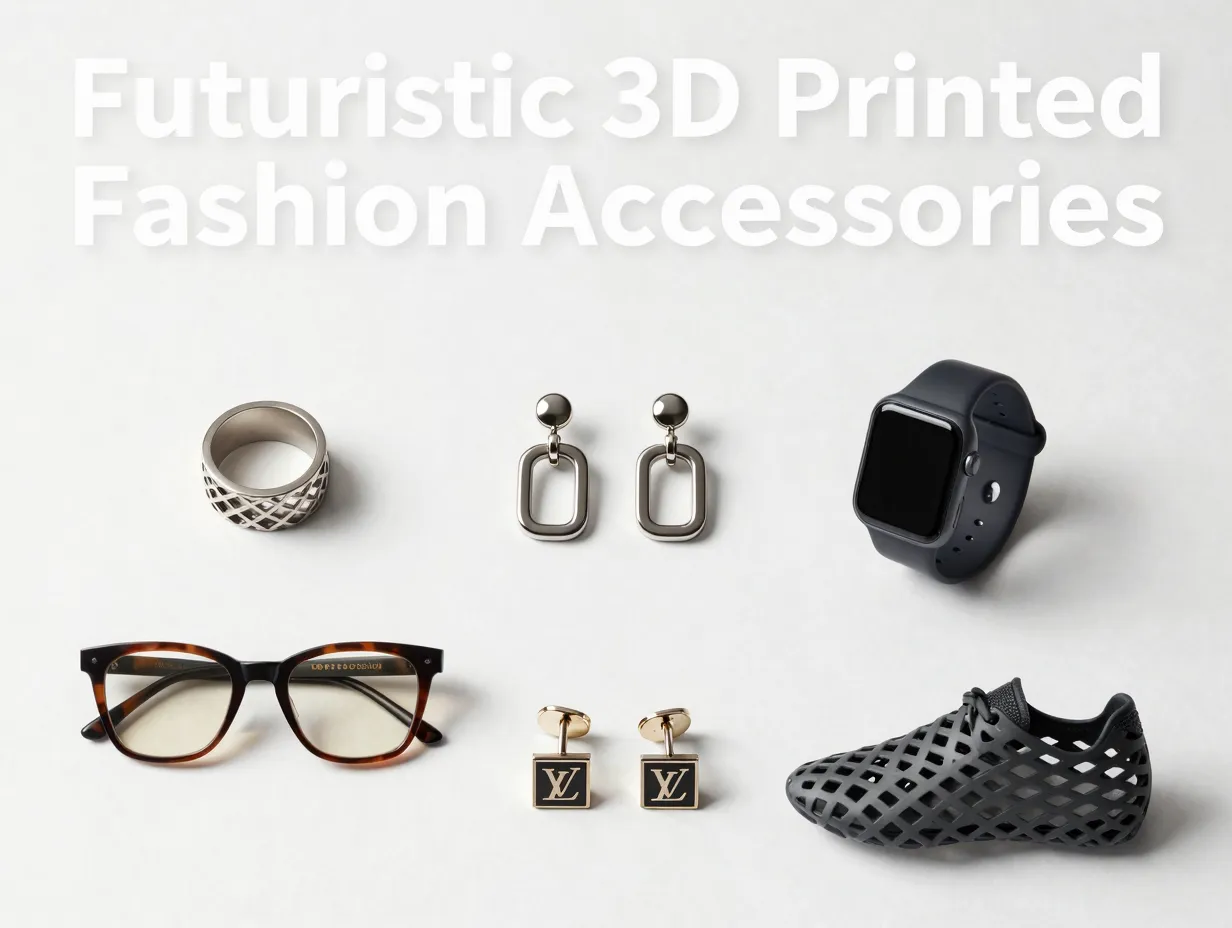
This shift matters for anyone who wants clothing and accessories that feel personal rather than mass-produced. The following guide breaks down 6 Futuristic 3D Printed Fashion Accessories To Personalize Your Style, explains why each one is gaining traction with designers and everyday shoppers alike, and shows how to start experimenting with the technology yourself. Whether the goal is a one-of-a-kind ring, a sculptural pair of glasses, or a monogrammed cufflink, additive manufacturing has made bespoke design more accessible than at any point in fashion history.
Key Takeaways
- The global 3D-printed jewelry market is projected to grow from roughly USD 0.98 billion to USD 2.03 billion by 2031, and some forecasts put the 2036 figure as high as USD 7.4 billion, driven largely by demand for customizable accessories[4][13].
- Rings remain the single most personalized 3D-printed accessory category, accounting for about 36% of total market demand[13].
- Independent designers find accessories more commercially practical than full garments because rigid, small-scale items exploit 3D printing’s geometric freedom without the durability and comfort issues that affect wearable fabric[7][12].
- AI-assisted design tools now let non-experts generate ready-to-print jewelry files, with recommended settings such as 25 to 50 micron layer heights for fine detail[10][15].
- A custom resin ring typically costs between USD 5 and USD 30 in material plus USD 2 to USD 10 in machine time, making bespoke pieces far more affordable than traditional custom jewelry[15].
Why 3D Printed Fashion Accessories Are Reshaping Personal Style in 2026
Fashion has always rewarded uniqueness, but traditional manufacturing made true customization expensive and slow. Additive manufacturing removes that friction. A designer can iterate on a bracelet cuff a dozen times in a single afternoon, something that would take weeks with cast metal or injection-molded plastic. This is the core reason analysts consistently list “fashionable, highly customizable accessories” as one of the primary engines driving growth in 3D-printed jewelry and accessories[2][8][13].
Market data backs up the enthusiasm. Depending on the research firm, the 3D-printed jewelry sector was valued around USD 0.98 billion to USD 1.8 billion in 2026, with long-range projections ranging from about USD 2.03 billion by 2031 to as much as USD 7.4 billion by 2036 at a compound annual growth rate near 15%[4][13]. A separate global market report frames the broader sector as expanding from USD 4.17 billion in 2025 to USD 4.89 billion in 2026 at a striking 17.3% CAGR[8]. The exact numbers vary by methodology, but the direction is unanimous: this is not a passing trend.
Independent designers and small brands are especially well positioned to benefit. A June 2026 industry overview notes that accessories, jewelry, rigid wearables, and small hardware components, are currently the most commercially viable category of 3D-printed fashion because they take advantage of complex geometry while avoiding the comfort and durability problems that still limit fully printed garments[12][7]. In other words, a printed necklace or eyewear frame is far easier to wear all day than a printed shirt.
“Accessories exploit the geometric freedom of 3D printing while avoiding the durability and comfort limitations of full garments.” This is why rings, earrings, eyewear, and hardware are leading the personalization wave rather than entire outfits[12][7].
6 Futuristic 3D Printed Fashion Accessories To Personalize Your Style
The accessories below represent the current frontier of wearable additive manufacturing. Each item on this list of 6 Futuristic 3D Printed Fashion Accessories To Personalize Your Style has moved beyond prototype status and into real consumer products, limited-edition drops, or accessible design platforms that anyone can use.
1. Lattice and Openwork Statement Rings
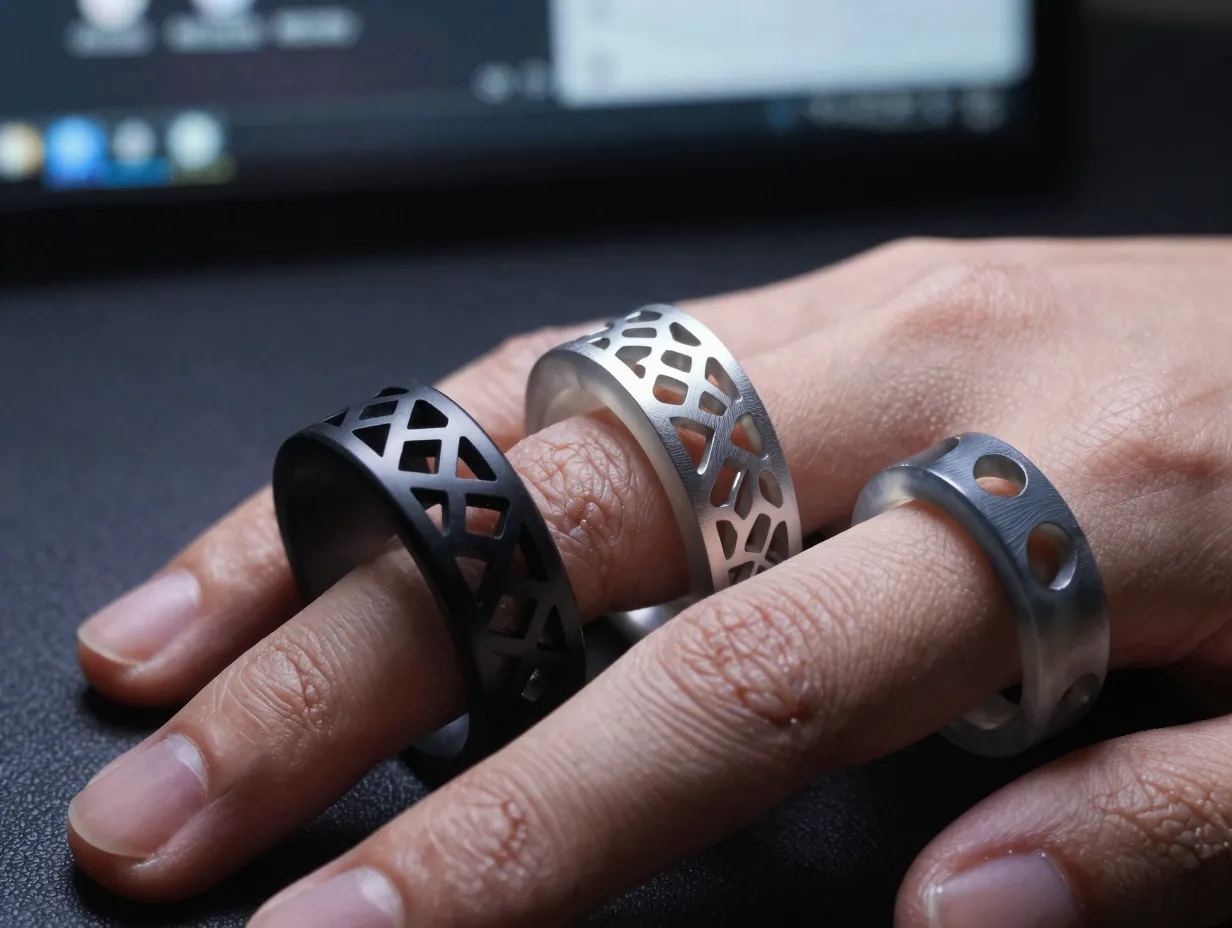
Rings dominate the 3D-printed jewelry category, representing about 36% of total market demand because engagement and fashion rings benefit enormously from rapid prototyping and individualized geometry[13]. Unlike a cast ring, which requires a mold for every design change, a printed ring can feature intricate lattice shells, organic branching patterns, or negative-space cutouts that would be nearly impossible to carve or cast affordably.
AI-assisted design catalogs now list detailed, print-ready options such as geometric ring bands and openwork cuffs, with recommendations for high-detail resins and layer heights between 25 and 50 microns to capture fine texture[10][15]. Cost-wise, a single customized ring in castable resin typically requires only USD 5 to USD 30 in material and roughly USD 2 to USD 10 in machine time, which keeps bespoke designs surprisingly affordable while still allowing premium pricing for branding, finishing, and craftsmanship[15].
Why it fits a futuristic style: Lattice rings look architectural rather than traditional, and because each file can be tweaked in software before printing, no two rings need to be identical, even within the same product line.
2. Modular Openwork Earrings and Bracelet Cuffs
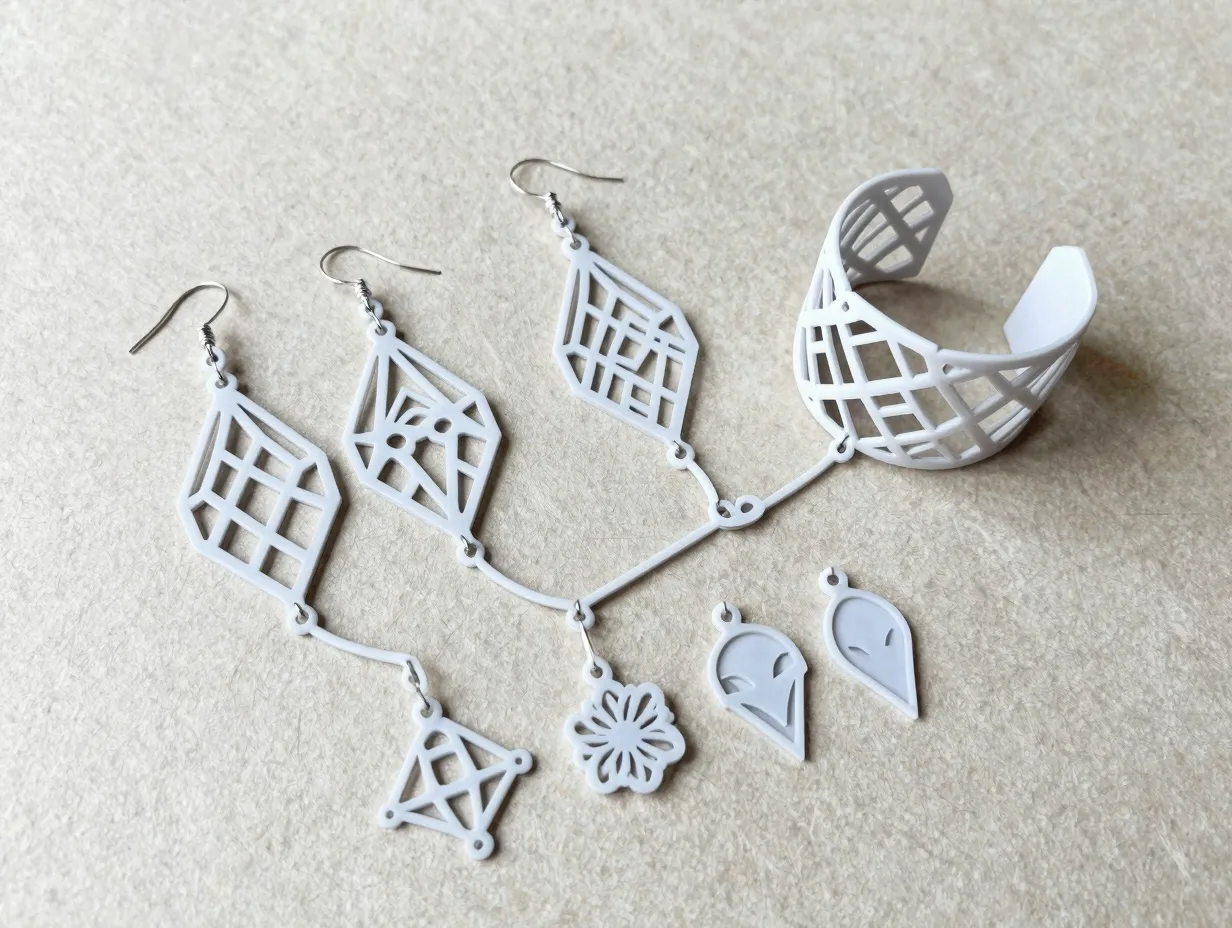
Earrings and bracelets are close behind rings in popularity, largely because openwork designs let printers show off their strength: producing thin, connected structures that would snap during casting but hold up fine when printed in a single continuous piece. AI-generated jewelry catalogs specifically highlight statement earrings and openwork bracelet cuffs as some of the most requested designs among users who want a distinctive look without commissioning a custom jeweler[10][15].
Modularity is the real innovation here. Many printed earring systems use small clip or peg connectors so a single base earring can accept interchangeable drops, geometric, floral, or “alien-inspired” cyber motifs, depending on the wearer’s mood. Designer label Yvmin, for example, has built entire jewelry collections around 3D-printed elements like flower beads and cyber-digital forms, demonstrating how additive manufacturing supports avant-garde aesthetics that traditional jewelry techniques struggle to replicate[6][12].
3. Smart-Adjacent 3D Printed Watch Bands
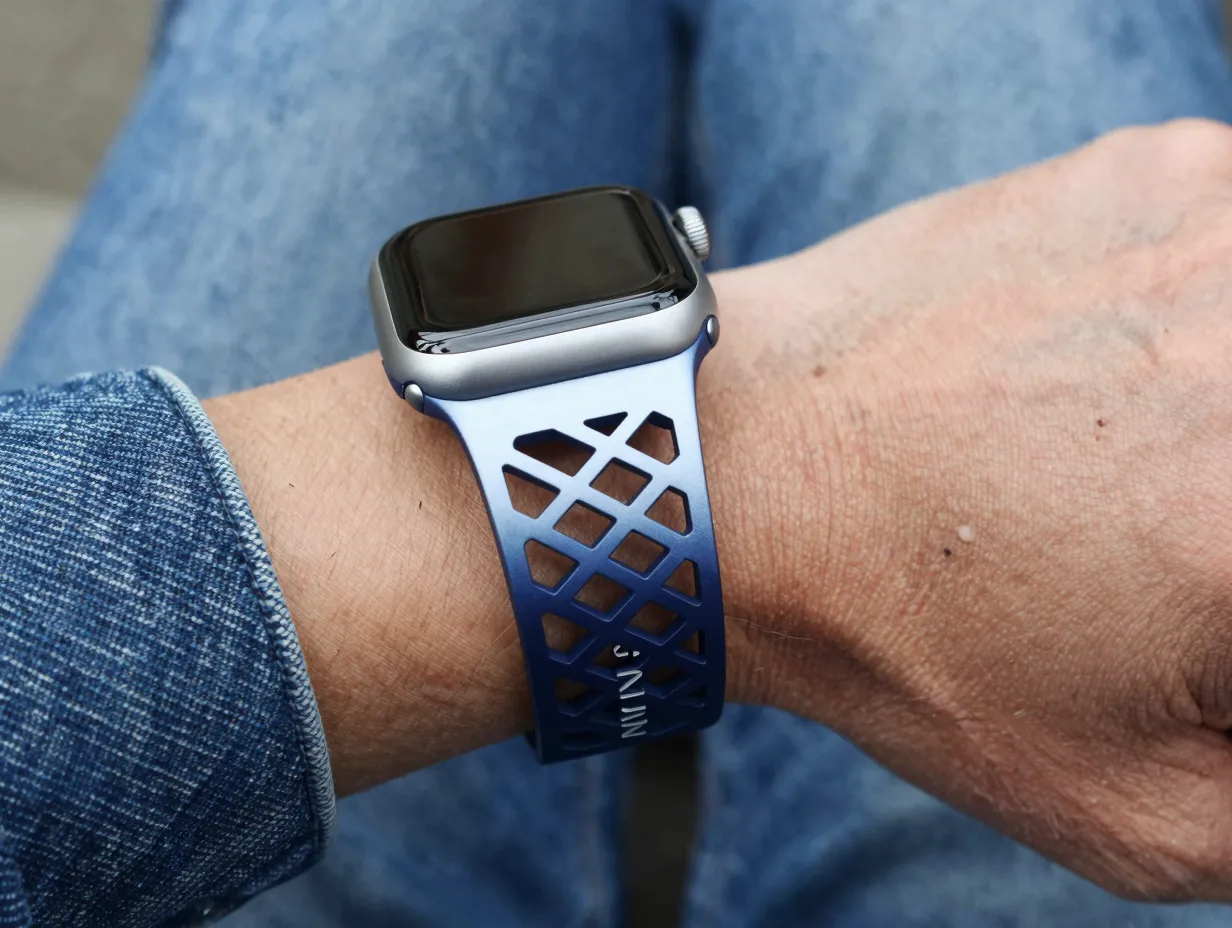
Wearable tech and fashion have been converging for years, and 3D printing is accelerating that merger. Stratasys’s 3DFashion “Styloop” project, showcased in 2025 and still referenced in 2026 industry coverage as a milestone, introduced fully 3D-printed Apple Watch bands built with multi-material polymer printers[7][12]. These bands are not just decorative shells; they demonstrate how flexible and rigid materials can be combined in a single print to create bands that feel closer to injection-molded quality while still supporting fully custom patterns, colors, and textures.
For everyday shoppers, this means watch bands are moving from a handful of stock colors to virtually unlimited personalization, a name embossed along the strap, a favorite pattern repeated in a lattice structure, or a color gradient that would be cost-prohibitive to dye traditionally.
4. Aerospace-Grade 3D Printed Eyewear
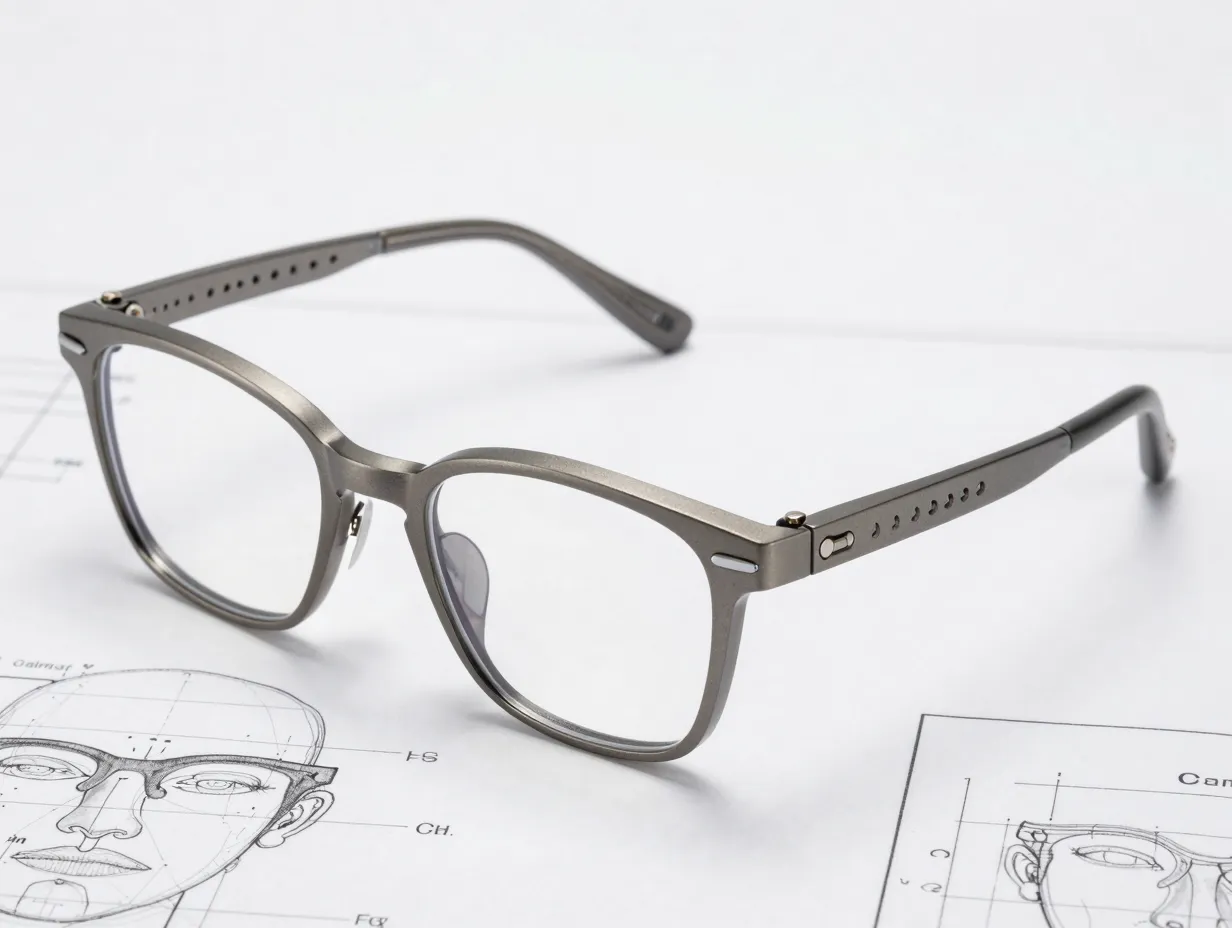
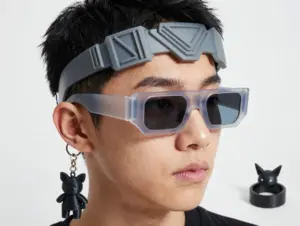
Eyewear is arguably the most technically impressive entry among these 6 Futuristic 3D Printed Fashion Accessories To Personalize Your Style. Additive One’s Scorpio eyewear line, highlighted in early September 2026 coverage, is engineered specifically for selective laser sintering (SLS), a powder-based printing process that builds complex geometries impossible to achieve through conventional cutting or injection molding[5][12]. The brand explicitly positions itself at the crossroads of aerospace-grade engineering and fashion, borrowing structural design principles from industries where weight and strength matter as much as appearance.
What makes SLS eyewear futuristic is not just the look, though the frames often feature intricate hinge mechanisms, perforated temples, and organic curves. It is the fact that each frame can be tuned to an individual’s face scan, producing a fit that off-the-shelf eyewear cannot match. As body-scanning apps become more common on smartphones, this kind of made-to-measure eyewear is likely to become far less exclusive.
5. Personalized Buttons, Buckles, and Cufflinks
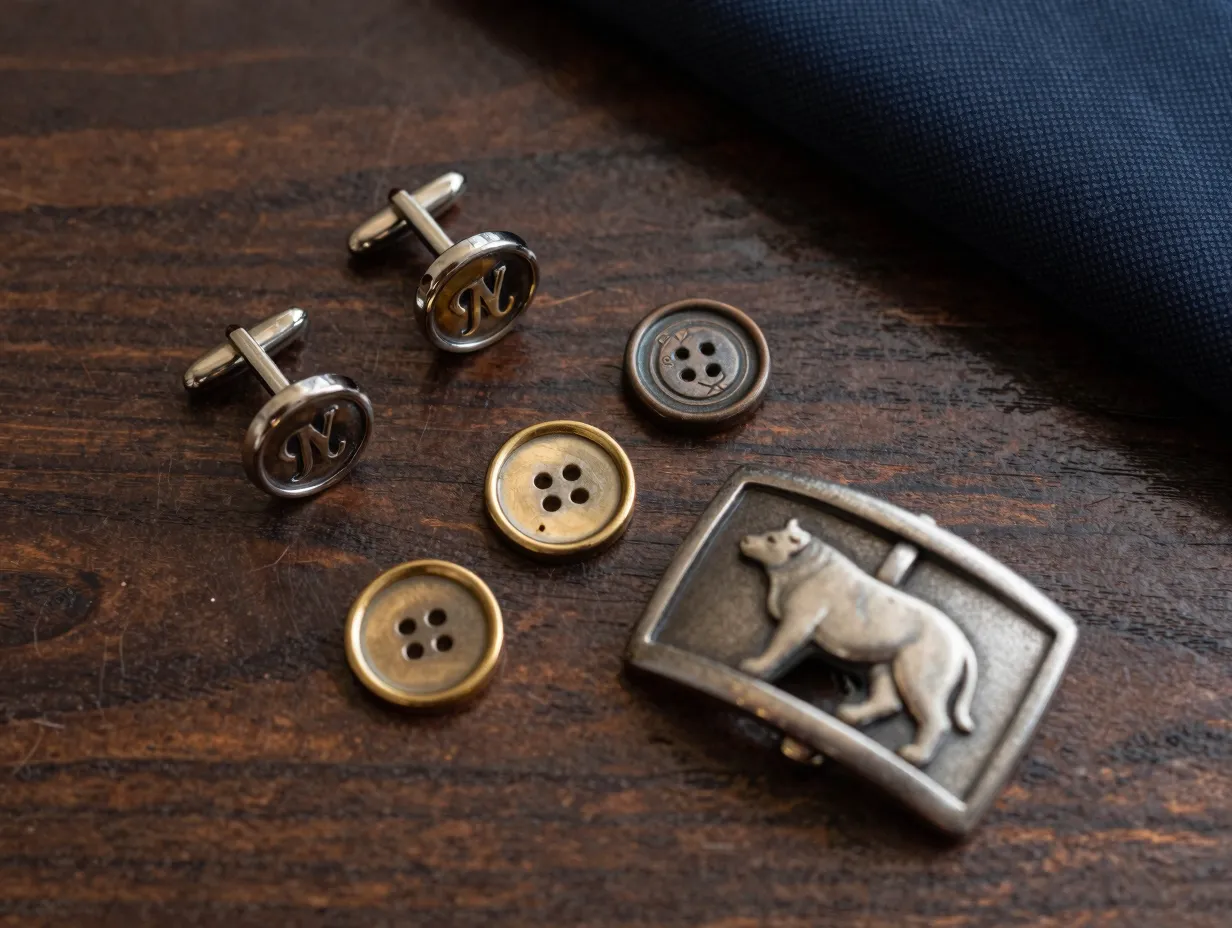
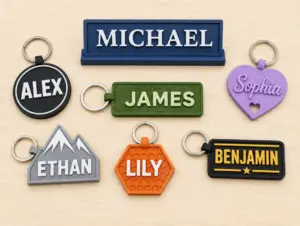
Not every futuristic accessory needs to be flashy. Some of the most practical personalization happens in the small hardware that holds an outfit together. A January 2026 guide to customizing clothes with 3D-printed accessories walks through how hobbyists and designers model and print personalized buttons, belt buckles, and cufflinks featuring initials, personal symbols, or unique patterns[3][12]. The process typically involves designing the piece digitally, printing it in a durable filament or resin, then finishing it through sanding, priming, painting, and a clear varnish coat to achieve a professional, everyday-ready result.
This category is especially appealing for people who want a subtle signature rather than a bold statement. A monogrammed cufflink or a belt buckle shaped like a personal emblem communicates individuality without shouting for attention, and because the base design file can be reused, updating the pattern for a new event costs almost nothing beyond material and print time.
6. AI-Tuned Lattice Sneaker Accessories
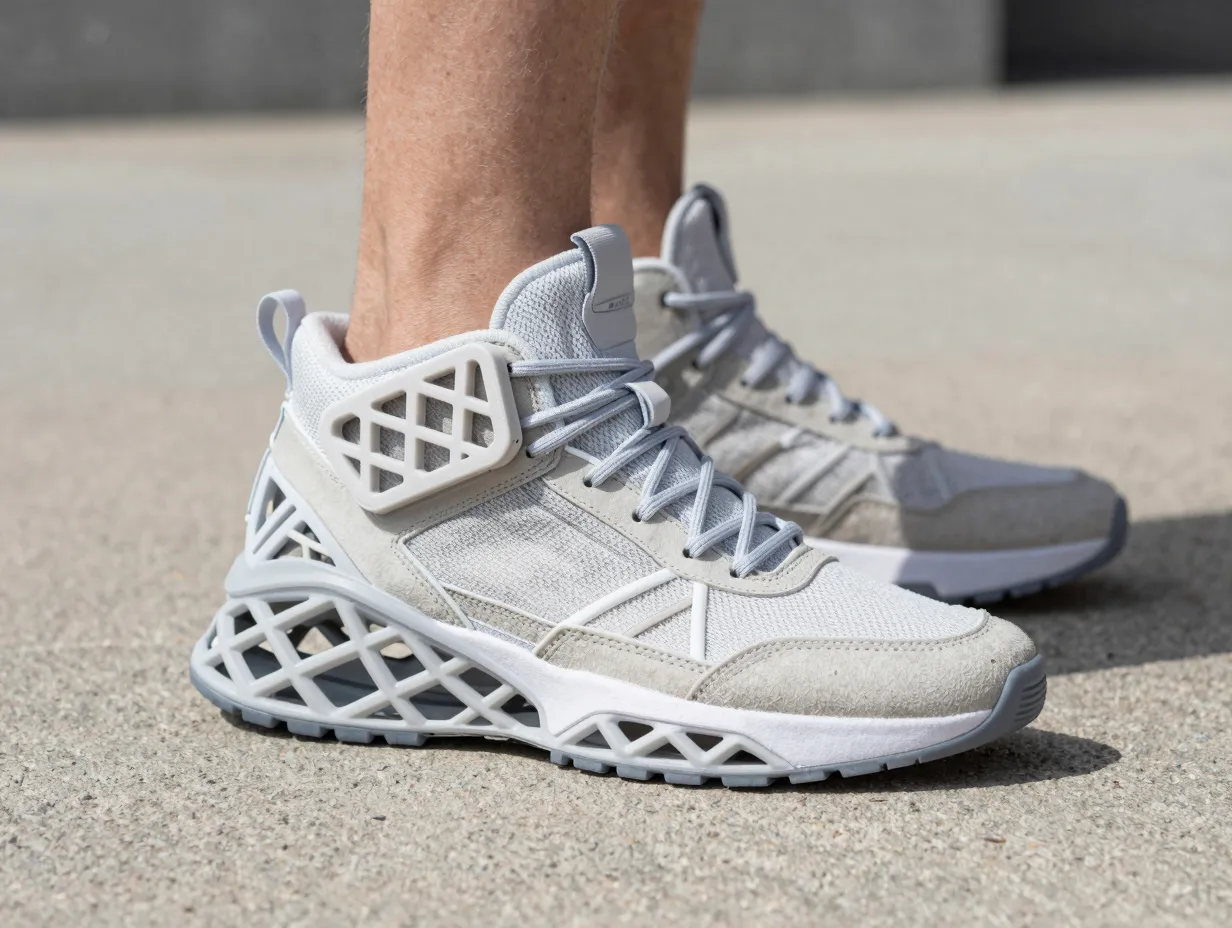
Footwear-linked accessories round out this list, and they are arguably the most data-driven entry. Recent updates from brands like Adidas describe AI-tuned lattice midsoles that use body-scan data to generate personalized midsole geometries for limited-edition shoes[7]. While a midsole is technically part of the shoe rather than a separate accessory, the same lattice-printing approach has spread into detachable overlays, heel tabs, lace hardware, and streetwear-oriented sneaker charms that let wearers swap components to change the look of a single shoe.
This blends performance engineering with personal styling in a way that few other categories manage. A runner’s midsole can be tuned to their specific gait and body weight, while a sneaker collector can attach interchangeable printed hardware to signal a favorite colorway or collaboration without buying an entirely new pair of shoes.
Quick Comparison of the 6 Accessories
| Accessory | Key Material or Process | Best For |
|---|---|---|
| 1. Lattice statement rings | Castable resin, SLA/DLP printing | Bold, architectural personal statements |
| 2. Modular openwork earrings/cuffs | Resin or nylon, SLA/SLS | Interchangeable, mood-based styling |
| 3. Smart watch bands | Multi-material polymer printing | Merging tech wearables with fashion |
| 4. Aerospace-grade eyewear | SLS powder printing | Precision fit and structural design |
| 5. Personalized buttons/cufflinks | FDM or resin plus hand finishing | Subtle, everyday personalization |
| 6. Lattice sneaker accessories | AI-tuned lattice, powder or polymer | Performance and streetwear customization |
How to Personalize Your Style With 3D Printed Accessories
Getting started does not require owning an industrial printer. Here is a practical path for turning interest into a wearable result.
- Pick a design platform. Sites offering AI-generated, print-ready jewelry catalogs list detailed models such as statement earrings, geometric bands, and bracelet cuffs, complete with recommended resins and layer heights, making them a strong starting point for beginners[10][15].
- Choose the right material for the accessory type. Castable resin works well for rings and fine jewelry, while more flexible or tough polymers suit watch bands, buttons, and buckles that need to withstand daily wear[7][15].
- Print at a fine layer height for detail work. Jewelry-focused guides recommend layer heights around 25 to 50 microns for crisp, professional detail on small or textured pieces[10][15].
- Finish the piece properly. For hardware like buttons and cufflinks, sanding, priming, painting, and a clear varnish coat make the difference between a rough prototype and something suitable for everyday wear or a special event[3][12].
- Start small and scale up. A single custom ring can be produced for roughly USD 7 to USD 40 in combined material and machine time, which makes it a low-risk way to test a design before investing in a larger piece like eyewear or a watch band[15].
Because these projects rely on affordable local printing or print-on-demand services, most people can test two or three design variations before settling on a final piece, something that would be financially impractical with a traditional jeweler or eyewear boutique.
Frequently Asked Questions About 3D Printed Fashion Accessories
Are 3D printed fashion accessories durable enough for daily wear?
It depends on the material and category. Rigid, small items such as rings, cufflinks, buttons, and eyewear frames hold up well because their geometry and finishing process are optimized for durability, which is part of why analysts consider accessories more commercially viable than full 3D-printed garments right now[7][12].
How much does a personalized 3D printed accessory typically cost?
For jewelry specifically, a single customized ring in castable resin usually costs about USD 5 to USD 30 in material plus USD 2 to USD 10 in machine time, though pricing varies with size, complexity, and finishing[15].
Do I need design skills to create a custom piece?
Not necessarily. AI-assisted catalogs now provide ready-to-print files for earrings, rings, and bracelet cuffs, along with suggested print settings, which lowers the barrier for people without CAD experience[10][15].
Which accessory category is growing the fastest?
Rings continue to lead demand, representing roughly 36% of the 3D-printed jewelry market due to high customization frequency for both engagement and fashion pieces[13]. Eyewear and smart-adjacent accessories like watch bands are also expanding quickly as brands like Additive One and Stratasys push more products to market[5][7][12].
Is 3D printed jewelry considered a legitimate long-term fashion trend or a passing novelty?
Multiple independent market forecasts point to sustained, long-term growth, with projections ranging from about USD 2.03 billion by 2031 to USD 4.066 billion by 2034 and as high as USD 7.4 billion by 2036, tied to continued advances in flexible and multi-material printing plus expanding mass-customization platforms[4][11][13].
Conclusion
The 6 Futuristic 3D Printed Fashion Accessories To Personalize Your Style covered here, lattice statement rings, modular openwork earrings and cuffs, smart-adjacent watch bands, aerospace-grade eyewear, personalized hardware like buttons and cufflinks, and AI-tuned sneaker accessories, represent a fashion category that has moved well past experimental novelty. Backed by a market projected to reach billions of dollars over the next decade, these accessories now offer a rare combination: technical sophistication, individualized design, and genuinely affordable entry points for anyone willing to explore a design platform or local print service[4][8][13].
The next step is simple. Pick one category that matches personal style goals, whether that is a subtle monogrammed cufflink or a bold lattice ring, browse an AI-assisted design catalog for a starting file, and order a single test print before committing to a full collection. Given the low material costs involved, there is little reason to wait for “someday” to build a wardrobe of accessories that could not have existed on anyone else’s body a decade ago.
References
[1] Fashionable 3dprinted – https://www.trendhunter.com/slideshow/fashionable-3dprinted
[2] Tbrc1929818 3d Printed Jewelry Global Market Report – https://www.gii.co.jp/report/tbrc1929818-3d-printed-jewelry-global-market-report.html
[3] Customizing Clothes With 3d Printed Accessories – https://foro3d.com/en/2026/january/customizing-clothes-with-3d-printed-accessories.html
[4] 3d Printed Jewely Market – https://www.mordorintelligence.com/industry-reports/3d-printed-jewely-market
[5] From Aviation And Space To Eyewear Additive One Transforms 3d Printing Into Fashion – https://www.voxelmatters.com/from-aviation-and-space-to-eyewear-additive-one-transforms-3d-printing-into-fashion/
[6] Five 3d Printed Fashion Accessory Designer Brands You Must Know – https://facfox.com/docs/kb/five-3d-printed-fashion-accessory-designer-brands-you-must-know
[7] 3d Printing In Fashion – https://www.fashionnovation.com/3d-printing-in-fashion/
[8] 3d Printed Jewelry Global Market Report – https://www.thebusinessresearchcompany.com/report/3d-printed-jewelry-global-market-report
[9] Shapeways Spring Wonder260620184 – https://www.3dnatives.com/en/shapeways-spring-wonder260620184/
[10] Jewelry – https://www.automatic3d.com/for/jewelry