6 Mobile Photography Ideas at Home to Beat Boredom
Over 1.4 trillion photos are taken on smartphones every year, yet most people run out of creative ideas within the first hour of staying home. The good news is that a modern smartphone camera, a few household props, and the right techniques can turn any living room into a professional-grade studio. The 6 mobile photography ideas at home to beat boredom covered in this guide are not random suggestions; they represent the six dominant creative categories that photography experts and smartphone guides consistently recommend as the most effective, accessible, and rewarding projects for anyone stuck indoors [3][6].
Disclosure: This post contains affiliate links. As an Amazon Associate, we earn from qualifying purchases, and at no extra cost to you.
Whether the goal is to sharpen technical skills, create shareable social content, or simply pass the time productively, these ideas work for beginners and experienced hobbyists alike. Modern smartphones now come equipped with portrait modes, manual controls, night modes, and long-exposure features, making it easier than ever to achieve results that look genuinely professional without expensive gear [4][14].
Key Takeaways
- Light painting and shadow play are among the most visually dramatic techniques achievable with just a phone and a dark room
- Reflection photography using mirrors, windows, or everyday objects creates surreal, high-impact images with zero cost
- DIY portrait setups using window light, fairy lights, and household props rival studio-quality results
- Macro and abstract experiments with water, ink, and household textures unlock a completely different visual language
- Motion photography and structured photo projects add challenge and progression to at-home creative practice
1. Light Painting and Long-Exposure Magic
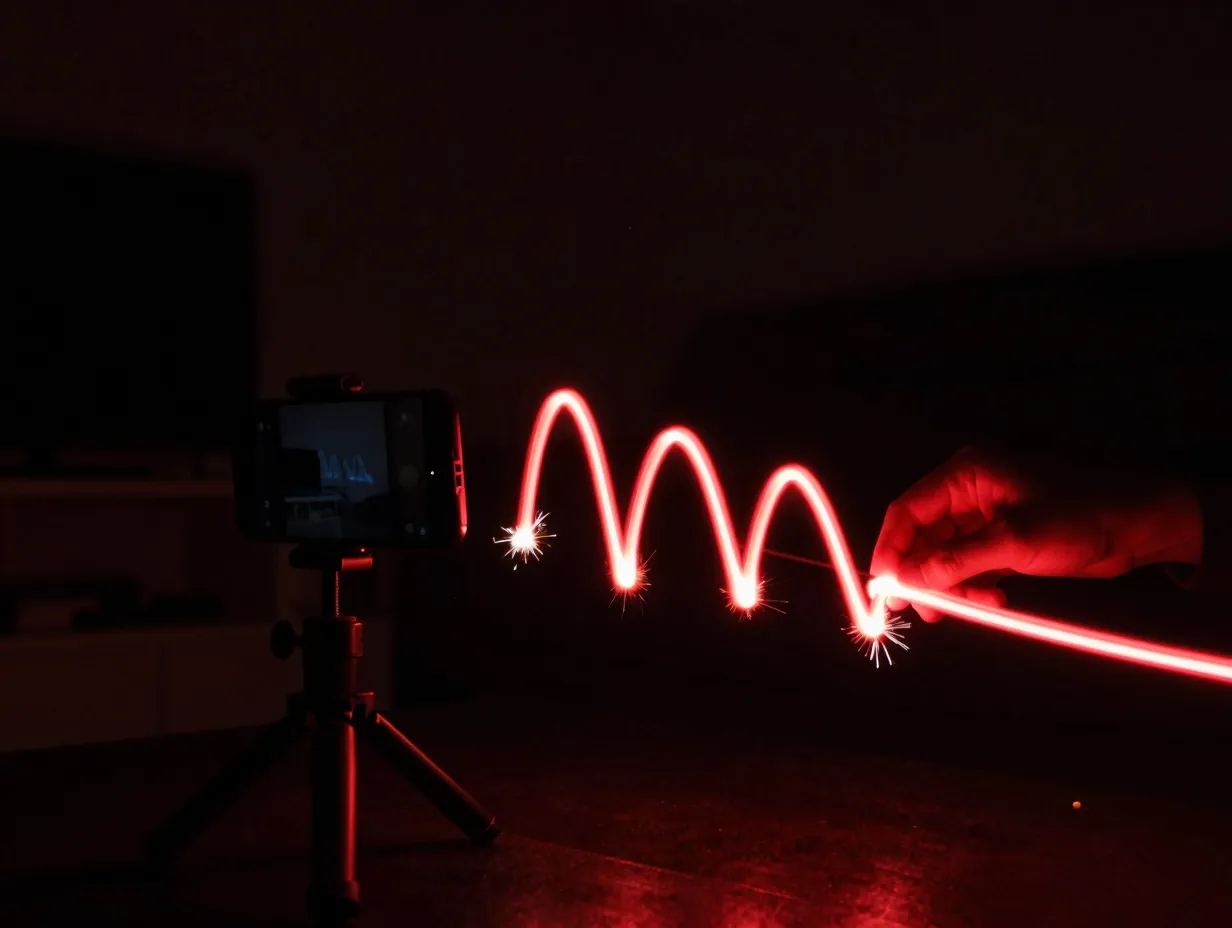
Few techniques produce more jaw-dropping results from a home setup than light painting. The concept is simple: in a completely dark room, a long camera exposure captures the trail of a moving light source, turning ordinary movement into glowing, colorful art [14].
How to set it up:
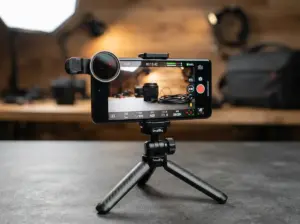
To get started, switch the smartphone camera to manual mode or “Expert” mode. Set the shutter speed between 3 and 8 seconds. Place the phone on a tripod or prop it against a stable surface so it does not move during the exposure. Turn off all the lights in the room, then use a handheld torch, a sparkler, or even another phone screen as the “brush” [14].
During the exposure, move the light source in patterns, letters, spirals, waves, or abstract shapes. The camera records every path the light takes, creating streaks of color frozen in the final image. Switching between different colored light sources mid-exposure adds depth and variety.
Quick tips for better results:
- Use a 2-second timer delay so any camera shake from pressing the shutter button does not blur the image
- Wear dark clothing so the body does not appear in the frame during long exposures
- Experiment with writing words in reverse so they read correctly in the final photo
- Try using a phone screen set to different solid colors as the light source for softer, broader strokes
This technique works best on smartphones with dedicated manual or pro camera modes, which are now standard on most mid-range and flagship devices [4]. Even without manual mode, several free apps allow full shutter speed control.
2. Shadow and Silhouette Storytelling
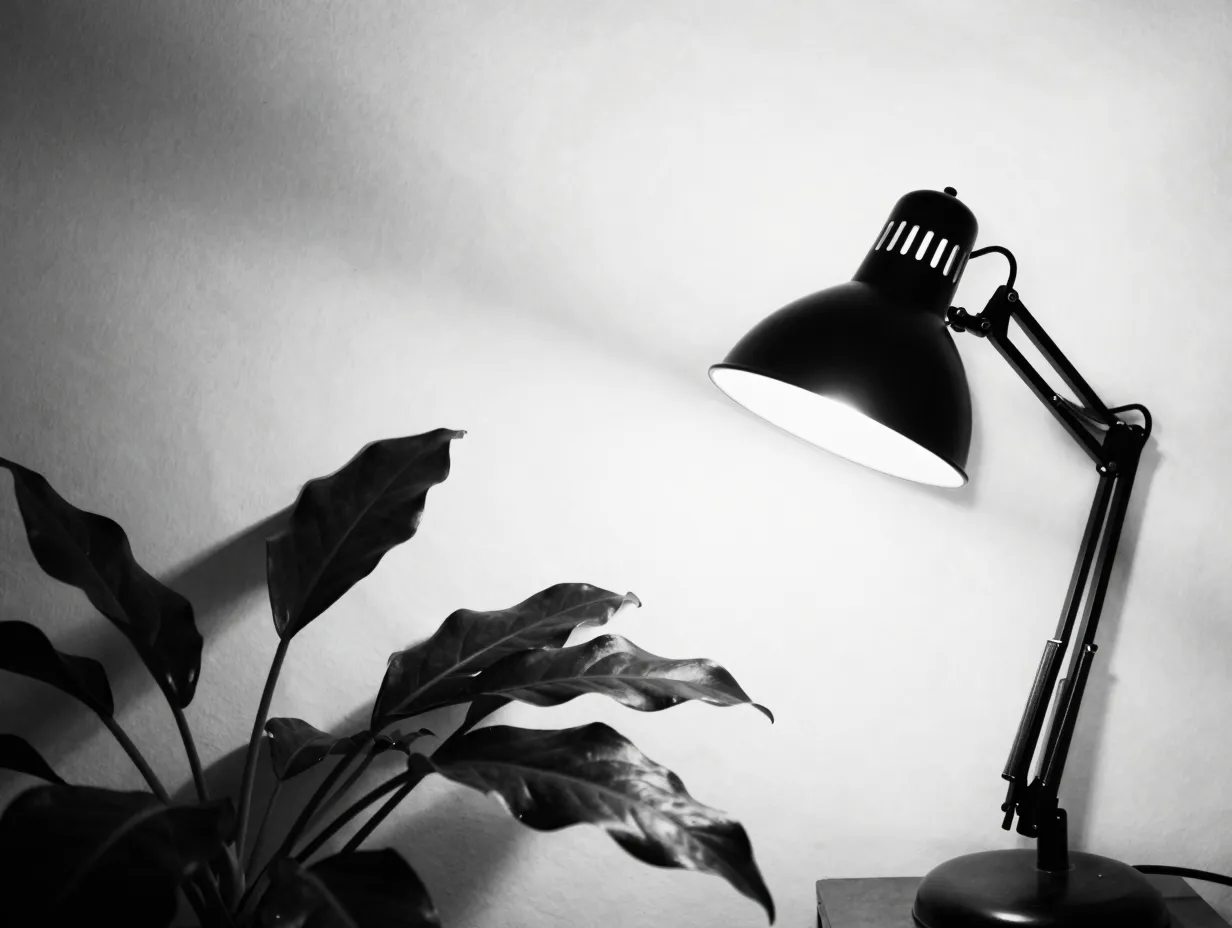
Shadows are one of the most underused creative tools in home photography. A strong directional light source, a desk lamp, a torch, or even direct sunlight through a window, cast against a plain white or light-colored wall creates striking visual compositions that require no editing skills [10][13].
The basic setup:
Position a lamp or torch close to an object or person at an angle. The closer and more direct the light, the sharper and more dramatic the shadow. Point the smartphone camera at the wall rather than the light source, framing the shadow as the main subject. This approach allows the photographer to tell visual stories entirely through shape and form [10].
Objects that work particularly well include:
- Houseplants with interesting leaf shapes
- Hands forming animal or figure shapes
- Everyday items like keys, scissors, or combs
- Stacked books or geometric household objects
Silhouette photography is a related technique. Instead of shooting the shadow on the wall, position a subject between the camera and a bright window or backlit surface. The subject becomes a dark shape against a bright background. This works especially well for portraits, pet photography, and still-life arrangements [9].
“The most powerful silhouettes are those where the outline alone tells the entire story, no detail needed.”
A practical variation is to layer multiple objects at different distances from the light source, creating overlapping shadow patterns with varying sharpness. This adds complexity and texture to what might otherwise be a simple image [6].
3. Reflection Photography With Everyday Objects
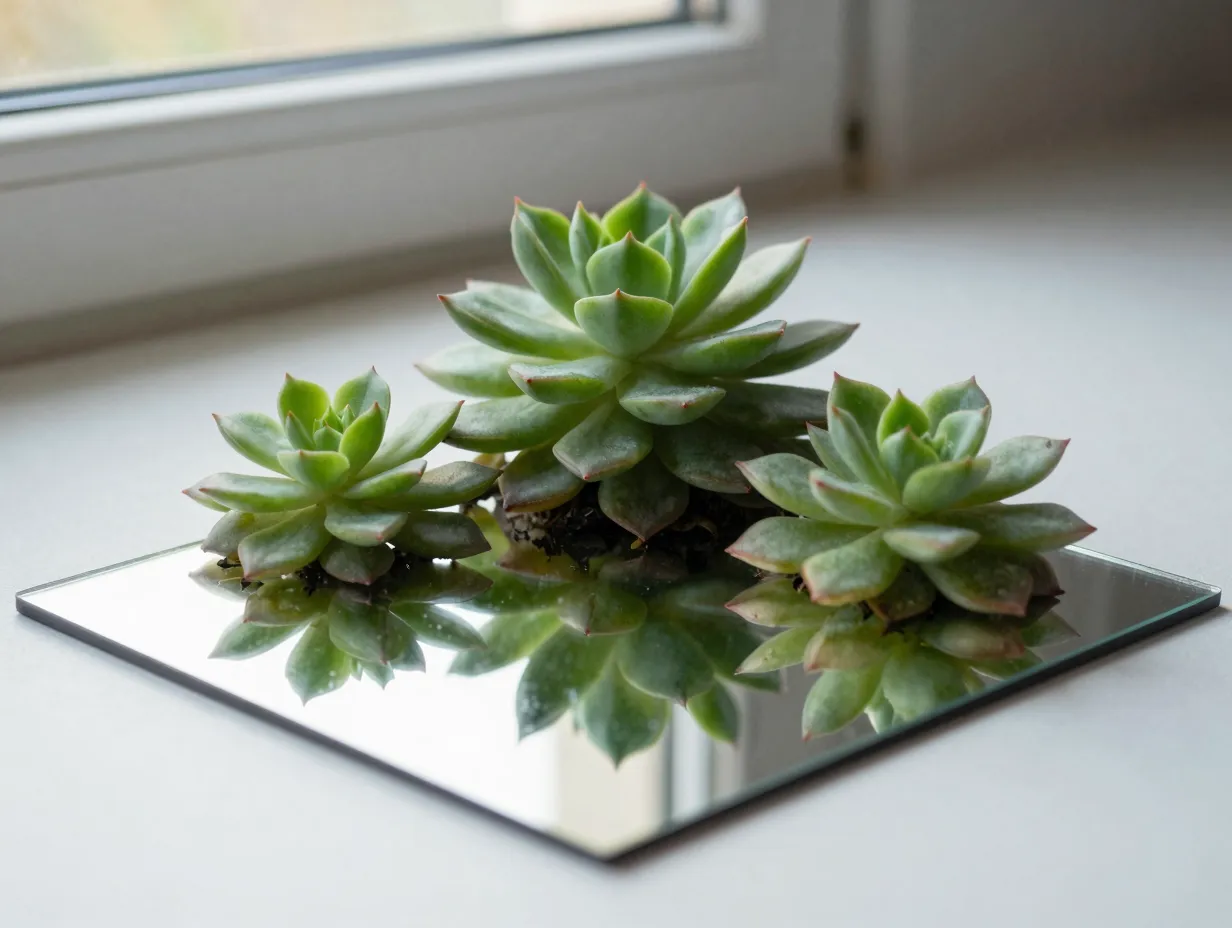
Reflection photography is one of the highest-impact techniques in the 6 mobile photography ideas at home to beat boredom toolkit, and it requires nothing more than a mirror, a window, or a shiny spoon [9][14].
Common reflective surfaces to use at home:
| Reflective Surface | Effect Produced | Best For |
|---|---|---|
| Flat mirror | Clean, symmetrical double image | Portraits, architecture |
| Window glass | Ghost-like double exposure overlay | Moody, layered compositions |
| Spoon or curved metal | Distorted, fisheye-like warp | Abstract, surreal images |
| Water surface in a bowl | Rippled, painterly reflection | Still life, nature subjects |
| Phone screen (turned on) | Colored light reflection overlay | Creative light effects |
One particularly effective technique is to place a mirror flat on a surface and position a small object on its edge. Shooting from a low angle makes the reflection appear as a seamless extension of the real object, creating the illusion of a perfect symmetrical world [15].
For faux double-exposure effects, stand near a window at night with a lit interior. The glass reflects the inside of the room while still showing the outside view. Positioning the camera carefully captures both layers simultaneously, producing a layered, dreamlike composition without any editing [14].
Shooting through a reflective surface rather than at it adds another dimension. Holding a compact mirror at an angle in front of the lens and shooting through it warps the scene in ways that no filter can replicate [9].
4. DIY Portrait and Self-Portrait Studio

Portrait photography does not require a studio, a professional lighting rig, or a second person. With the right setup, a smartphone and a few household items produce results that rival professional headshots [6][9].
Building a home portrait setup:
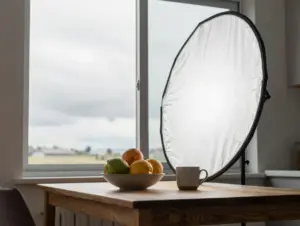
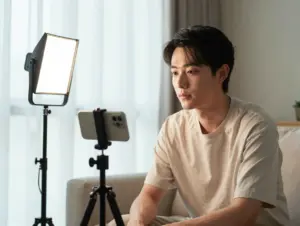
Window light is the single most powerful free tool available. Positioning a subject at a 45-degree angle to a large window creates natural, directional lighting with soft shadows, the same effect professional photographers achieve with expensive softboxes. Overcast days are ideal because clouds act as a giant natural diffuser [9].
Fairy lights draped in the background at a distance create a bokeh effect, soft, out-of-focus circles of light, that adds depth and warmth to any portrait. Most smartphone portrait modes enhance this effect further by blurring the background while keeping the subject sharp [6][14].
Fog and texture effects can be added using a household humidifier placed just out of frame. The mist drifts into the scene naturally, adding an atmospheric, cinematic quality to portraits. Alternatively, shooting through a piece of cling film, a glass smeared lightly with petroleum jelly, or a sheer fabric creates a dreamy, soft-focus texture that looks intentional and artistic [14].
Self-portrait tips:
- Use the phone’s self-timer (set to 10 seconds) or a Bluetooth remote shutter to avoid the awkward reach-and-press
- Set the camera to continuous burst mode during the timer countdown to capture a range of natural expressions
- Place the phone on a tripod or stack of books at eye level, shooting from below creates unflattering distortion
- Use the front-facing camera’s portrait mode, which now performs reliably on most current flagship devices [3]
This category of at-home photography is one of the most searched and shared, and for good reason: it produces immediately usable, high-quality images that are genuinely personal [1][7].
5. Macro and Abstract Experiments
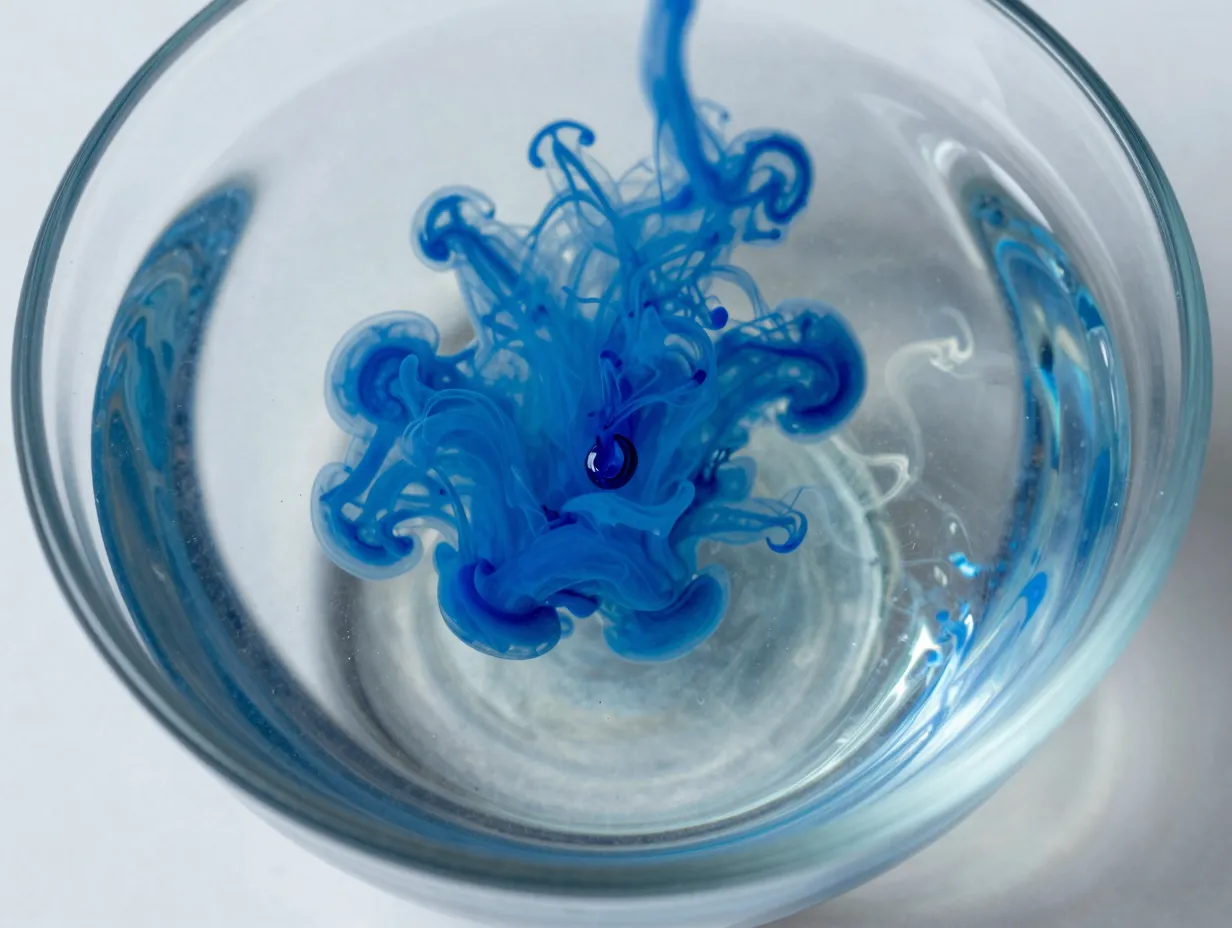
This is where the 6 mobile photography ideas at home to beat boredom list gets truly experimental. Macro and abstract photography transforms the mundane into the extraordinary by focusing on texture, color, and pattern at a scale the naked eye rarely notices [6][10].
Water and ink experiments:
Fill a clear glass bowl or container with water and place it on a white surface near a window. Add a single drop of food coloring or ink and photograph the cloud-like diffusion from directly above or at a side angle. The results often resemble satellite images of weather systems or abstract paintings. Shooting in burst mode captures the full spread of the drop from the moment it hits the water [6][8].
Adding a few drops of cooking oil to the water before the ink creates layered, cellular patterns that resemble biological specimens under a microscope. Backlighting the bowl with a phone screen or a torch placed underneath intensifies the colors dramatically [10].
Ice and botanical photography:
Freeze flowers, leaves, or small plants in a block of ice by filling a container with water, submerging the plant material, and leaving it overnight. The next day, remove the ice block and photograph it on a dark surface near a window. The ice magnifies and distorts the plant material inside, creating a natural macro lens effect [6].
Bokeh and light pattern photography:
Cut a small shape, a star, heart, or geometric form, out of black cardboard and hold it in front of the phone’s lens while photographing a string of lights in the background. The out-of-focus light sources take on the shape of the cutout, filling the image with custom bokeh patterns [10].
Kaleidoscope and lens attachments:
Inexpensive clip-on macro lenses and kaleidoscope attachments are available for most smartphones and cost very little. These tools warp, multiply, and magnify scenes in ways that the built-in camera cannot replicate, opening up an entirely new range of abstract compositions [6].
6. Motion Photography and Structured Photo Projects
The final category in these 6 mobile photography ideas at home to beat boredom covers two related approaches that add challenge, structure, and a sense of progression to at-home photography practice [2][3].
Motion photography indoors:
Capturing motion with a smartphone is more accessible than most people realize. Burst mode, available on virtually every modern smartphone, fires multiple frames per second, making it possible to freeze fast-moving subjects or choose the perfect moment from a sequence [8][11].
Effective indoor motion subjects:
- Toss a small, lightweight object, a scarf, a handful of glitter, a toy, into the air and shoot in burst mode. The resulting sequence includes frames where the object is perfectly suspended mid-air.
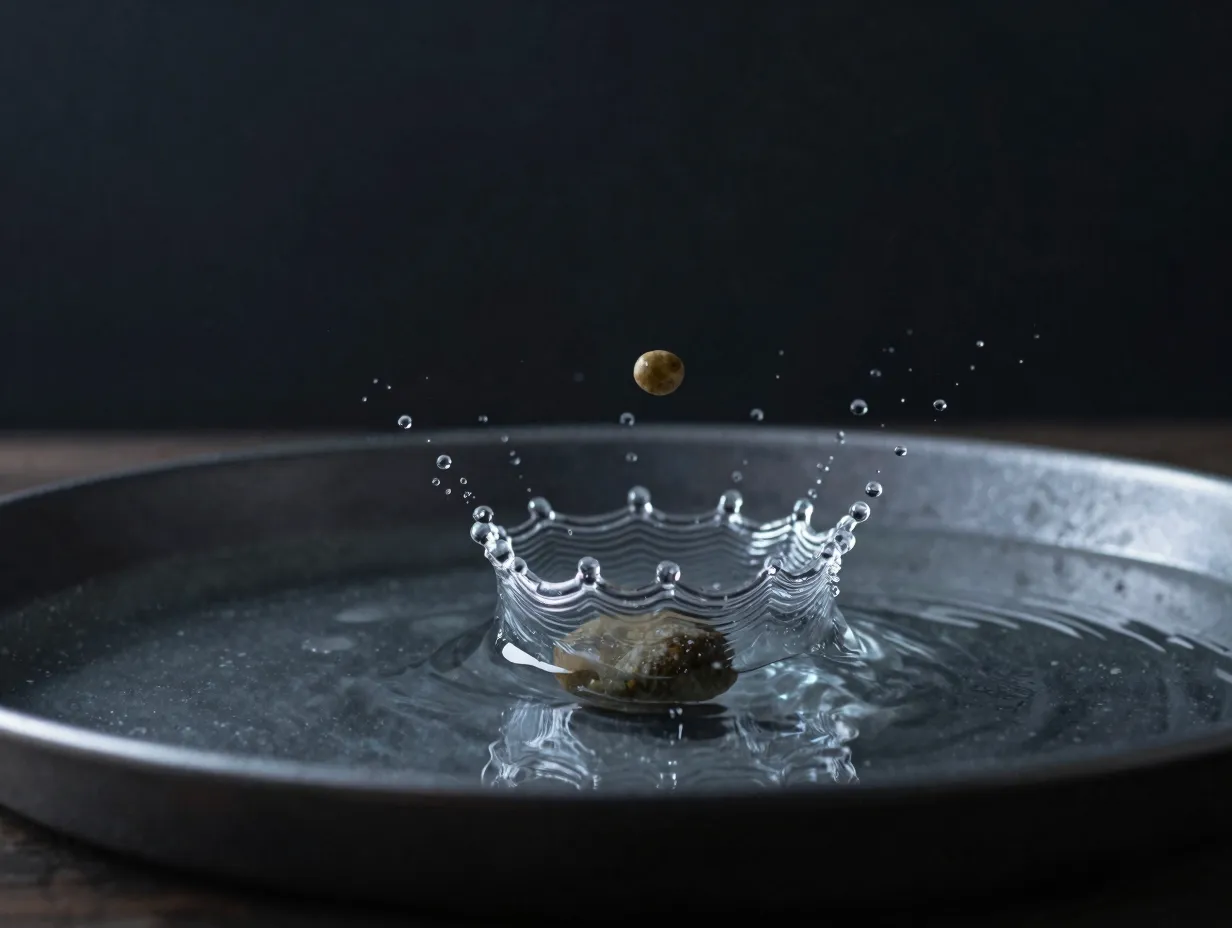
- Fill a dark tray with water and drop in a small object from a height. Burst mode captures the splash at peak impact, revealing water crown shapes invisible to the naked eye [8].
- Pour a liquid, milk, juice, or colored water, from a height into a bowl and shoot the pour from the side. Slowing down the playback of burst images reveals the exact moment the stream hits the surface.
- Photograph pets or children in motion using burst mode, then select the single sharpest frame from the sequence.
Structured photo projects:
Random shooting builds skills slowly. Structured projects build them fast. Several photography educators recommend project-based challenges as the most effective way to stay motivated and improve consistently [2][3].
Popular structured project formats:
- Alphabet hunt: Find and photograph one subject for each letter of the alphabet, using only objects found at home. This forces creative problem-solving and careful observation.
- Day-by-day themed series: Assign a theme to each day, textures, colors, shadows, food, hands, and shoot only within that theme for the entire day [2].
- Window view series: Photograph the same window view at different times of day and in different weather conditions over a week. The resulting series documents how light transforms a single scene.
- Still-life arrangements: Gather a collection of everyday objects, cutlery, fruit, stationery, and arrange them in different compositions, experimenting with lighting angles and backgrounds [15].
- 30-day challenge: Commit to one photograph per day for 30 days, following a pre-set prompt list. This builds consistency, which is the single most reliable predictor of skill improvement [3].
“A structured project turns aimless shooting into deliberate practice, and deliberate practice is what separates good photographers from great ones.”
The value of structured projects extends beyond skill-building. They produce a cohesive body of work that can be shared as a series, printed as a photobook, or used as a portfolio. This transforms a boredom-busting activity into something with lasting creative value [2][3].
Conclusion
The 6 mobile photography ideas at home to beat boredom, light painting, shadow storytelling, reflection photography, DIY portraits, macro and abstract experiments, and motion and structured projects, cover the full spectrum of what a modern smartphone camera can achieve indoors. None of these ideas require expensive equipment, professional experience, or a large space.
Actionable next steps to get started today:
- Pick one idea from this list that feels most immediately achievable and try it within the next hour
- Set up a dedicated shooting space, even a cleared kitchen table or a corner near a window works well
- Download a free manual camera app if the phone’s native camera does not offer shutter speed or ISO control
- Commit to a 7-day themed project to build consistency and produce a shareable series
- Review the results critically after each session: note what worked, what did not, and what to try differently next time
The most important step is simply to start. Every one of these techniques improves with repetition, and the gap between a first attempt and a compelling result is almost always shorter than expected.
References
[1] Watch – https://www.youtube.com/watch?v=5o9yPoLOpa8
[2] 5 Photo Projects You Can Try At Home With Your Phone If You Are Bored During The Lockdown – https://edtimes.in/5-photo-projects-you-can-try-at-home-with-your-phone-if-you-are-bored-during-the-lockdown/
[3] Beat Boredom With These Fun Photo Ideas For Iphone And Ipad – https://www.macworld.com/article/225181/beat-boredom-with-these-fun-photo-ideas-for-iphone-and-ipad.html
[4] Phone Photography Ideas – https://digital-photography-school.com/phone-photography-ideas/
[5] 5 Stay Home Mobile Phone Photography Ideas You Can Try Today 493987 – https://fstoppers.com/hacks/5-stay-home-mobile-phone-photography-ideas-you-can-try-today-493987
[6] Stuck At Home Inspirational Smartphone Photography Projects – https://smartphone-photography.com/stuck-at-home-inspirational-smartphone-photography-projects/
[7] Watch – https://www.youtube.com/watch?v=hxf9kzWHj0c
[8] Turn Your Phone Into A Masterpiece Simple Photography Ideas At Home – https://thei2studio.com/turn-your-phone-into-a-masterpiece-simple-photography-ideas-at-home/
[9] Photo Ideas At Home – https://www.snappysnaps.co.uk/blog/photo-ideas-at-home
[10] 8 Fun Creative Smartphone Photography Tips You Can Easily Try At Home 31887 – https://www.ephotozine.com/article/8-fun—creative-smartphone-photography-tips-you-can-easily-try-at-home-31887