6 Functional 3D Printing Ideas To Make Your Home Smarter
A $200 desktop 3D printer can now produce hardware that used to require a $60 proprietary smart home accessory. That is not a marketing claim, it is the practical reality maker communities are proving every week in 2026, as enthusiasts share printable brackets, sensor holders, and control panels that rival store-bought gear at a fraction of the cost. This shift is exactly why so many homeowners are searching for 6 Functional 3D Printing Ideas To Make Your Home Smarter, and the answer lies less in buying new gadgets and more in printing smarter housings for the gadgets already sitting in a drawer.
Disclosure: This post contains affiliate links. As an Amazon Associate, we earn from qualifying purchases, and at no extra cost to you.
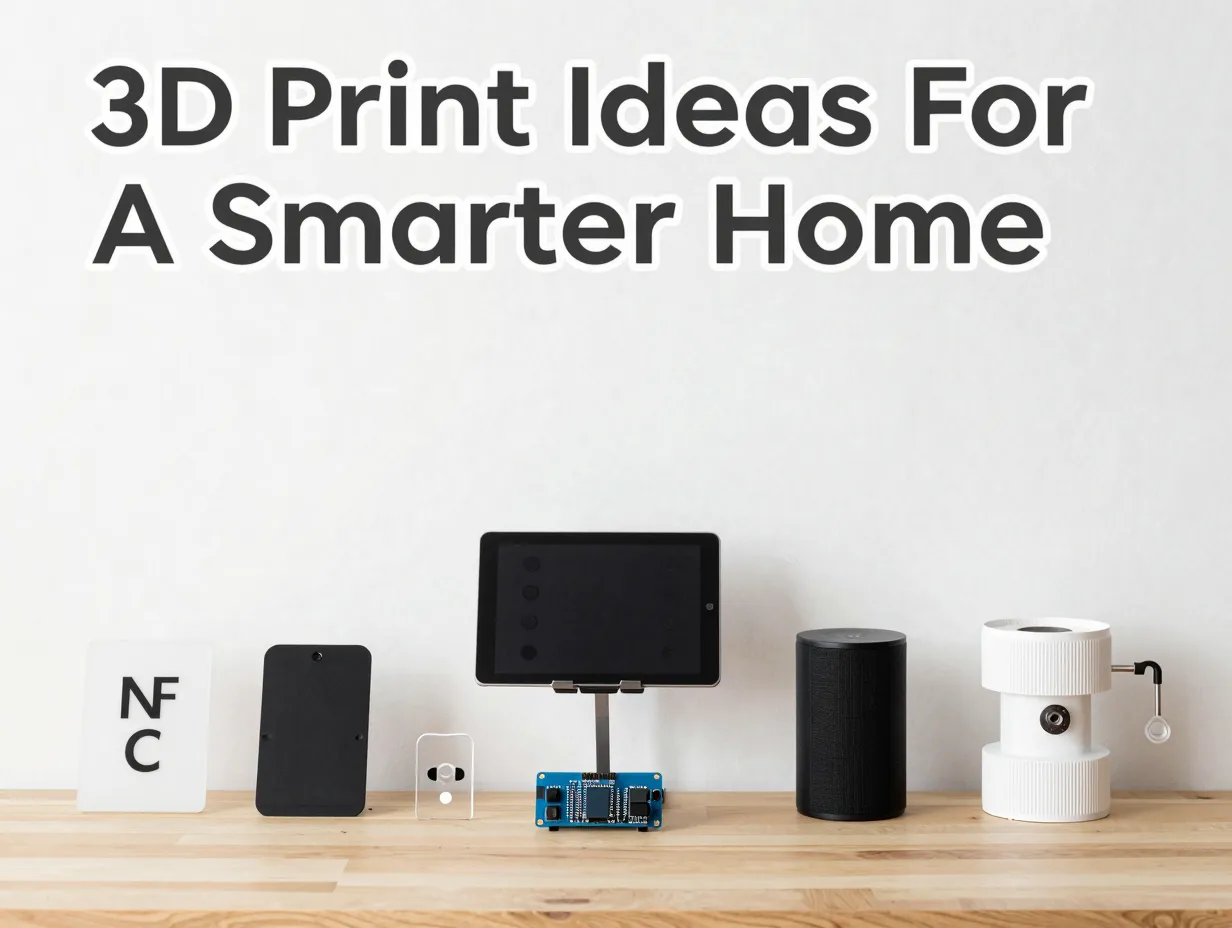
This guide breaks down six proven, tested categories of functional prints that turn ordinary rooms into responsive, automated spaces. Each idea below draws on real projects documented by makers, tech outlets, and community forums throughout 2026, so every suggestion is grounded in what people are actually building and using today.
Key Takeaways
- NFC housings and tablet wall mounts let old devices become smart home control panels without buying new hardware.[7][3]
- Printable outlet and under-cabinet mounts hide cables and give smart speakers a permanent, tidy home.[8][2]
- Custom sensor brackets improve automation reliability by keeping motion and contact sensors properly aligned.[6]
- DIY ESP32 control panels offer a physical alternative to smartphone apps for triggering scenes and routines.[7][1]
- Organization-focused prints, from cable clips to Gridfinity systems, remain the most consistently useful category among makers.[5][9]
Why Functional 3D Printing Is Redefining Smart Home Upgrades in 2026
Smart home technology used to mean buying whatever hardware a manufacturer decided to sell. That model is changing. Desktop 3D printers, once a hobbyist curiosity, are now precise enough to produce structural mounts, sensor housings, and even working control panels that integrate directly with existing automation platforms. The appeal is straightforward: printed parts cost pennies in filament, can be customized to fit any wall, cabinet, or outlet, and eliminate the awkward compromises that come with off-the-shelf brackets.
Community discussions from early 2026 consistently rank practical, everyday objects above decorative prints. A March 2026 thread in a major 3D printing community singled out items like cable organizers, magnetic hooks, and custom drain boards as the most repeatedly useful prints people had made, reinforcing that utility, not novelty, drives long-term adoption of home 3D printing.[5] At the same time, outlets covering smart home technology have documented a parallel trend: printed housings that let ordinary tablets, sensors, and microcontrollers function as smart home infrastructure.[7]
This convergence is why 6 Functional 3D Printing Ideas To Make Your Home Smarter has become such a common search query. Homeowners are not just looking for random prints; they want a curated set of projects that solve real automation problems, from messy cables to unreliable sensors, using tools they may already own or can access through a local library or makerspace.
6 Functional 3D Printing Ideas To Make Your Home Smarter Right Now
The following six categories represent the most tested, most repeated project types across 2026 maker content. Each one addresses a specific smart home pain point, from network access to plant care, and each can be adapted to almost any printer and filament type.
1. NFC Tag Housings and Wi-Fi Automation Plaques
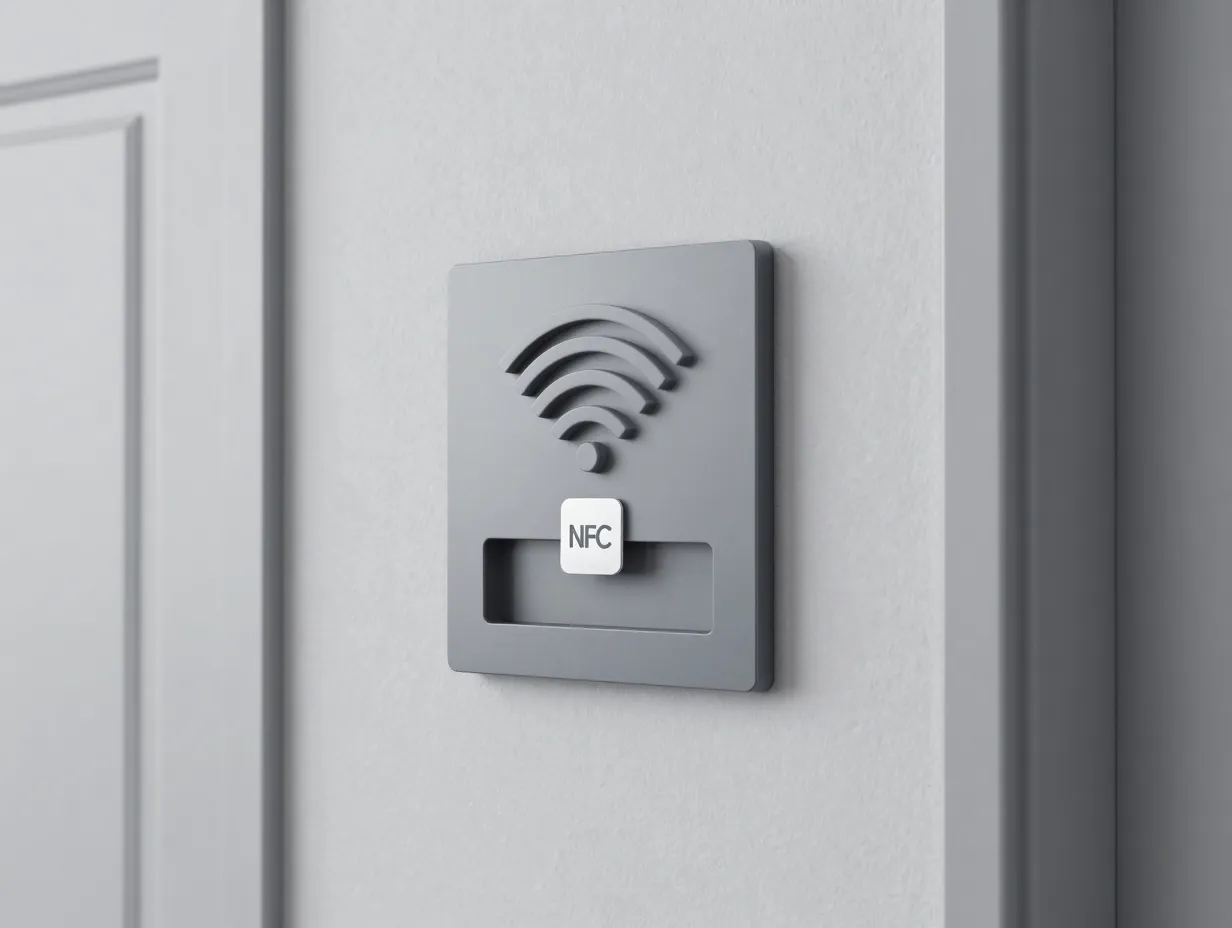
Near-field communication tags are tiny, cheap, and surprisingly versatile, but they look unfinished when left as bare stickers on a wall. A widely cited August 2026 HowToGeek article details how makers are printing custom housings, including cassette-tape-style cases and dedicated Wi-Fi plaques, to hold NFC tags in a clean, permanent form.[7] The key technical detail is that NFC signals pass through thin plastic without interference, so a printed enclosure does not block the tap-to-connect functionality.
These plaques serve several purposes at once. A guest can tap a phone against a printed sign near the front door to instantly join the guest Wi-Fi network, no typing required. Other tags can be programmed to trigger automations, such as switching a room into “movie mode” or arming a security system when someone leaves. Because the housing is printed, it can match any wall color or interior style, turning a purely functional object into a design element rather than an afterthought.
For anyone new to functional printing, this is a low-risk starting project. It requires no electronics knowledge beyond programming the NFC tag itself, and the printed part only needs to be a simple enclosure with a slot or recess for the tag.
2. Wall-Mounted Tablet Hubs for Whole-Home Control
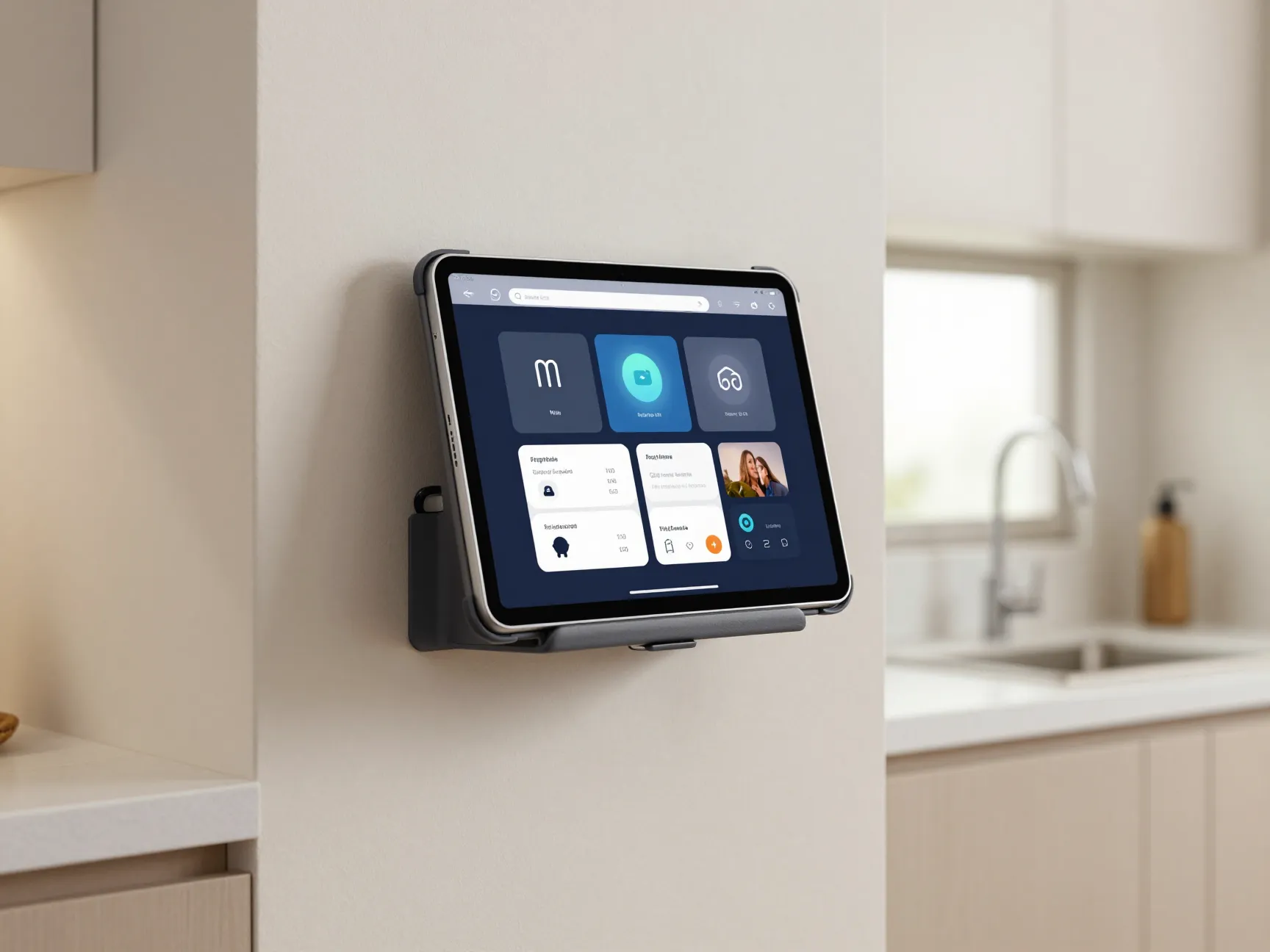
Retired tablets are one of the most underused resources in most households, and 3D printing has become the go-to method for turning them into permanent smart home dashboards. The same 2026 HowToGeek coverage highlights numerous printed tablet wall mounts that route power cables neatly behind the wall and keep the tablet charged indefinitely, effectively converting it into a stationary control panel for lights, scenes, and camera feeds.[7] A separate 2025 video roundup of smart-home-focused prints reinforces this trend, showcasing custom iPad mounts and Apple TV remote stands designed to declutter media areas while making everyday controls easier to reach.[3]
The practical advantage here is significant. Instead of pulling out a phone, unlocking it, and opening an app every time someone wants to dim the lights or check a doorbell camera, a wall-mounted tablet sits ready at eye level near an entryway or kitchen. Printed mounts also solve a problem that generic phone holders cannot: they route charging cables invisibly, so the tablet always has power without a visible cord running across the wall.
This idea works particularly well in kitchens, hallways, and home offices, where quick access to smart home controls matters most. A well-designed mount can be printed in under a day and installed with basic wall anchors.
3. Smart Speaker and Outlet Mounts That Hide the Clutter
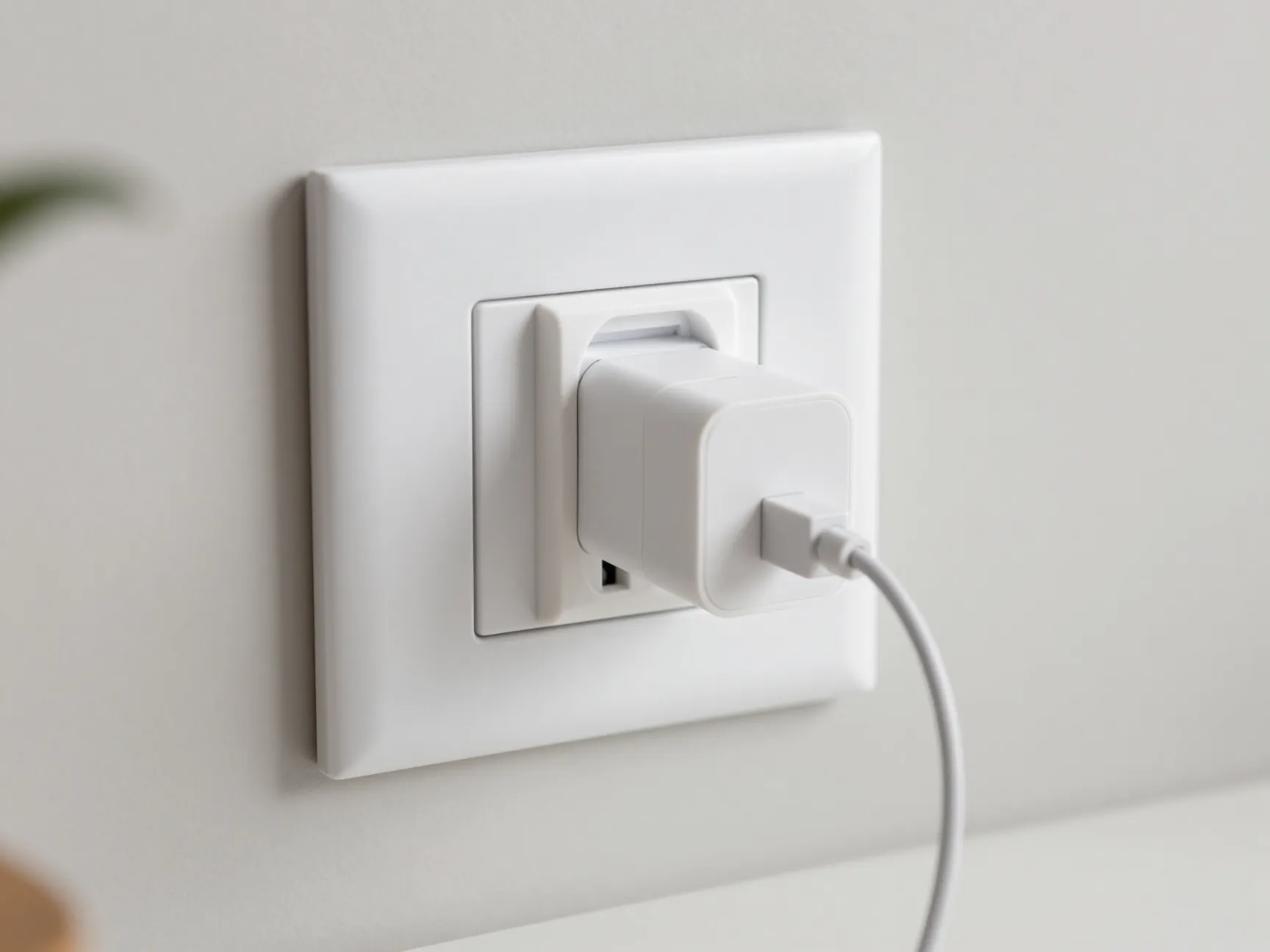
Smart speakers and displays are often left sitting on countertops with visible cables trailing to an outlet, which undermines the clean aesthetic many smart home owners are trying to achieve. A March 2026 guide to useful 3D printer projects features a specific outlet mount designed for the Google Home Mini that hides the cable entirely and uses the device’s own power adaptor as structural support, meaning no screws or extra hardware are needed.[8]
This same category extends well beyond one speaker model. A February 2026 bundle of ten smart home mount and bracket designs includes an Echo Dot under-cabinet mount and spacers for smart plugs, confirming that device-specific printable mounts have become a standard part of most maker libraries rather than a niche experiment.[2] These designs typically snap directly onto an existing outlet cover or cabinet edge, meaning installation takes minutes and requires no drilling in most cases.
The benefit is twofold. First, the speaker or plug is elevated and secured, which improves its microphone pickup and reduces accidental knocks. Second, the household gains a noticeably tidier look, since cables and adaptors disappear behind cabinetry or outlet plates instead of sitting exposed on a counter.
4. Custom Sensor Brackets for Reliable Automation
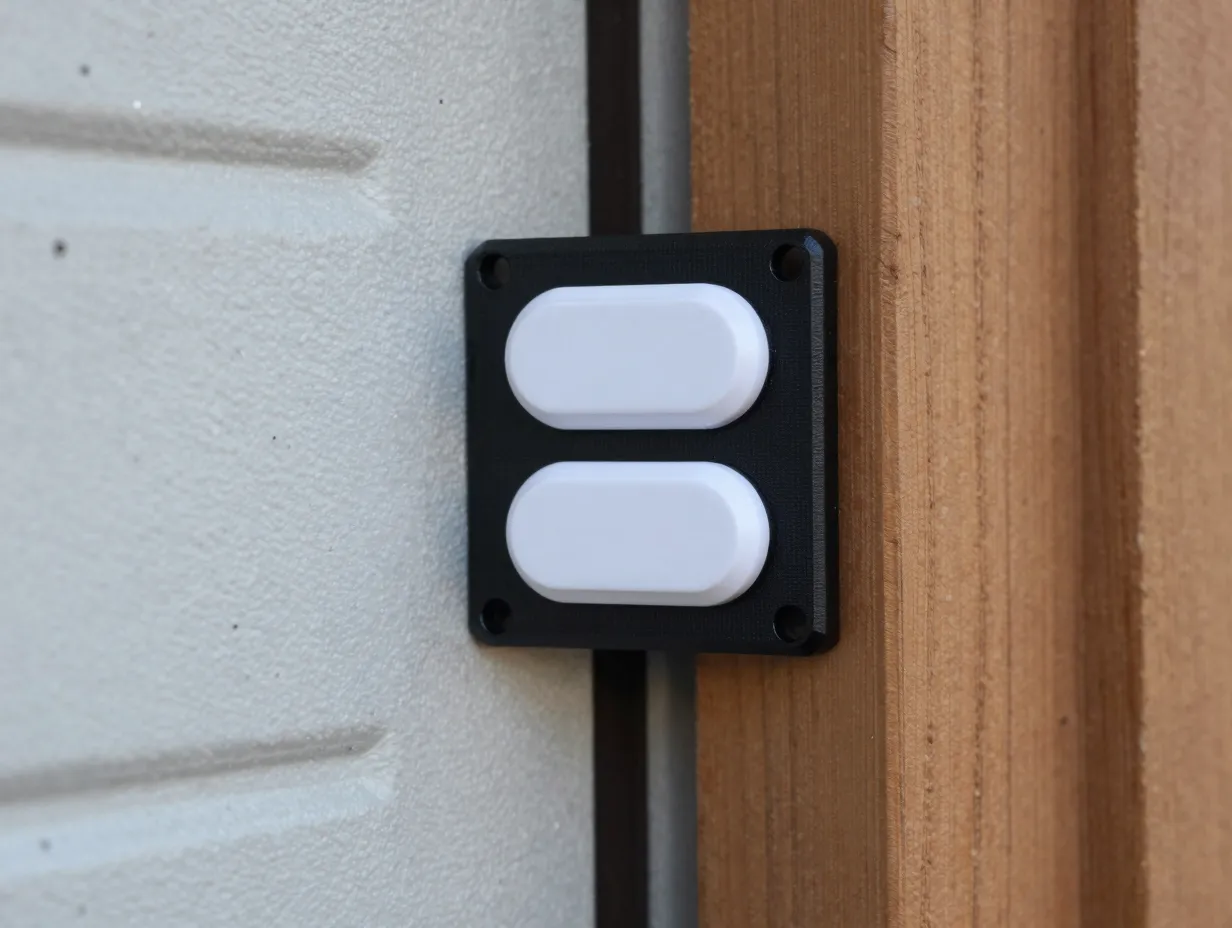
Automation systems are only as good as their sensors, and misaligned sensors are one of the most common causes of false triggers or missed events. A widely viewed smart home 3D printing video demonstrates printed holders for garage door contact sensors and motion sensor brackets, both designed to keep the sensor faces properly aligned and reduce the chance of accidental misalignment during daily use.[6]
These brackets solve a problem that generic adhesive mounts cannot. A contact sensor that shifts even a few millimeters out of alignment can stop reporting door status accurately, which undermines security automations that depend on knowing whether a door is open or closed. A custom-printed bracket holds both halves of the sensor in a fixed, repeatable position, which makes the automation far more dependable over months of use.
There is also an aesthetic argument. Off-the-shelf sensor mounts are often bulky and mismatched to the surface they sit on. Printed brackets can be designed to sit flush against door frames, window sills, or ceiling corners, making the installation far less noticeable while still keeping the sensor perfectly positioned.
5. DIY ESP32 Control Panels and Smart Switches
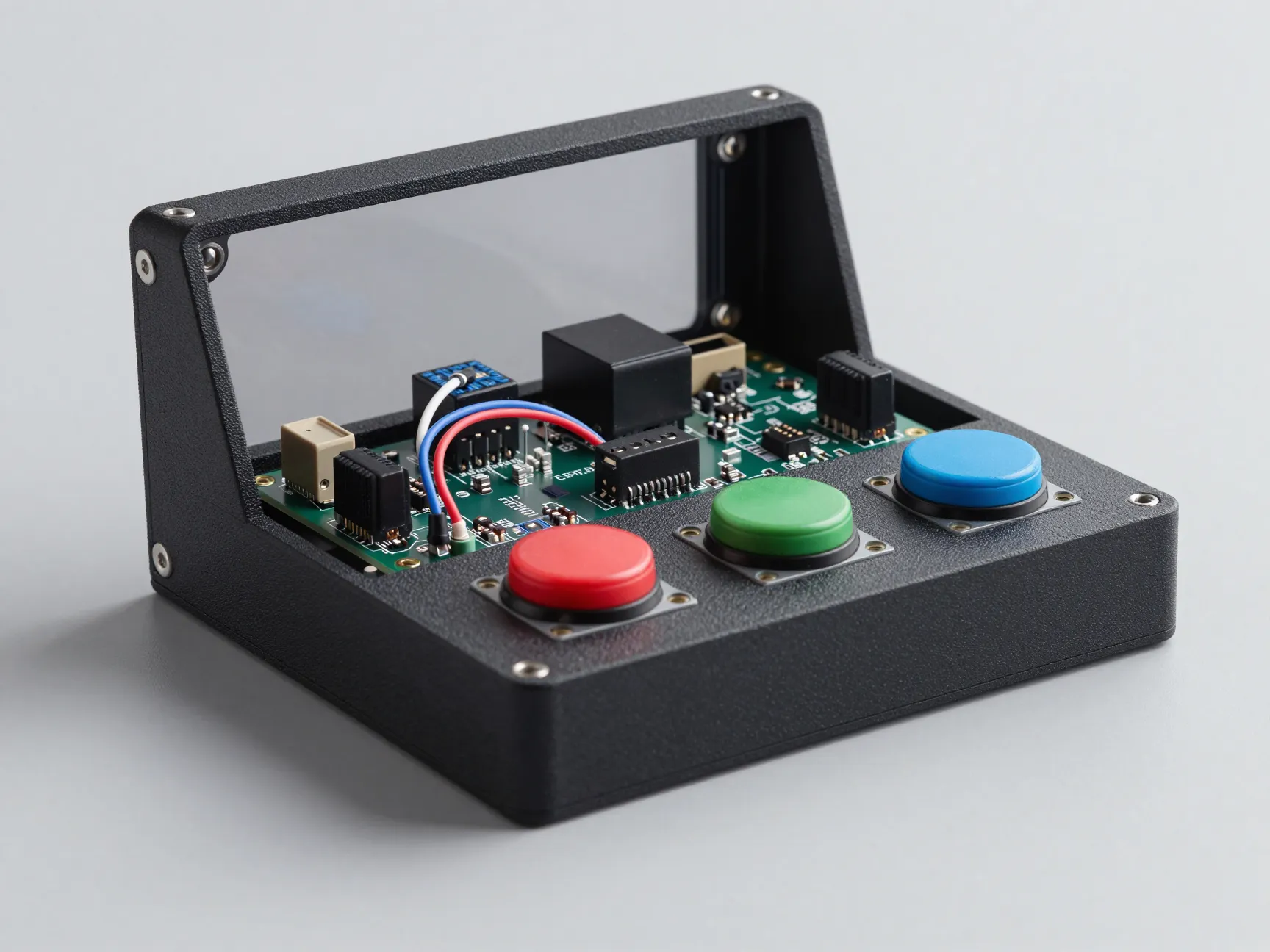
Not every smart home interaction should require pulling out a phone. A growing number of makers are printing custom enclosures to hold physical arcade-style push buttons wired to an ESP32 microcontroller running ESPHome, effectively building a bespoke control surface that can trigger complex automations, including full lighting scenes or whole-home routines, with a single press.[7] A February 2026 video showcasing functional prints similarly features a custom ESP32 remote control housed in its own printed case, underscoring the growing preference for tactile, purpose-built interfaces over app-only control.[1]
This idea sits at the more advanced end of the spectrum, since it requires basic wiring and firmware configuration in addition to the printed housing. The payoff, however, is a genuinely custom smart home interface: a wall panel with exactly the number of buttons a household needs, labeled however makes sense for that home, and built to match the wall it sits on rather than the aesthetic choices of a third-party manufacturer.
For households that want a middle ground, simpler printed enclosures for existing smart switches and dimmer covers, as featured in the same 2026 mount collection referenced earlier, offer similar visual customization without the electronics work.[2]
6. Modular Drip Irrigation and Smart Lighting Systems
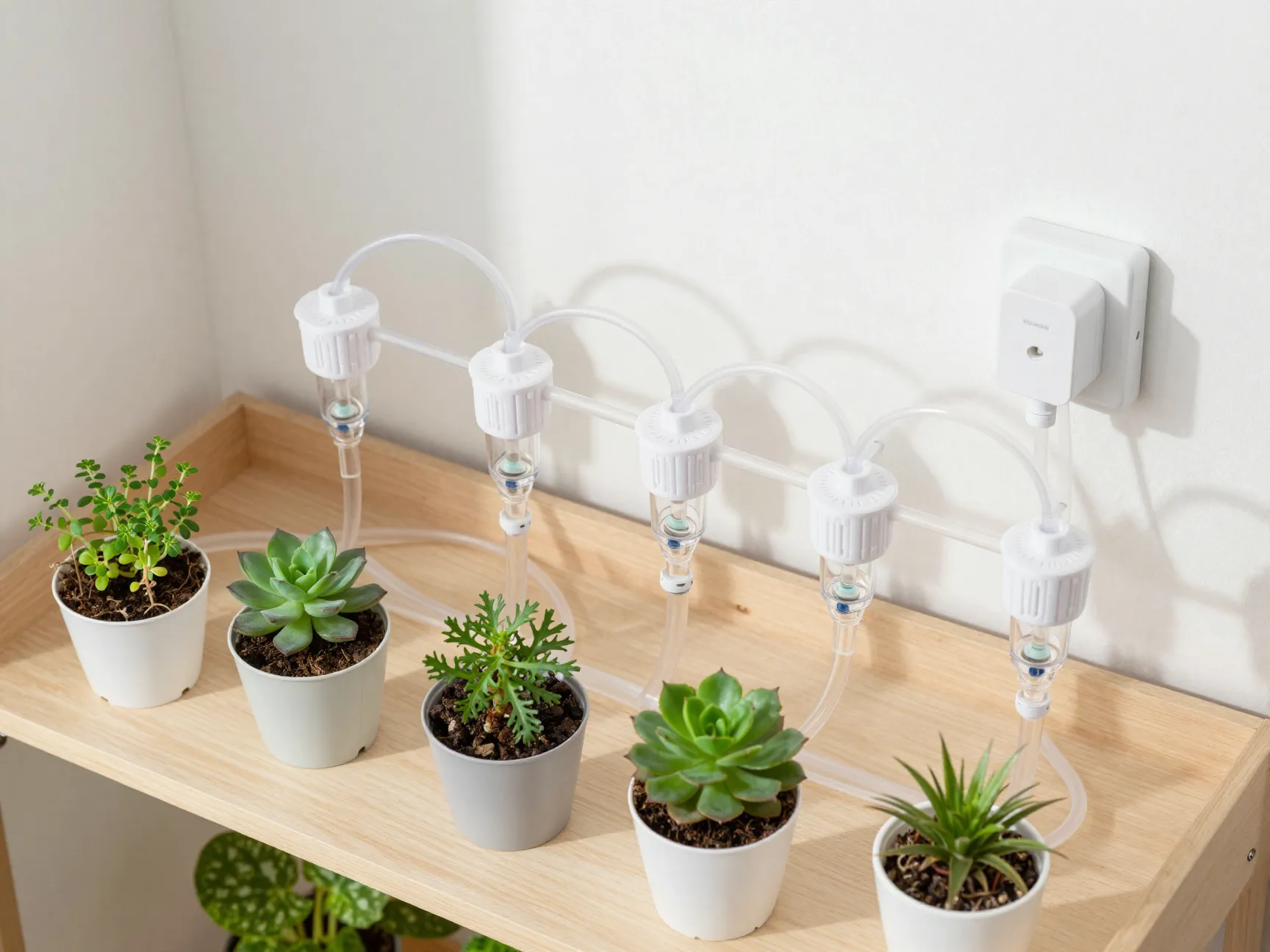
Smart homes are not limited to lights and speakers, and one of the more inventive 2026 examples extends automation into plant care. A May 2026 feature on modular drip irrigation profiles a printed system that uses 3D-printed manifolds and emitters to distribute water precisely to indoor plants, reducing waste compared with manual watering and integrating easily with smart plugs or timers for scheduled automation. This system is presented as a flagship example of extending smart home capabilities beyond entertainment and lighting into resource-efficient utilities.
Beyond irrigation, similar modular thinking applies to lighting. Printed geometric light panels have emerged as a lower-cost alternative to premium ambient lighting systems, letting hobbyists build their own programmable wall art that connects with existing smart lighting platforms. Both examples share a common thread: 3D printing is not just for mounting existing smart devices, it is increasingly used to build entirely new functional systems around them.
How to Choose the Right Projects From These 6 Functional 3D Printing Ideas To Make Your Home Smarter
Not every household needs all six categories at once. The right starting point depends on current pain points, available tools, and comfort with basic electronics. The table below summarizes the practical trade-offs.
| Idea | Skill Level | Typical Print Time | Best For |
|---|---|---|---|
| NFC housings and Wi-Fi plaques | Beginner | 1 to 2 hours | Guest network access, quick automations |
| Wall-mounted tablet hubs | Beginner to intermediate | 3 to 6 hours | Central smart home dashboards |
| Speaker and outlet mounts | Beginner | 1 to 3 hours | Clutter-free countertops and cabinets |
| Sensor brackets | Beginner | Under 1 hour | Security and motion automation reliability |
| ESP32 control panels | Advanced | 2 to 5 hours plus wiring | Custom physical control surfaces |
| Irrigation and lighting systems | Intermediate to advanced | 4 to 10 hours | Plant care and ambient lighting automation |
A practical approach is to start with the lowest-skill projects, such as sensor brackets or NFC housings, before moving toward electronics-heavy builds like ESP32 panels. This mirrors how most maker communities describe their own progression, starting with simple organizational prints such as cable clips and grommets before advancing to more integrated smart home hardware.[9]
Tools and Materials Worth Having on Hand
Success with these projects depends less on an expensive printer and more on a few practical habits and supplies.
- A reliable filament choice, since PLA works fine for indoor mounts and housings, while PETG offers better durability for anything near a window or exposed to temperature swings.
- A digital caliper, because sensor brackets and outlet mounts need millimeter-level accuracy to fit snugly without wobbling.
- Access to free STL repositories, where many of the mounts and brackets described above are already shared and ready to print without designing from scratch.[2]
- Basic wiring tools, such as a small screwdriver set and wire strippers, needed only for ESP32-based control panel projects.
- Painter’s tape or a textured print bed, which helps larger flat prints like tablet mounts adhere properly during long print jobs.
Frequently Asked Questions
Does a 3D-printed housing block NFC or Wi-Fi signals?
No. NFC tags transmit through thin plastic without meaningful interference, which is why printed housings for NFC plaques and Wi-Fi signs work reliably in real installations.[7]
Is a 3D printer necessary, or can these parts be bought instead?
Store-bought mounts exist for some of these use cases, but they rarely match the exact dimensions of a specific outlet, sensor, or wall corner. Printed parts can be customized precisely, which is the main reason makers prefer them over generic alternatives.[8]
What is the easiest project for someone who has never used a 3D printer before?
Sensor brackets and simple outlet mounts are the easiest starting points. They require no electronics knowledge, print quickly, and immediately solve a visible problem like a wobbly sensor or a messy cable.[6][8]
Do these projects require coding skills?
Only the ESP32 control panel idea requires basic firmware configuration, typically using ESPHome. The other five ideas involve no coding at all.[7]
Where can printable files for these projects be found?
Many of the exact mounts and brackets referenced in this guide, including router brackets, speaker mounts, and switch covers, are already available as free downloadable collections on model-sharing platforms.[2]
Conclusion: Turn a Printer Into a Smart Home Toolkit
The six ideas covered here, NFC housings, tablet hubs, speaker mounts, sensor brackets, ESP32 control panels, and irrigation or lighting systems, prove that 3D printing has moved well past decorative trinkets. Each one solves a concrete, common frustration in smart home setups: unreliable sensors, exposed cables, awkward device placement, or the lack of a physical control surface that does not require unlocking a phone.
The most practical next step is to pick one problem area at home, whether that is a wobbly motion sensor or a tangle of cables behind a smart speaker, and print a single solution before expanding further. Community feedback consistently shows that the simplest organizational and mounting prints deliver the most day-to-day value, so there is no need to start with the most advanced project on this list.[5][9] With a modest printer, a spool of filament, and one of the six ideas above, any home can start becoming measurably smarter within a single weekend.
References
[1] Watch – https://www.youtube.com/watch?v=A8m141R1zZU
[2] 1620192 Smart Home Mounts Brackets Collection 10 Model Stl – https://www.printables.com/model/1620192-smart-home-mounts-brackets-collection-10-model-stl
[3] Watch – https://www.youtube.com/watch?v=dgbxQEblzg4
[4] Examples Functional 3d Prints – https://3dprinting.com/3dprint/examples-functional-3d-prints/
[5] What Are The Most Useful Household Prints Youve – https://www.reddit.com/r/3Dprinting/comments/1rtlk8t/what_are_the_most_useful_household_prints_youve/
[6] Watch – https://www.youtube.com/watch?v=ZTOtFVZXL8Q
[7] Ways Combine 3d Printer Smart Home – https://www.howtogeek.com/ways-combine-3d-printer-smart-home/
[8] Useful 3d Printer Projects Level Up Home – https://www.bgr.com/2124514/useful-3d-printer-projects-level-up-home/
[9] Useful 3d Prints For Your Home – https://www.ka3dp.com/useful-3d-prints-for-your-home/
[10] Watch – https://www.youtube.com/watch?v=BYBFLatuFjE