8 Smart Home Automation Systems Compared: Find Your Perfect Fit
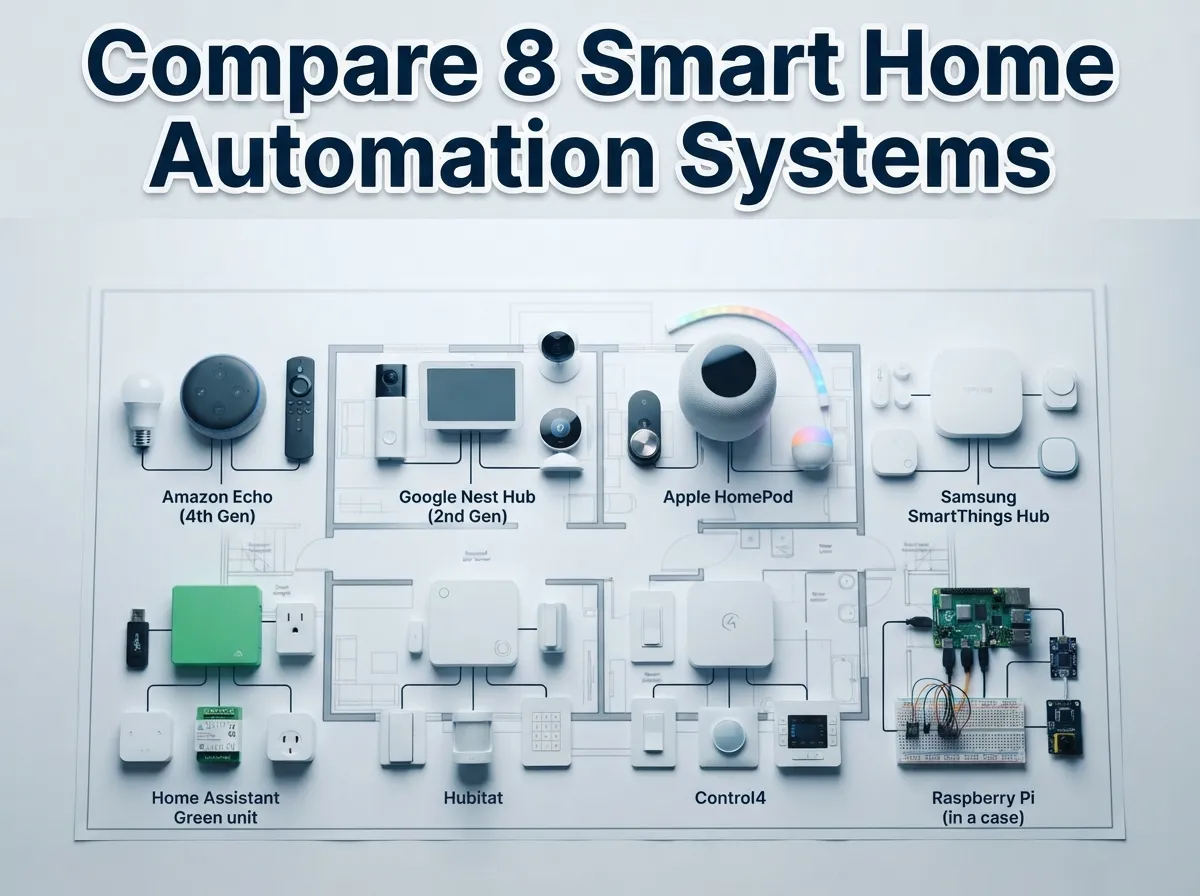
By 2026, more than 700 million smart home devices are active worldwide, yet most homeowners are still locked into a single ecosystem they chose almost by accident. Picking the wrong platform early means years of workarounds, orphaned devices, and privacy trade-offs nobody warned you about. This guide to 8 Smart Home Automation Systems Compared: Find Your Perfect Fit cuts through the marketing noise to show exactly where each platform excels, where it falls short, and which type of buyer it actually suits.
Disclosure: This post contains affiliate links. As an Amazon Associate, we earn from qualifying purchases, and at no extra cost to you.
The landscape shifted significantly when the Matter standard advanced to version 1.6, reshaping which ecosystems are worth betting on long-term [3][4]. But Matter alone does not solve every compatibility problem, and the gap between local-first and cloud-centered platforms is wider than most buyers realize [5].
Key Takeaways
- Matter 1.6 now covers cameras, security, energy management, and EV charging, making cross-platform device support broader than ever [3][4]
- Local-first platforms (Home Assistant, Hubitat, openHAB) offer the strongest privacy and offline reliability, but demand more technical effort
- Cloud ecosystems (Alexa, Google Home, Apple Home, SmartThings) win on device breadth and ease of setup
- Privacy rankings place Apple Home and Home Assistant at the top; ad-supported platforms score lower
- No single platform is best for everyone, the right choice depends on technical skill, device count, privacy needs, and budget
Why Platform Choice Matters More Than Individual Devices
The device you buy matters far less than the platform running it. A smart lock from a top brand becomes a liability if the hub it depends on goes offline, gets discontinued, or sells your usage data to advertisers. The rise of the Matter protocol has improved interoperability, but fragmentation across the four major ecosystems, Amazon Alexa, Google Home, Apple Home, and Samsung SmartThings, remains a real-world problem for anyone with a mixed-brand device collection [5][9].
Matter 1.4 made energy management and EV home-energy devices first-class citizens in the standard, a significant step for homeowners managing solar panels, battery storage, and electric vehicle charging [2][8]. Matter 1.5 and 1.5.1 brought cameras and security devices fully into scope [3]. The latest release, Matter 1.6, adds further refinements to device categories and security certification requirements [4]. These advances mean that in 2026, a well-chosen platform can genuinely talk to a wider range of devices than ever before, but rollout timelines vary, and not every hub has shipped the relevant firmware updates yet [10].
Understanding the local-first versus cloud-centered divide is the single most important decision a buyer makes. Local-first systems process automations on hardware inside the home. Cloud-centered systems route commands through remote servers. The practical difference shows up in three areas: reliability during internet outages, response latency, and data privacy [6][7].
The 8 Smart Home Automation Systems Compared: Find Your Perfect Fit
The following eight platforms represent the most recommended options in 2026 buyer guides [1][7]. Each entry covers core strengths, weaknesses, ideal user profile, and Matter compatibility status.
1. Amazon Alexa (Echo Ecosystem)
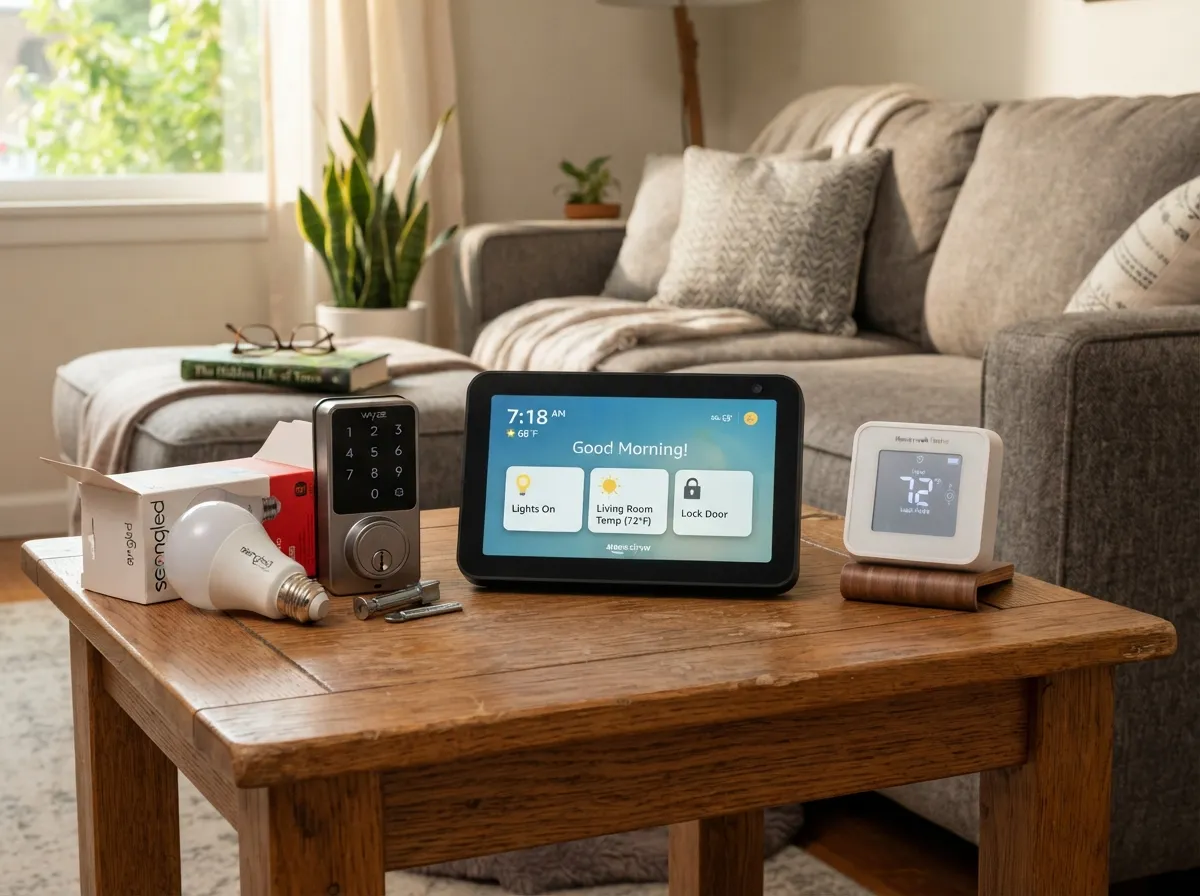
Amazon Alexa remains the broadest consumer smart home platform by device count. The Alexa ecosystem supports thousands of certified devices across every major category, lighting, locks, thermostats, sensors, cameras, and appliances. Setup is fast, the voice interface is mature, and the Alexa app provides a serviceable dashboard for basic automation.
Strengths: Unmatched device compatibility, strong third-party integrations, widely available hardware at every price point, Matter controller support now standard on newer Echo devices [9].
Weaknesses: Cloud-dependent by design, meaning automations fail during internet outages. Privacy concerns are significant, Amazon’s business model involves ad targeting, and voice data handling has drawn regulatory scrutiny. API depth for advanced users is limited compared to local platforms [5].
Best for: Buyers who prioritize ease of setup and maximum device choice over privacy or offline reliability. Renters, first-time smart home adopters, and households already embedded in the Amazon retail ecosystem.
Matter status: Echo devices support Matter as a controller and bridge. Full Matter 1.6 feature rollout is expected in late 2026 [4][10].
2. Google Home
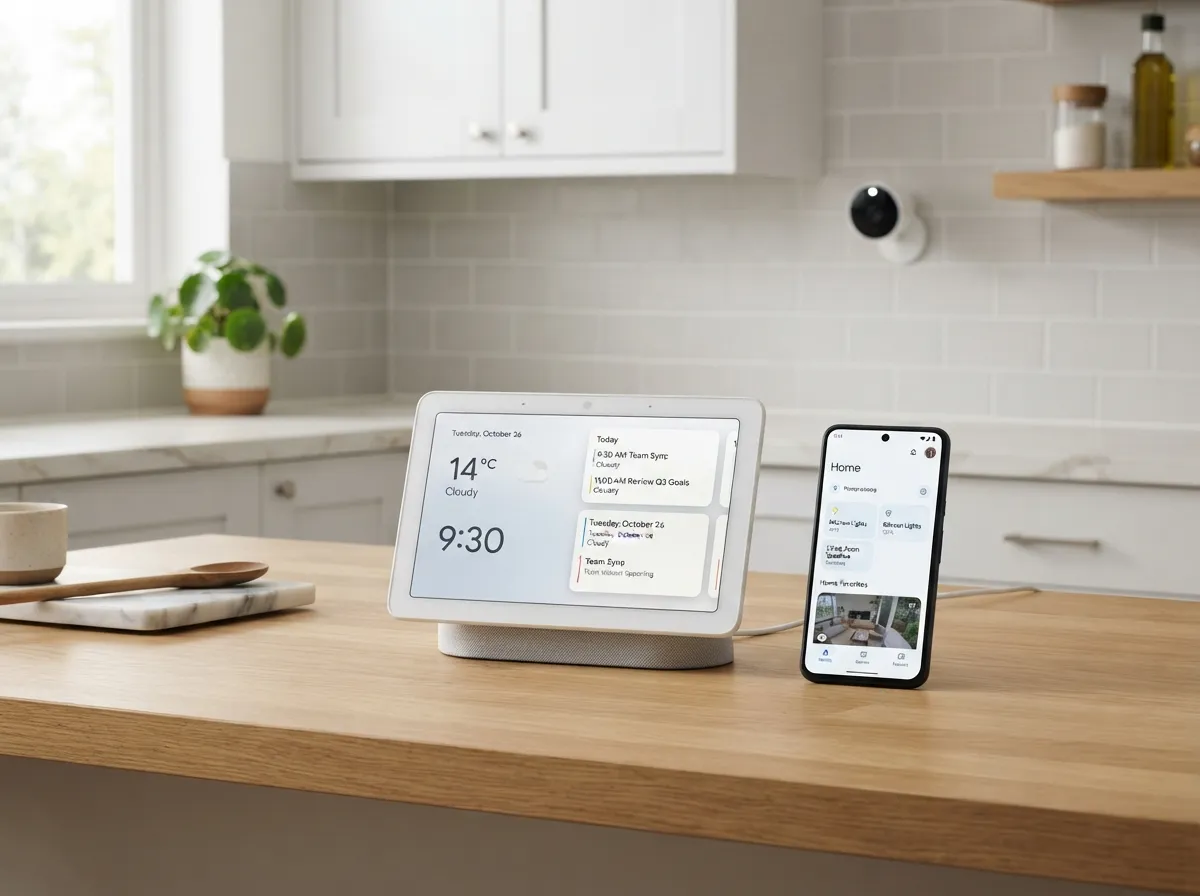
Google Home has rebuilt its platform architecture since 2023, and the 2026 version is meaningfully more stable than its earlier iterations. The Google Home app now offers a cleaner automation builder, and integration with Google Assistant remains one of the strongest natural-language voice interfaces available.
Strengths: Excellent voice recognition, deep integration with Android devices and Google services, Nest hardware lineup is polished, Matter controller support is active [3].
Weaknesses: Google’s history of discontinuing products creates legitimate long-term trust concerns. Like Alexa, it is cloud-first, with limited local processing. Privacy ranking is moderate, Google’s advertising business means data collection is baked into the model [7].
Best for: Android-first households, buyers already using Nest cameras or thermostats, and users who rely heavily on Google Calendar, Maps, or Workspace integrations.
Matter status: Google Home supports Matter 1.4 features including energy management. Camera integration via Matter 1.5 is live on Nest hubs [3][5].
3. Apple Home (HomeKit)
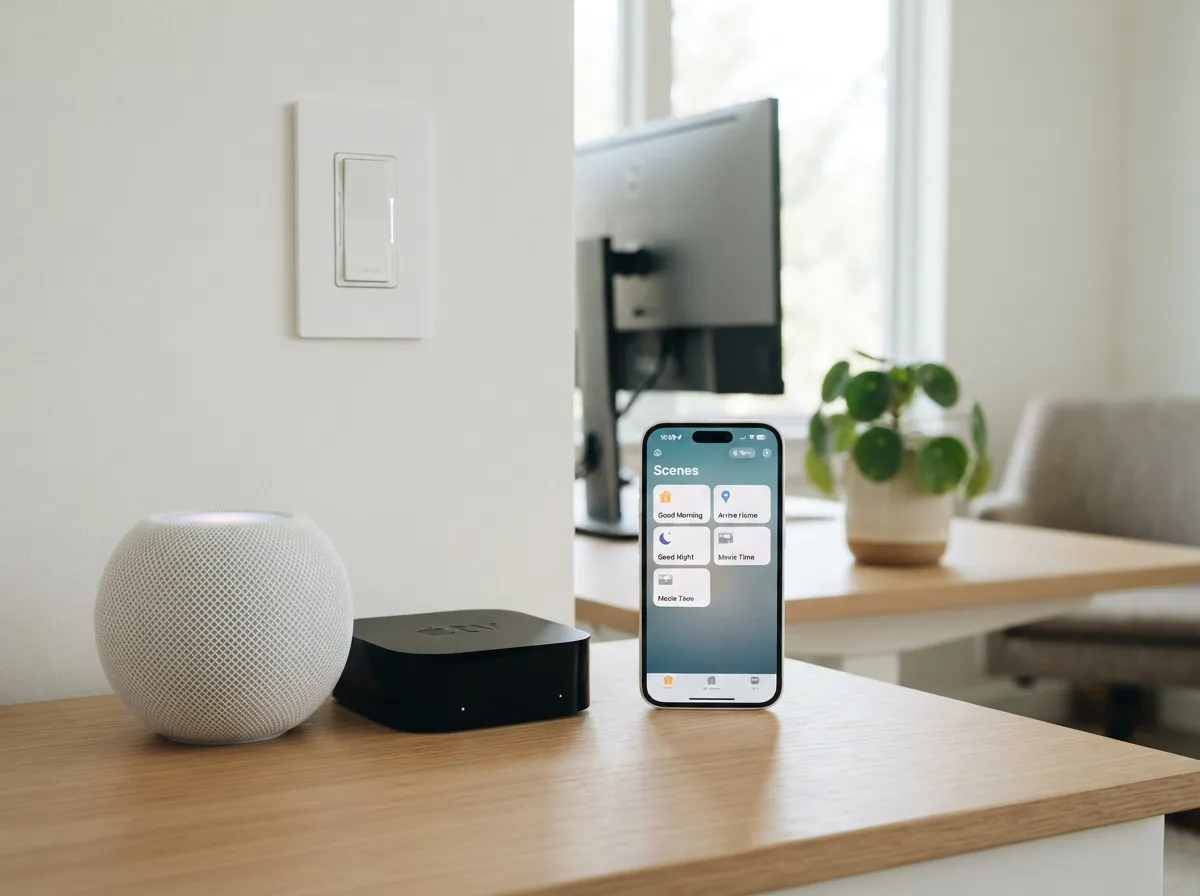
Apple Home stands apart from the other mainstream ecosystems on one dimension above all others: privacy. HomeKit processes automations locally on HomePod mini or Apple TV hardware, and Apple’s data practices are the most restrictive of any major platform [7]. For buyers in the Apple ecosystem, the integration with iPhone, iPad, Siri, and Shortcuts is seamless.
Strengths: Best-in-class privacy, strong local processing via HomePod and Apple TV hubs, Matter controller support, clean app interface, robust access-sharing with family members [6].
Weaknesses: Requires Apple hardware for full functionality. Device selection, while improved, is narrower than Alexa or Google Home. Automation logic is less flexible than local-first platforms. Premium hardware costs add up quickly.
Best for: iPhone-first households, privacy-conscious buyers, and users who want a polished experience without technical complexity.
Matter status: Apple Home was an early Matter adopter. Matter 1.6 support is expected via a HomeKit framework update in iOS 19 / tvOS 19 [4].
4. Samsung SmartThings
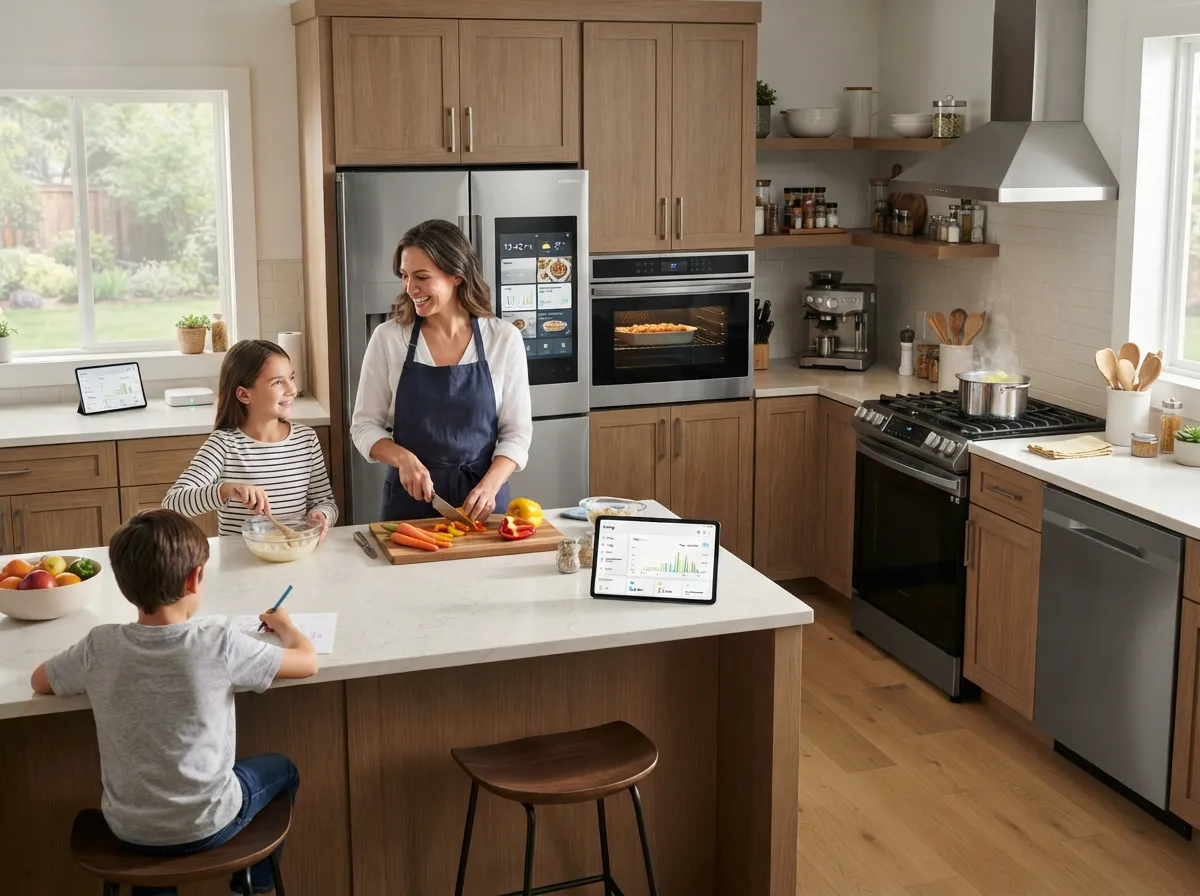
SmartThings occupies an interesting middle ground. It supports a wide device catalog, offers more automation flexibility than Alexa or Google Home, and Samsung’s appliance lineup integrates natively. The 2026 platform has improved local processing for certain device types, reducing cloud dependency for core automations.
Strengths: Strong device compatibility, native Samsung appliance integration, improving local execution, Matter controller support, useful energy monitoring features tied to Samsung appliances [8].
Weaknesses: The app and platform have historically been inconsistent in reliability. Privacy ranking is moderate. Advanced users often find the automation builder limiting compared to Home Assistant or Hubitat [1].
Best for: Households with Samsung appliances, buyers who want a step up from basic voice assistants without going fully local-first, and users who want energy monitoring built in.
Matter status: SmartThings supports Matter as a controller and bridge. Energy management features from Matter 1.4 are available on compatible hubs [2][8].
5. Home Assistant
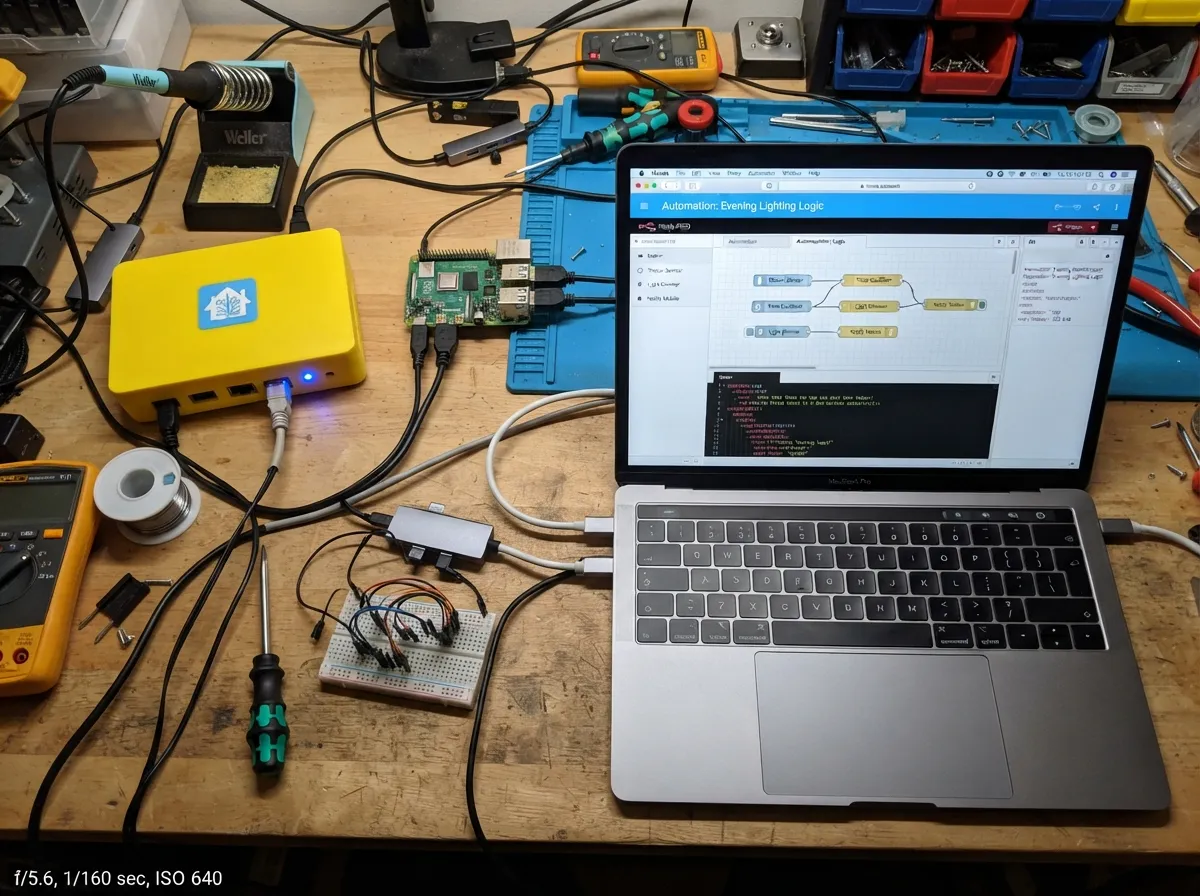
Home Assistant is the gold standard for technically capable homeowners who want maximum control, privacy, and flexibility. It runs locally on a dedicated device, most commonly a Raspberry Pi or a purpose-built Home Assistant Green or Yellow unit, and processes all automations without sending data to any external server [6][7].
Strengths: Unmatched integration depth with over 3,000 official integrations, full local processing, open-source codebase, active community, highest privacy ranking of any platform, Matter controller and bridge support, powerful automation engine with conditional logic, scripts, and blueprints [1].
Weaknesses: Setup and maintenance require genuine technical comfort. Troubleshooting can be time-consuming. The interface, while improved significantly, is less polished than commercial platforms. Not suitable for non-technical users without professional setup help.
Best for: Tech-savvy homeowners, privacy advocates, multi-home deployments, advanced automation enthusiasts, and anyone who wants their smart home to outlast any single company’s product decisions.
Matter status: Home Assistant supports Matter 1.4 and has active development toward 1.6 feature parity. Energy management and EV charging integrations are available [2][5].
6. Hubitat Elevation
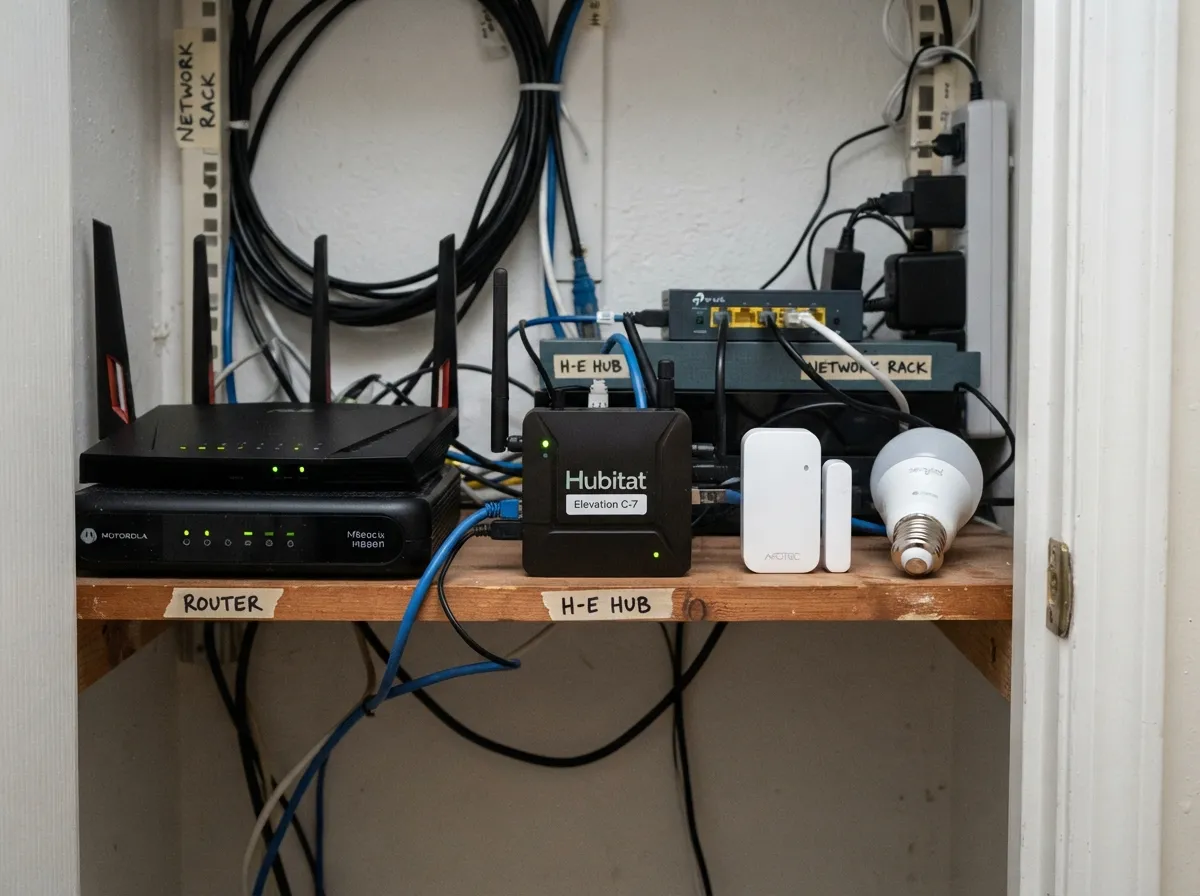
Hubitat Elevation is the closest commercial alternative to Home Assistant for buyers who want local processing without the full DIY commitment. The hub runs entirely on local hardware, automations execute without internet, and the platform supports a wide range of Z-Wave, Zigbee, and Matter devices [6].
Strengths: True local processing, no subscription required for core features, strong Z-Wave and Zigbee support, active developer community, reliable automation execution, good privacy posture [7].
Weaknesses: The interface is functional but dated. The learning curve is steeper than mainstream platforms. Device compatibility, while solid, does not match Alexa or Google Home breadth. Cloud features require an optional subscription.
Best for: Buyers who want local reliability without building a full Home Assistant setup, Z-Wave and Zigbee device owners, and users transitioning away from SmartThings.
Matter status: Hubitat supports Matter as a controller. Full Matter 1.5 and 1.6 feature support is in active development [3][10].
7. Control4

Control4 sits in a different market segment entirely. It is a professional-grade, dealer-installed system designed for whole-home integration, AV distribution, lighting control, motorized shades, HVAC, security, and more, all managed through a single interface. Pricing reflects this scope.
Strengths: Best-in-class whole-home AV and lighting integration, highly customizable through certified dealers, robust hardware ecosystem, strong multi-home management for property portfolios, local processing for core functions [1].
Weaknesses: Requires a certified dealer for installation and programming. Hardware and installation costs are substantially higher than consumer platforms. Not suitable for DIY buyers. Updates and changes typically require dealer involvement.
Best for: Custom home builders, high-end residential projects, vacation rental portfolios, and buyers who want a professionally managed system with a dedicated support relationship.
Matter status: Control4 has announced Matter integration support. Full rollout timelines depend on dealer firmware updates [10].
8. openHAB
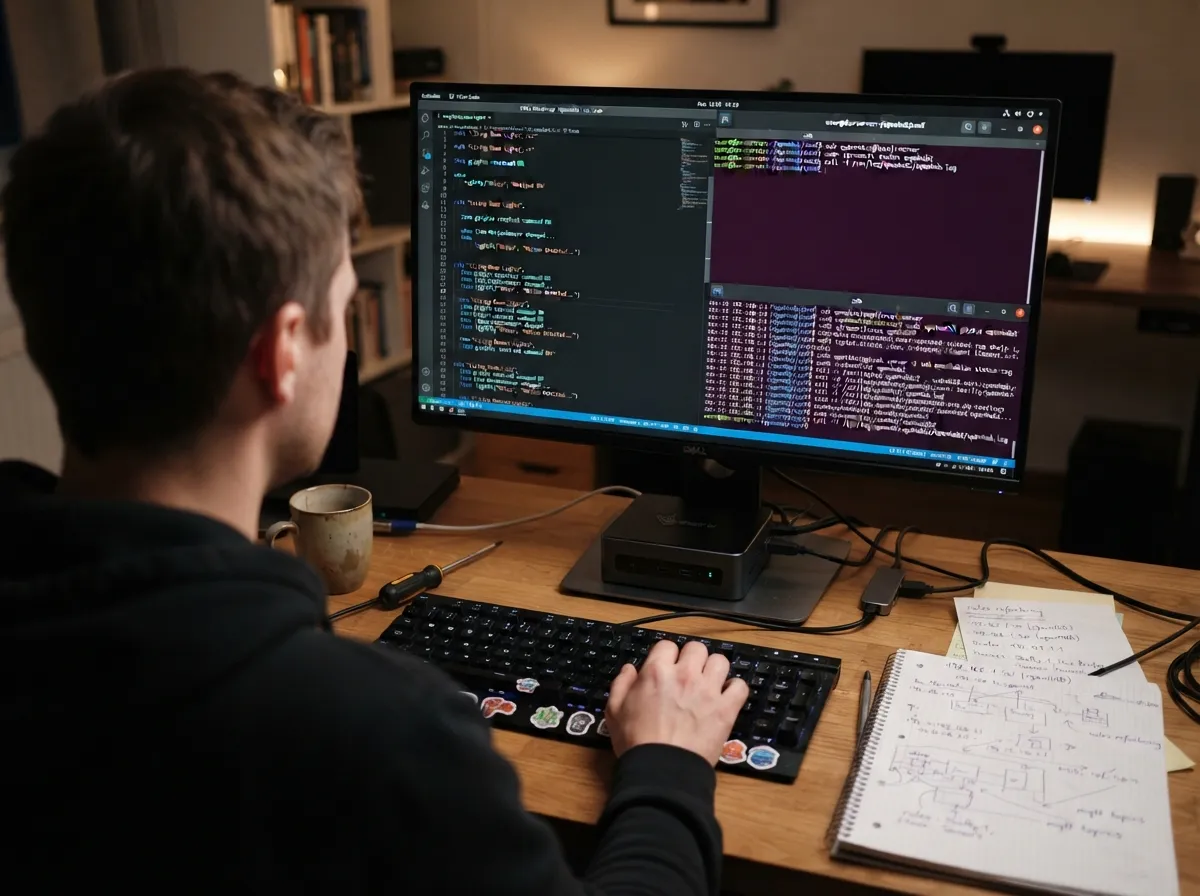
openHAB is a fully open-source, vendor-neutral home automation platform with one of the longest track records in the space. Like Home Assistant, it runs locally and supports an enormous range of protocols and integrations. It is particularly strong in enterprise and multi-site deployments where customization and auditability matter [6].
Strengths: Fully open-source, vendor-neutral, runs locally, supports hundreds of protocols and bindings, strong privacy posture, no subscription costs, highly scriptable [7].
Weaknesses: Steeper learning curve than Home Assistant. The interface requires more configuration effort. Community support, while active, is smaller than Home Assistant’s. Not recommended for non-technical users.
Best for: Developers, enterprise smart building managers, technically advanced homeowners who prefer Java-based scripting, and deployments where open-source auditability is a compliance requirement.
Matter status: openHAB has Matter binding support in active development. Community-maintained integrations cover Matter 1.4 device categories [2][5].
How to Choose: A Decision Framework
With 8 Smart Home Automation Systems Compared: Find Your Perfect Fit laid out above, the decision comes down to four variables. Use the table below as a quick reference.
| Platform | Technical Skill Needed | Privacy Rank | Local Processing | Best Fit |
|---|---|---|---|---|
| Amazon Alexa | Low | Moderate | Minimal | Beginners, Amazon shoppers |
| Google Home | Low | Moderate | Partial | Android users, Nest owners |
| Apple Home | Low | High | Yes (HomePod/ATV) | iPhone users, privacy focus |
| SmartThings | Low-Medium | Moderate | Partial | Samsung appliance owners |
| Home Assistant | High | Highest | Full | Tech enthusiasts, privacy advocates |
| Hubitat | Medium | High | Full | Local reliability seekers |
| Control4 | None (dealer) | High | Yes | Custom homes, pro installs |
| openHAB | Very High | Highest | Full | Developers, enterprise |
Matter 1.6 and What It Actually Changes in 2026
The Matter standard has become the most important structural shift in smart home technology since Wi-Fi became ubiquitous. Version 1.6, officially announced in mid-2026, builds on the foundation laid by versions 1.4 and 1.5 to create a genuinely cross-platform device layer [4].
What Matter 1.4 added: Energy management devices, smart meters, solar inverters, battery storage systems, and EV charging equipment, became first-class Matter citizens [2][8]. This matters enormously for homeowners managing whole-home energy, because it means a single automation platform can now coordinate EV charging schedules with solar production and grid pricing.
What Matter 1.5 and 1.5.1 added: Cameras and security devices entered the Matter specification, ending years of siloed camera ecosystems [3]. A Matter-certified camera can now appear natively in Apple Home, Google Home, Alexa, and SmartThings simultaneously.
What Matter 1.6 adds: Enhanced device security certification requirements, expanded energy management profiles, and refinements to the camera specification [4]. The Product Security 1.1 update released alongside Matter 1.6 raises the baseline security standard for all certified devices.
“Matter 1.6 does not eliminate ecosystem fragmentation overnight, but it substantially raises the floor for interoperability across all major platforms.” [4]
The honest caveat: Firmware rollouts lag specification releases. A device certified for Matter 1.4 features may not receive the relevant update for months after the spec ships. Buyers should check hub firmware changelogs before assuming any specific Matter feature is live on their hardware [10].
Privacy and Long-Term Platform Risk
Privacy is not a secondary concern in smart home selection, it is a primary one. Devices in a home automation system collect data about occupancy patterns, sleep schedules, energy use, and daily routines. Where that data goes varies sharply by platform.
Highest privacy: Apple Home and Home Assistant. Apple’s privacy commitments are contractually binding and regularly audited. Home Assistant sends nothing to external servers by default, all data stays on local hardware [7].
Moderate privacy: Samsung SmartThings, Google Home, Amazon Alexa. All three platforms collect usage data. Amazon and Google’s advertising business models mean that data has commercial value. SmartThings collects less than the voice-assistant platforms but is not local-first [6].
Long-term platform risk is a separate but related concern. Google has discontinued multiple smart home products. Amazon has scaled back Alexa hardware. Hubitat and openHAB, being local-first and open-source respectively, carry no discontinuation risk in the same sense, the software continues to work regardless of company decisions. Home Assistant’s open-source model provides the strongest long-term guarantee [1][7].
Conclusion
The search for the right smart home platform ends when the platform matches the user, not the other way around. This review of 8 Smart Home Automation Systems Compared: Find Your Perfect Fit makes the trade-offs explicit so that choice can be made with clear eyes.
Actionable next steps:
- Identify your non-negotiables first: privacy, offline reliability, device compatibility, or ease of use. Rank them honestly.
- Audit your existing devices. Check Matter certification status and which platforms each device supports natively.
- If privacy and local control matter most, start with a Home Assistant trial on a spare device before committing to hardware purchases.
- If simplicity is the priority and you are in the Apple ecosystem, Apple Home with a HomePod mini hub is the lowest-friction high-privacy option.
- If you are building or renovating a home at a significant budget, get quotes from two Control4 dealers before dismissing the professional-install segment.
- Monitor Matter firmware updates on your chosen hub, the specification is advancing faster than hardware rollouts, and staying current unlocks new device categories without replacing hardware [10].
No platform is permanent. The smart home industry in 2026 is more interoperable than it has ever been, but it is still evolving. Choosing a platform with strong local processing, an active development community, or open-source foundations provides the best hedge against the inevitable next round of industry consolidation.
References
[1] Best Home Automation Systems 2026 As A Smart Home Reviewer I Rounded Up The Top Ones – https://www.cloudspress.com/best-home-automation-systems-2026-as-a-smart-home-reviewer-i-rounded-up-the-top-ones/
[2] Matter 1 4 Spec Released March 2026 – https://consumertechwire.com/news/matter-1-4-spec-released-march-2026/
[3] Matter 1 6 Whats New 2026 – https://www.hometechtested.com/blog/matter-1-6-whats-new-2026/
[4] Matter 1 6 And Product Security 1 1 Officially Announced Heres Whats New – https://9to5mac.com/2026/06/17/matter-1-6-and-product-security-1-1-officially-announced-heres-whats-new/
[5] Matter 1 4 And The State Of Smart Home Interop 2026 – https://consumertechwire.com/analysis/matter-1-4-and-the-state-of-smart-home-interop-2026/
[6] Smart Home Software – https://www.guideflow.com/blog/smart-home-software
[7] Best Smart Home System 2026 – https://smarthomeguide.blog/blog/2026/best-smart-home-system-2026/
[8] Matter 14 Smart Home Standard 2026 – https://homesmartly.org/posts/matter-14-smart-home-standard-2026/
[9] Matter Protocol Smart Home Explainer 2026 – https://smarthomebrief.com/protocols-and-platforms/matter-protocol-smart-home-explainer-2026
[10] Timeline – https://matter-smarthome.de/en/timeline/