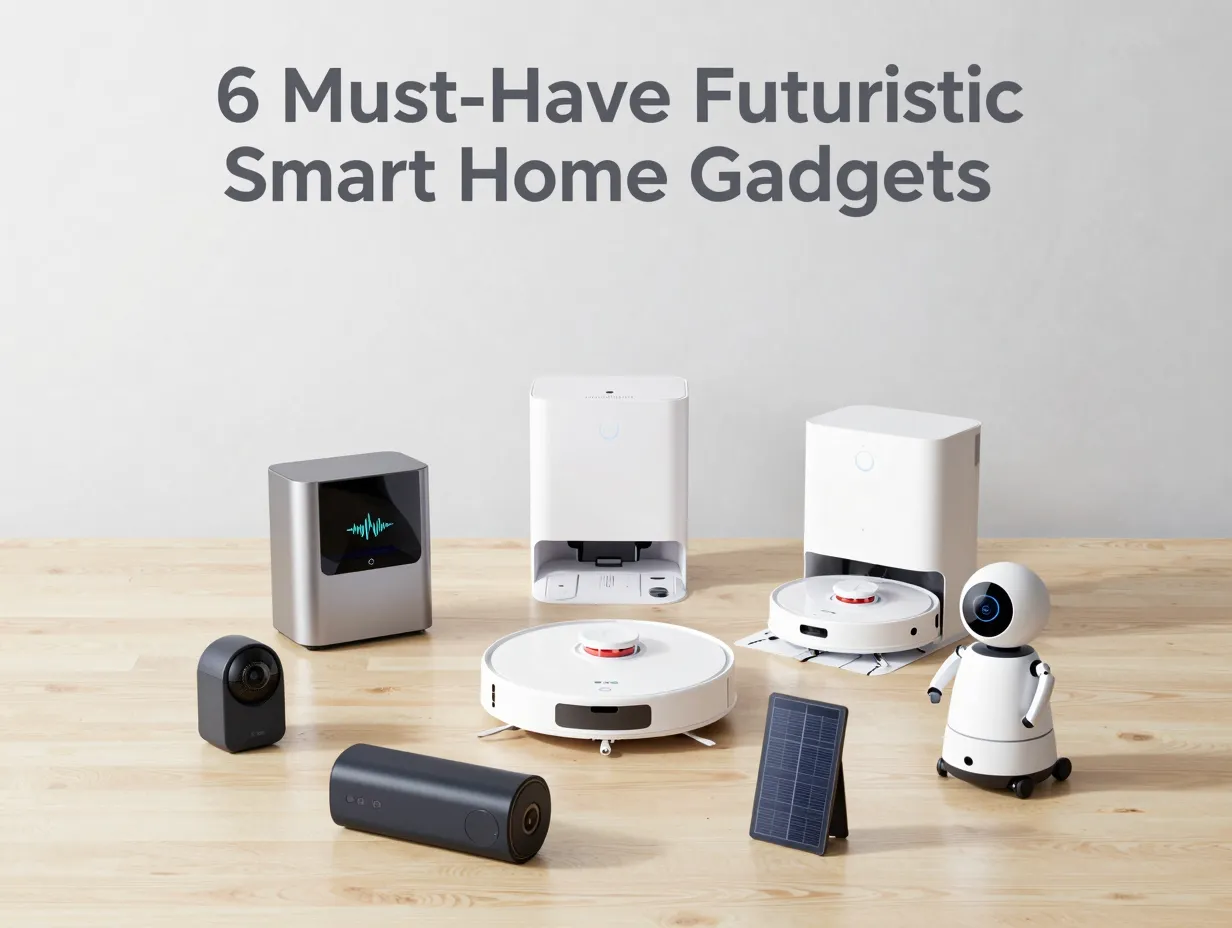
6 Must-Have Smart Gadgets for Home That Feel Like the Future
By 2026, the median price of newly launched smart home products has climbed to nearly $650 per device, a clear signal that consumers are no longer settling for basic automation [4]. The market has shifted from simple voice-controlled bulbs to AI-orchestrated ecosystems, Matter-ready hardware, and even wheeled home robots making their first commercial deliveries. This article breaks down the 6 Must-Have Smart Gadgets for Home That Feel Like the Future, drawing on the latest product launches, expert roundups, and market data to help homeowners make informed, forward-looking decisions in 2026.
Disclosure: This post contains affiliate links. As an Amazon Associate, we earn from qualifying purchases, and at no extra cost to you.
Key Takeaways
- AI-powered home platforms like LG ThinQ Claw are turning individual appliances into coordinated, intelligent ecosystems [9]
- Matter protocol support is rapidly becoming the standard for interoperability, with 45.5% of July 2026 launches supporting it [4]
- Robot vacuums with advanced AI and self-emptying bases dominated new product launches in mid-2026, making them a cornerstone of the automated home [4]
- Smart security devices, including video doorbells and outdoor cameras, have reached a level of intelligence and resolution that makes them genuinely futuristic [4]
- Plug-in solar systems and home batteries are now legally accessible in the UK and increasingly mainstream globally, making energy self-sufficiency a real option for ordinary households [1]
Why These 6 Must-Have Smart Gadgets for Home That Feel Like the Future Matter Right Now
The smart home category is no longer a niche hobby for early adopters. In July 2026 alone, 13 new smart home products launched, including 8 robot vacuums, a robot lawn mower, and multiple security cameras [4]. Meanwhile, platforms like Matter have pushed interoperability to the forefront, with 45.5% of July launches supporting the standard compared to just 26.1% of all tracked products in the broader catalog [4]. Budget-friendly ecosystems such as IKEA’s 2026 Matter range have made futuristic gadgets accessible to mainstream buyers, not just tech enthusiasts [10].
This convergence of AI, open standards, and falling hardware costs means 2026 is arguably the best year yet to build a genuinely smart home. The six gadgets below represent the categories where innovation is moving fastest and where the return on investment, in comfort, security, and energy savings, is most compelling.
The 6 Must-Have Smart Gadgets for Home That Feel Like the Future
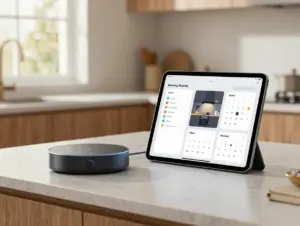
1. AI-Powered Smart Home Brain: LG ThinQ Claw and LLM Assistants
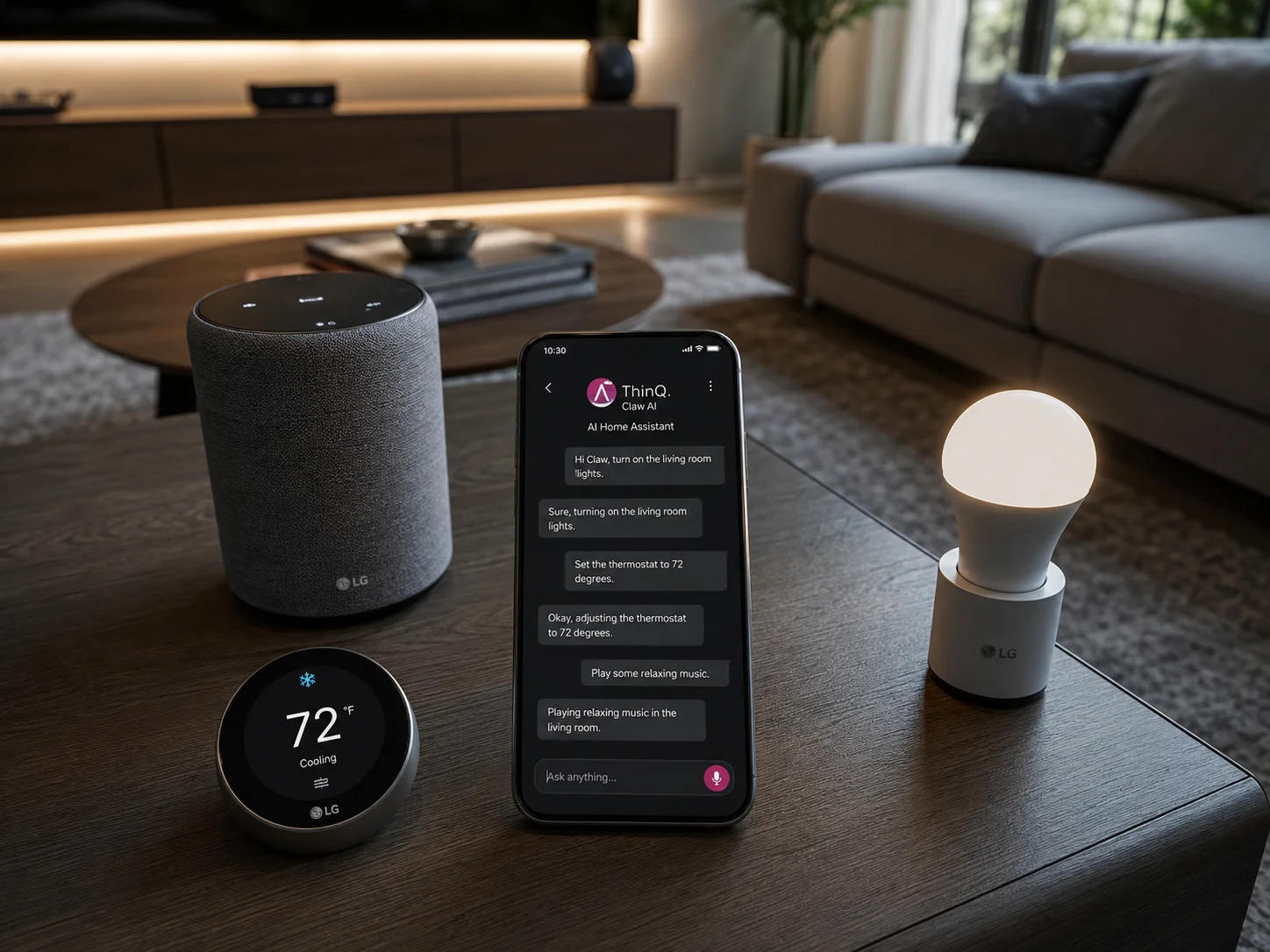
The most transformative shift in smart home technology in 2026 is not a single device, it is the emergence of an AI layer that sits above all other devices and orchestrates them intelligently.
LG’s ThinQ Claw AI Agent, unveiled at IFA 2026 on September 1, 2026, is one of the clearest examples of this trend [9]. Rather than a physical hub, ThinQ Claw is a text-based AI assistant that connects and controls LG’s full range of smart appliances across the AI Home ecosystem and the Homey platform. A ThinQ Pro variant extends this capability to multi-family and commercial buildings. Critically, LG has built a Shield security framework into the platform, addressing growing concerns about appliance-level data privacy [9].
SwitchBot has taken a parallel approach with its kata AI Assistant, embedded directly into the SwitchBot app (version 9.29 or later). Powered by a large language model, kata acts as a “smart home expert” that can answer questions, suggest automations, and control devices through natural conversation [12]. SwitchBot simultaneously launched the 3-in-1 Battery Circulator Fan 2 Pro with Matter over Wi-Fi in Europe, signaling that AI-enhanced software and Matter-ready hardware are advancing together [12].
Universal Electronics showcased QuickSet homeSense at CES 2026 as another ecosystem-level intelligence platform. Integrated into operator-grade gateways and entertainment devices, it uses context and device data to automate actions predictively, moving beyond simple rules toward a genuinely invisible smart home [15].
What to look for in an AI home brain:
- Large language model integration for natural language control
- Cross-brand device compatibility (Matter, Zigbee, Z-Wave)
- Strong data security and privacy frameworks
- Scalability from single rooms to whole buildings
2. AI-Enhanced Robot Vacuum with Self-Emptying Base
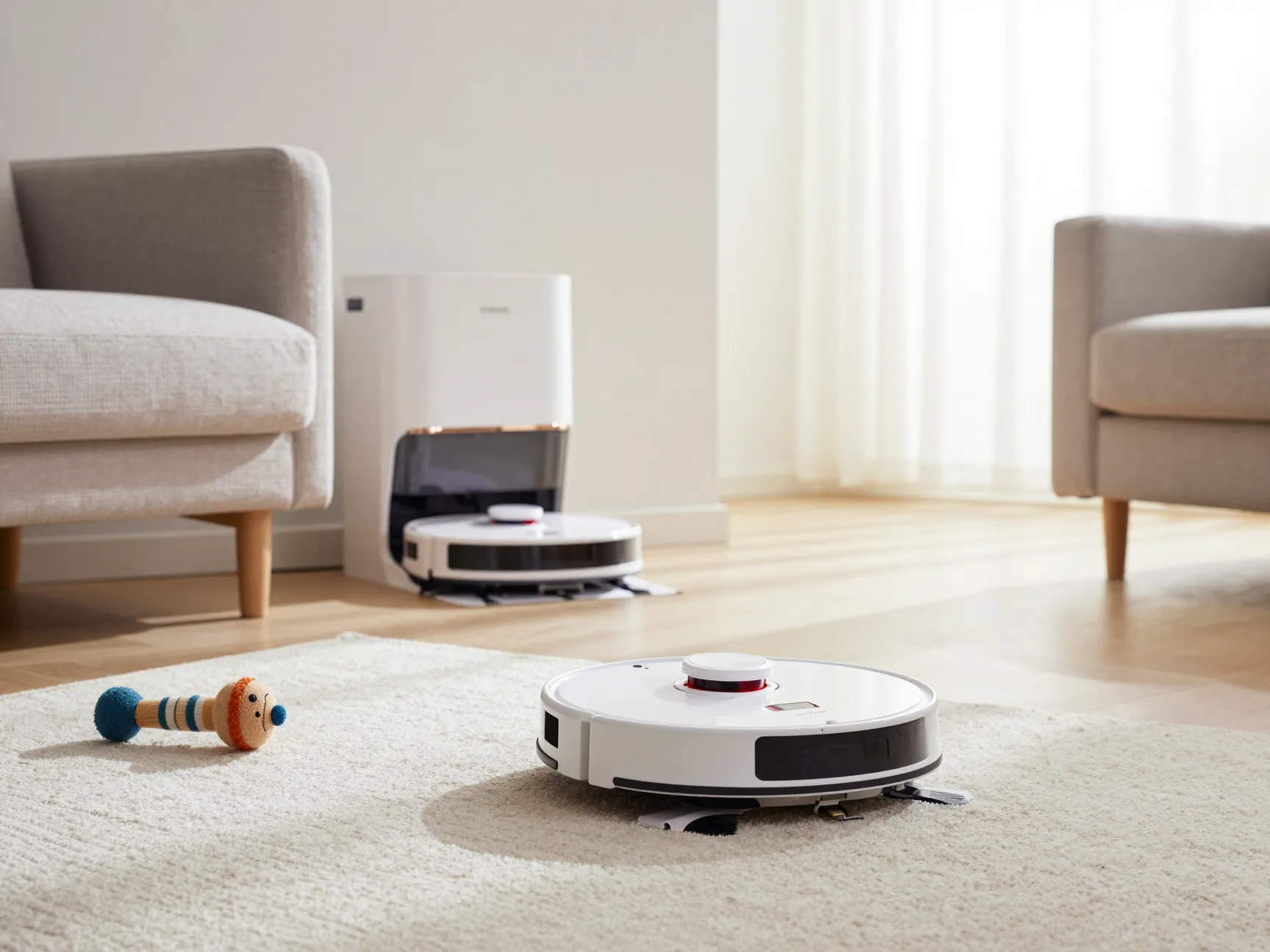
Robot vacuums have been around for years, but the 2026 generation feels genuinely different. Eight of the 13 smart home products launched in July 2026 were robot vacuums [4], and the category was a centerpiece of CES 2026 showcases.
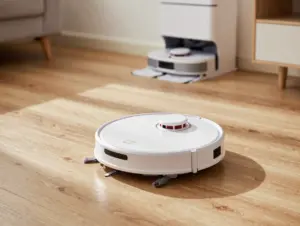
Dreame’s X60 Max Ultra Complete was one of the standout CES 2026 reveals, featuring AI-enhanced obstacle recognition, a fully automated self-emptying and self-cleaning base, and deep integration with the broader Dreame smart home ecosystem [11]. The device represents a category that has moved from novelty to necessity, with AI now capable of distinguishing between pet toys, cables, and furniture legs in real time.
“The robot vacuum category is no longer about whether the device can clean, it is about how intelligently it manages the entire floor care process without human intervention.”
For buyers evaluating options, the key differentiators in 2026 include:
| Feature | Entry-Level | Mid-Range | Premium (e.g., Dreame X60) |
|---|---|---|---|
| Obstacle AI | Basic bump sensors | Camera-based detection | Multi-sensor AI mapping |
| Base Station | Manual empty | Auto-empty | Auto-empty, wash, dry |
| Matter Support | Rare | Emerging | Increasingly standard |
| Mopping | None or basic | Vibrating pad | Pressurized, self-cleaning |
Matter support is becoming a meaningful differentiator even in this category, with 45.5% of July 2026 robot vacuum launches supporting the protocol [4]. This matters because it allows the vacuum to integrate with thermostats, door sensors, and occupancy detectors for truly automated scheduling.
3. Smart Thermostat with Hub Capabilities
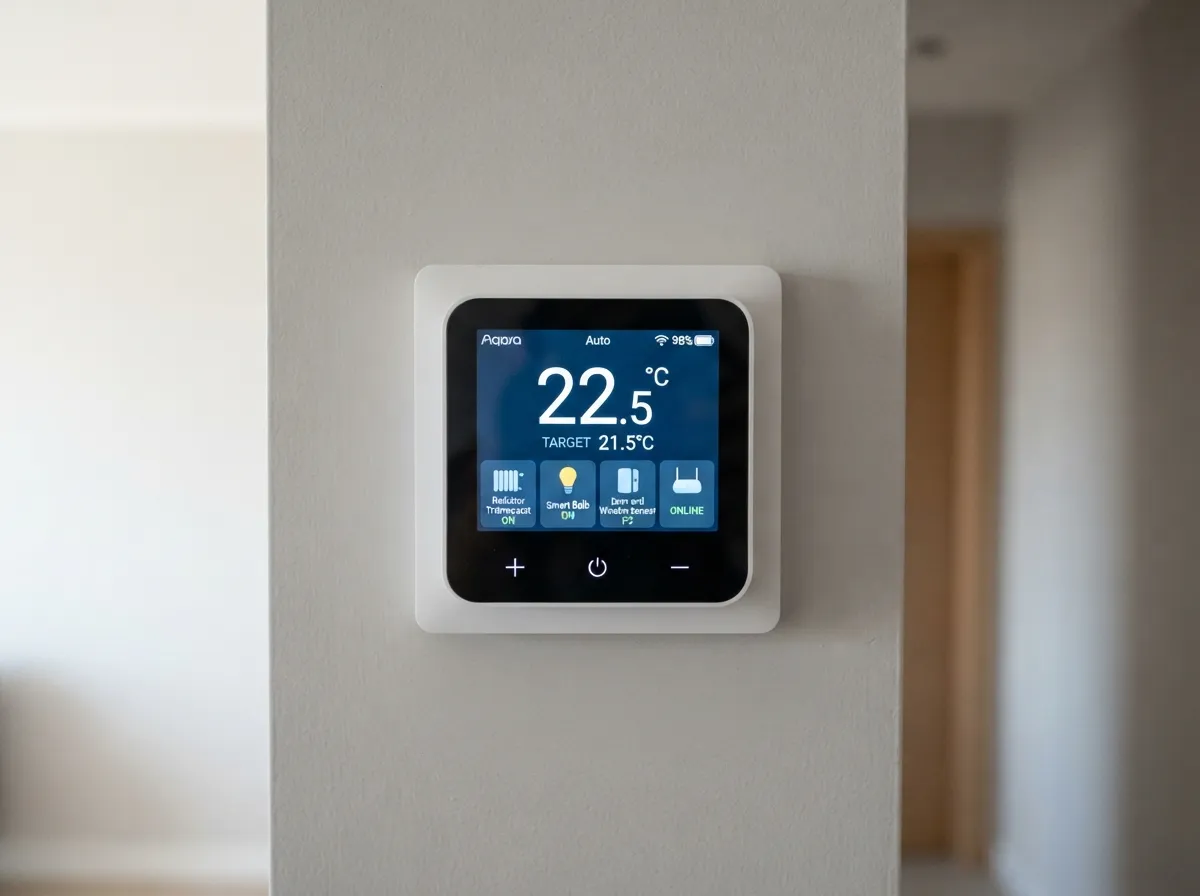
Climate control remains one of the highest-impact smart home upgrades available, and the 2026 lineup of smart thermostats has raised the bar considerably.
The Nest Learning Thermostat (4th Gen) and ecobee Smart Thermostat Premium continue to dominate expert recommendations from CNET and other mainstream outlets [5]. Both devices learn household schedules, adjust for occupancy, and integrate with broader home automation platforms. The Nest 4th Gen, in particular, has been praised for its refined AI scheduling and deep Google Home integration [5].
A notable challenger is Aqara’s Thermostat Hub W200, highlighted at CES 2026 as a device that combines smart thermostat functions with hub capabilities in a single unit [11]. This dual-function design is significant: rather than requiring a separate hub for Zigbee or Matter devices, the W200 handles both climate control and device coordination. For homeowners building a new smart home ecosystem in 2026, this kind of consolidation reduces cost and complexity.
Key features to prioritize:
- Learning algorithms that adapt to real schedules, not just programmed ones
- Matter or Thread support for ecosystem flexibility
- Energy usage reporting with actionable recommendations
- Geofencing for automatic away-mode activation
The ecobee Premium also includes a built-in air quality sensor and SmartSensor accessories for room-by-room temperature balancing, a feature that moves it beyond simple thermostat territory into whole-home climate intelligence [10].
4. Smart Security Camera and Video Doorbell
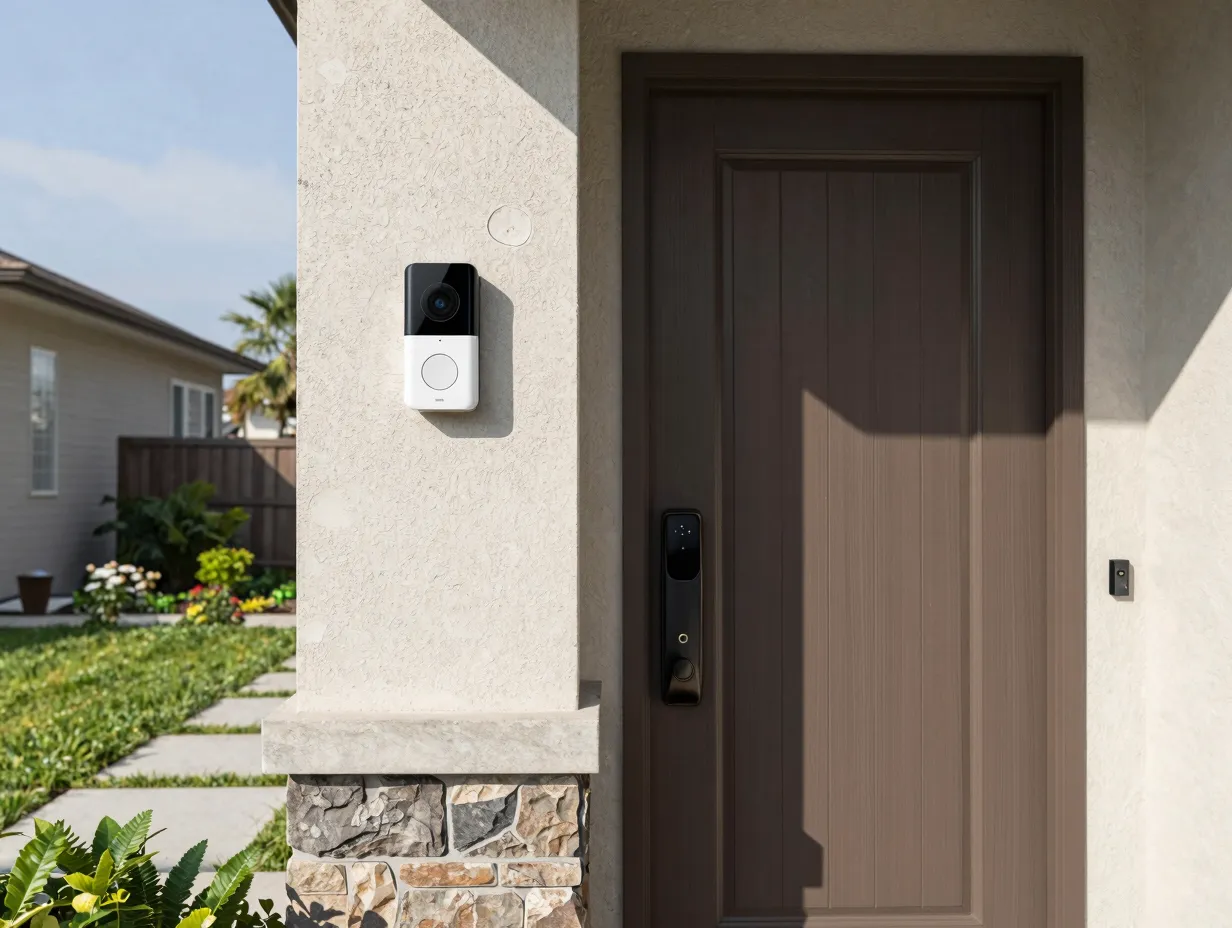
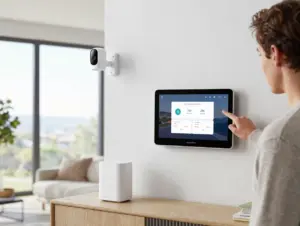
Smart security has matured from grainy motion-triggered clips to high-resolution, AI-analyzed video streams that can distinguish a delivery driver from a potential intruder. July 2026 brought a wave of notable launches in this category, including the Ring Outdoor Camera (2nd Gen), Ring Peephole Camera 2K, and Reolink Video Doorbell (2nd Gen) [4].
PCMag’s best smart home devices list for 2026 highlights the Aqara Camera Hub G5 Pro and the latest Arlo video doorbells as top-tier options for homeowners who want advanced detection and tight ecosystem integration [3]. The Aqara device is particularly notable because it combines camera functionality with a Matter hub, following the same consolidation trend seen in the thermostat category.
For indoor monitoring, the eufy Indoor Cam E220 stands out for its 2K resolution and local microSD recording, meaning footage is stored on-device without requiring a cloud subscription [10]. In a market where many competitors charge monthly fees for basic features, local storage is a meaningful differentiator.
What separates 2026 security cameras from earlier generations:
- Person, vehicle, and animal detection using on-device AI
- 2K and 4K resolution as standard in mid-range products
- End-to-end encrypted local storage options
- Seamless integration with smart locks and lighting for automated responses
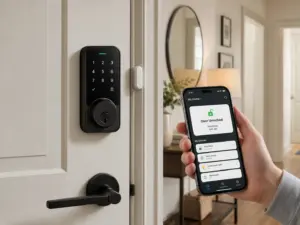
The Aqara Smart Lock U200 pairs naturally with this category, offering fingerprint entry, Matter over Thread support, and Apple Home Key compatibility in a retrofit design that fits most existing deadbolts [10]. Combining a smart lock with a video doorbell creates a complete entry management system that can verify, record, and grant or deny access automatically.
5. Plug-In Solar System and Home Battery
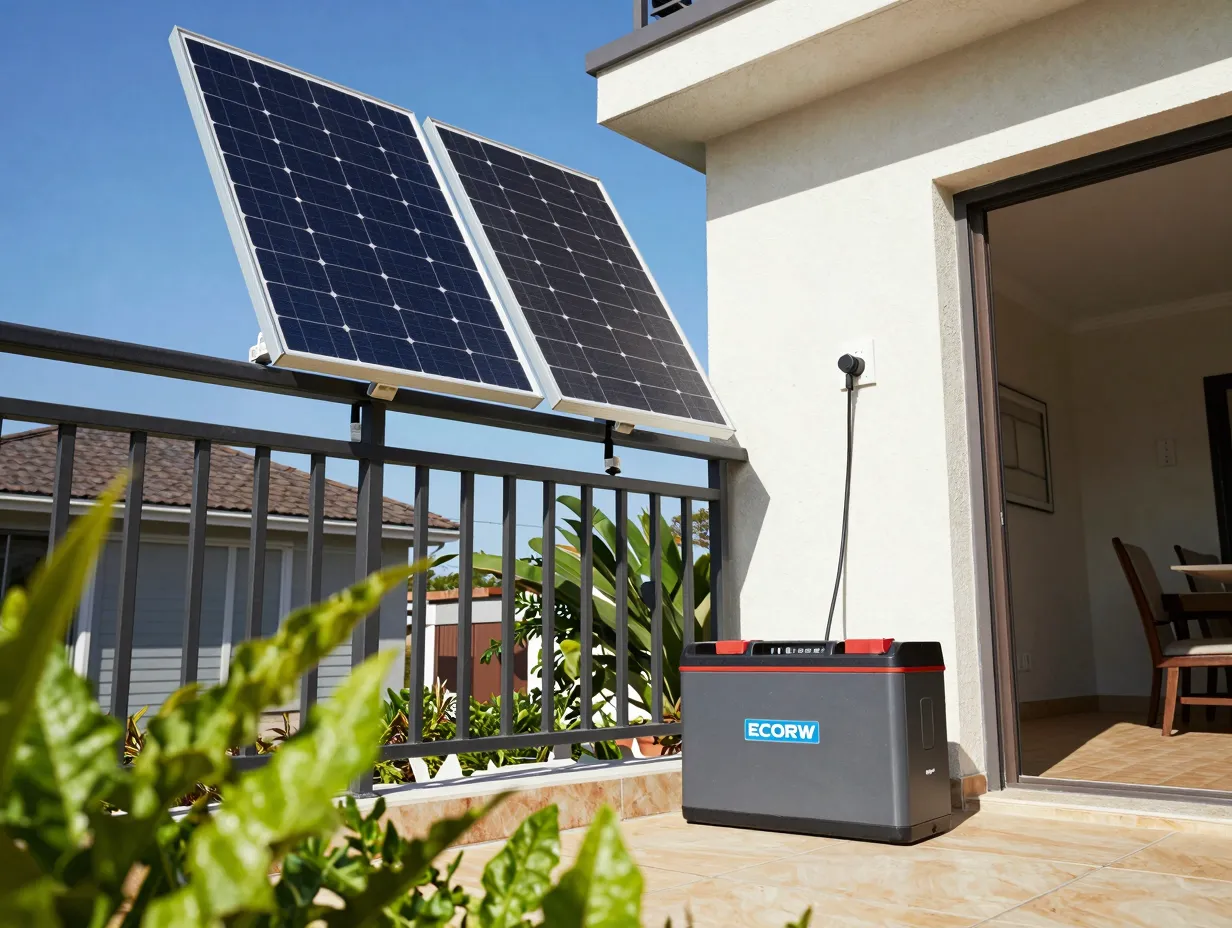
Energy self-sufficiency moved from aspiration to practical reality in August 2026 when the UK officially legalized plug-in solar systems, allowing compliant setups to connect safely to a standard household socket without rooftop installation [1]. This regulatory shift, paired with new home solar batteries from brands such as EcoFlow, makes self-generation and storage of electricity accessible to renters and homeowners alike, not just those who can afford full rooftop installations.
Plug-in solar kits typically consist of one or two compact panels (often mounted on a balcony railing or garden fence), a microinverter, and a safety-compliant plug. When paired with a home battery, excess generation during daylight hours is stored for use in the evening, reducing grid dependency without the cost or complexity of a full solar installation.
Why this category feels futuristic:
- No rooftop installation or planning permission required (in compliant markets)
- Modular design allows incremental expansion
- Smart home integration enables automatic battery charging during off-peak tariff periods
- Real-time energy monitoring through companion apps
EcoFlow’s home battery systems, highlighted in August 2026 coverage, allow homeowners to track generation, consumption, and grid import/export in real time [1]. When integrated with a smart thermostat and EV charger, the system can optimize energy use across the entire home automatically, a genuinely futuristic capability that was commercially impractical just a few years ago.
For homeowners not yet ready for a full home battery, a smart plug with energy monitoring, such as the Eve Energy (a Thread-enabled plug praised for its detailed consumption tracking), provides a useful entry point into home energy management [10].
6. Multi-Purpose Home Robot
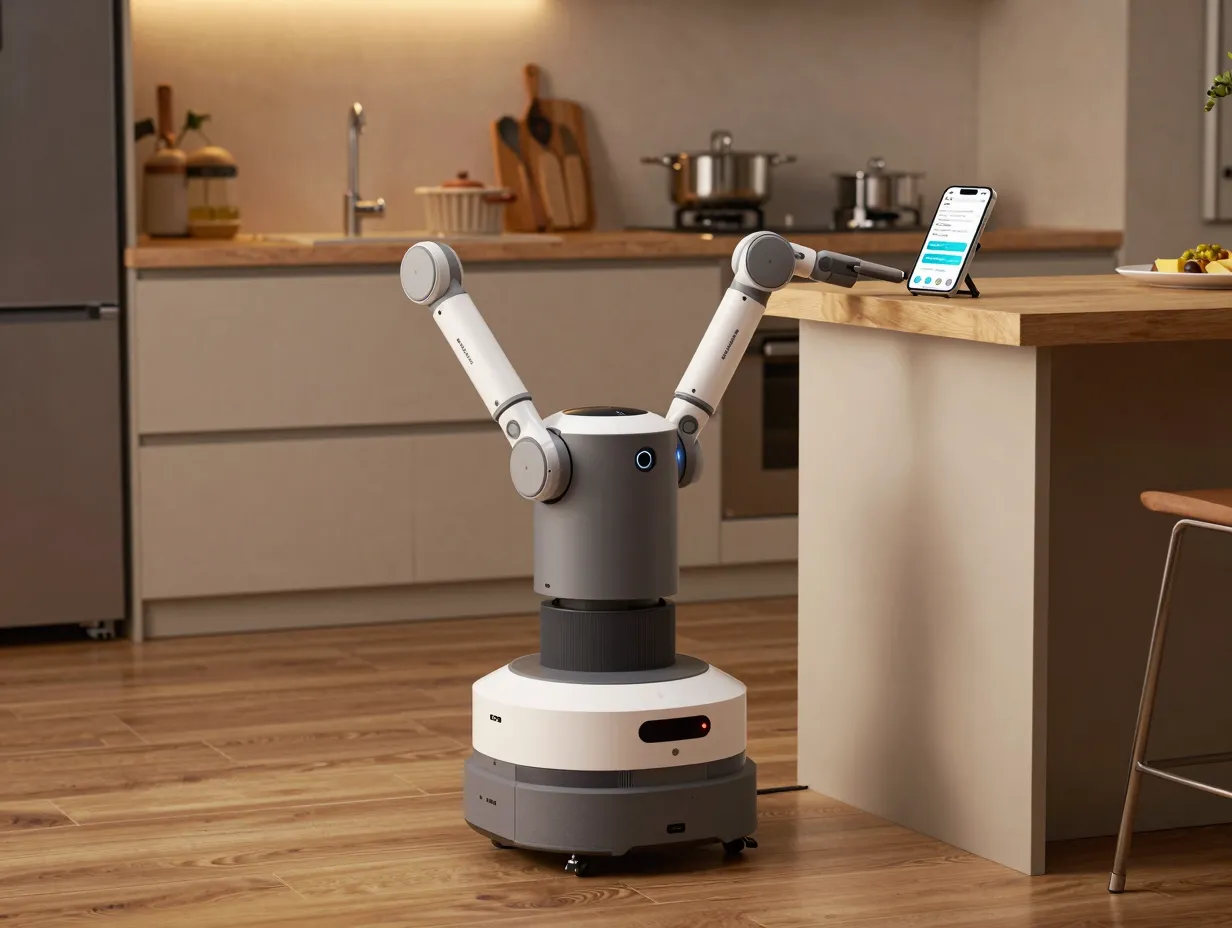
The most forward-looking entry among the 6 Must-Have Smart Gadgets for Home That Feel Like the Future is also the one closest to moving from concept to commercial reality: the multi-purpose home robot.
A late-August 2026 roundup from The Gadgeteer described a home robot platform featuring a wheeled base, two articulated arms, and a claimed eight-hour battery life [2]. First deliveries are planned for California in fall 2026, with broader U.S. availability expected through 2027 [2][6]. This is not a science fiction prototype, it is a commercially available product entering its first real-world deployment phase.
Unlike robot vacuums, which are single-purpose, multi-purpose home robots are designed to handle a range of physical tasks: fetching items, monitoring rooms, interacting with residents, and potentially operating other smart home devices directly. The integration of large language models into these platforms, similar to what SwitchBot has done with kata in software, means the robot can understand natural language instructions and adapt to household routines over time.
The near-term roadmap for home robots:
- Fall 2026: First commercial deliveries in California [2]
- 2027: Broader U.S. market availability [6]
- Beyond 2027: Apple is reportedly developing a higher-end robotic home hub with a 9-inch display as a follow-on product [8]
Apple’s broader smart home ambitions are relevant context here. A July 2026 report indicated that Apple has three new smart home products nearly ready to launch, including a new Apple TV, an updated HomePod mini, and a more ambitious smart home hub with a display [8]. Analysts expect a robotic home hub to follow, reinforcing that the world’s most valuable consumer technology company sees home robots as a core product category, not a niche experiment.
“The question for home robots is no longer whether they will become mainstream, it is which platform will define the category the way the iPhone defined the smartphone.”
For early adopters, the current generation of home robots offers a genuine glimpse of what daily life will look like within a decade. For more cautious buyers, watching the California rollout and waiting for 2027 availability is a reasonable strategy that still positions them ahead of the mass market.
How to Choose the Right Smart Gadgets for Your Home in 2026
With so many options available, prioritization matters. The following framework helps homeowners decide where to start:
Step 1, Identify the highest-friction pain point. Is it energy bills, security concerns, cleaning time, or climate inconsistency? Start with the gadget that solves the most pressing problem.
Step 2, Check ecosystem compatibility. Before buying, verify that the device supports Matter, Thread, or the specific hub already in use. This prevents the “walled garden” problem where devices from different brands cannot communicate.
Step 3, Consider the total cost of ownership. Some devices (particularly security cameras) carry ongoing subscription fees for cloud storage or AI features. Local storage alternatives like the eufy Indoor Cam E220 can eliminate these costs [10].
Step 4, Start with a hub. Whether it is the Google TV Streamer (4K) with Matter and Thread support, the HomePod mini as an Apple Home hub, or the Aqara W200 as a thermostat-hub hybrid, a capable hub makes every subsequent device more useful [10][11].
Step 5, Plan for interoperability. IKEA’s 2026 Matter range demonstrates that budget-friendly devices can participate in sophisticated automations when built on open standards [10]. Mixing premium and budget devices is entirely viable when Matter is the common language.
Conclusion
The 6 Must-Have Smart Gadgets for Home That Feel Like the Future are not distant concepts, they are shipping products available in 2026. From LG’s ThinQ Claw AI Agent orchestrating entire appliance ecosystems [9] to plug-in solar systems that legally connect to a standard wall socket in the UK [1], the gap between science fiction and the hardware store shelf has never been smaller.
Actionable next steps for homeowners in 2026:
- Audit the current home ecosystem and identify compatibility gaps before purchasing new devices.
- Prioritize Matter-compatible products to ensure long-term interoperability as the standard continues to grow.
- Start with a smart thermostat or AI robot vacuum for the fastest measurable return on investment in comfort and time savings.
- Add a video doorbell and smart lock combination for a complete, AI-enhanced entry security system.
- Explore plug-in solar options if energy costs are a priority, the regulatory and hardware landscape has made this more accessible than ever.
- Monitor the home robot category closely: with first deliveries beginning in fall 2026, early adopters have a genuine opportunity to get ahead of the next major platform shift.
The future of the home is not a single breakthrough device. It is a coordinated ecosystem of intelligent, interoperable gadgets that learn, adapt, and work together, and that future is available to buy right now.
References
[1] Smart Home Launches August 2026 – https://www.t3.com/home-living/smart-home/smart-home-launches-august-2026
[2] Personal Smart Home Tech Products You May Have Missed – https://the-gadgeteer.com/2026/08/23/personal-smart-home-tech-products-you-may-have-missed/
[3] The Best Smart Home Devices – https://www.pcmag.com/picks/the-best-smart-home-devices
[4] Smart Home Launches July 2026 – https://www.t3.com/home-living/smart-home/smart-home-launches-july-2026
[5] Best Smart Home Devices – https://www.cnet.com/home/smart-home/best-smart-home-devices/
[6] Gadget Launches You Missed This Summer – https://the-gadgeteer.com/2026/08/14/gadget-launches-you-missed-this-summer/
[8] Apple Has Three New Smart Home Products Nearly Ready To Launch Per Report – https://9to5mac.com/2026/07/28/apple-has-three-new-smart-home-products-nearly-ready-to-launch-per-report/
[9] LG Unveils ThinQ Claw AI Agent For Connected Home Platform – https://itbrief.co.uk/story/lg-unveils-thinq-claw-ai-agent-for-connected-home-platform
[10] The Best Smart Home Gadgets For 2026 – https://www.itechguides.com/the-best-smart-home-gadgets-for-2026/