6 Innovative Asian Smart Home Gadgets You Need to Know About
Asia accounts for more than 40 percent of global smart home device shipments, and that share is growing every year. Behind that number is a wave of hardware innovation coming out of China, South Korea, and Japan that is quietly reshaping how people live at home worldwide. The 6 Innovative Asian Smart Home Gadgets You Need to Know About in this guide are not just incremental upgrades, they represent a genuine leap in what affordable, connected home technology can do in 2026.
Disclosure: This post contains affiliate links. As an Amazon Associate, we earn from qualifying purchases, and at no extra cost to you.
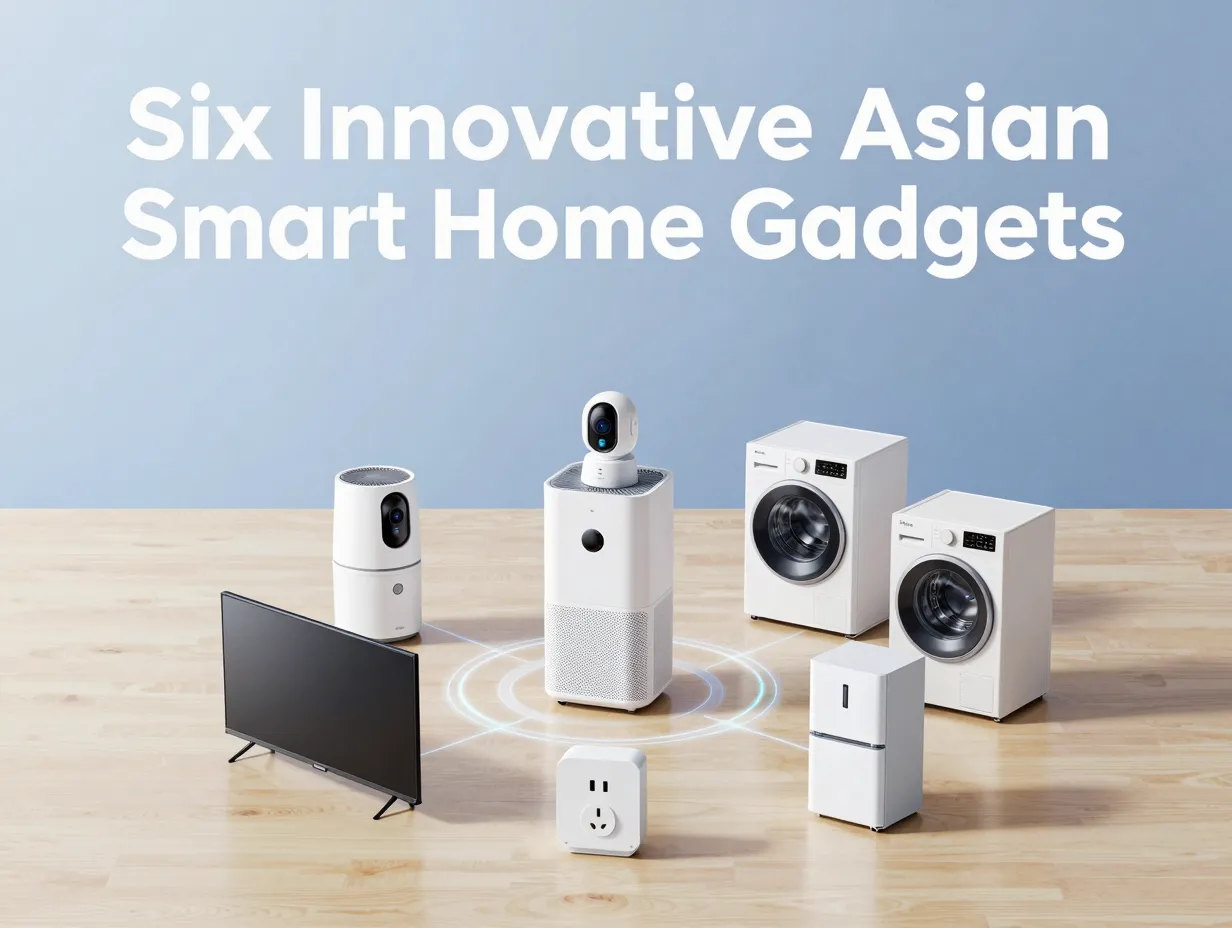
From AI-driven air purifiers to plug-and-play Matter-ready devices that work with every major platform, these products are redefining the smart home category. Whether someone is building a connected home from scratch or looking to upgrade a single room, the devices below deserve serious attention.
Key Takeaways
- Asian manufacturers, led by Xiaomi, Samsung, LG, Hisense, and TCL, are setting the pace for smart home innovation globally in 2026.
- Ecosystem integration, where multiple devices from the same brand coordinate automatically, is now a standard feature, not a premium one.
- Matter and Thread compatibility is making Chinese OEM devices more interoperable than ever before.
- Aggressive e-commerce pricing means consumers can access high-specification smart home hardware at a fraction of Western brand prices.
- Regulatory changes in China’s IoT sector and upcoming showcases like IFA 2026 are expected to further accelerate product development and global availability.
Why Asian Smart Home Gadgets Are Dominating 2026
The smart home market is no longer driven by Silicon Valley. In 2026, the most compelling hardware is arriving from Asia, and the reasons are structural. Asian manufacturers have vertically integrated supply chains, massive domestic testing markets, and a willingness to price aggressively for global share. Expert round-ups and consumer guides increasingly treat Asian devices as the default smart home recommendation rather than a budget alternative [3].
Xiaomi’s AIoT platform alone spans hundreds of device categories, and the company’s July 2026 product launches in South Korea demonstrated how quickly it can bring high-specification hardware to new markets [1]. Meanwhile, Samsung and LG continue to push AI-driven appliances that learn household routines and optimize energy use automatically. Hisense and TCL have moved beyond televisions into whole-home AI coordination platforms that rival anything available from Western brands [7].
The result is a buyer’s market for smart home technology. Consumers who look beyond familiar Western brands will find devices that offer more features, better integration, and lower prices, often available through platforms like Alibaba and AliExpress with Matter-ready compatibility that works seamlessly with Apple Home, Google Home, and Amazon Alexa [8].
The 6 Innovative Asian Smart Home Gadgets You Need to Know About
The devices below were selected based on their technological innovation, ecosystem depth, value proposition, and real-world impact on daily home life. Each one represents a category where Asian manufacturers have moved decisively ahead of the global competition.
1. Xiaomi AIoT Smart Security Cameras
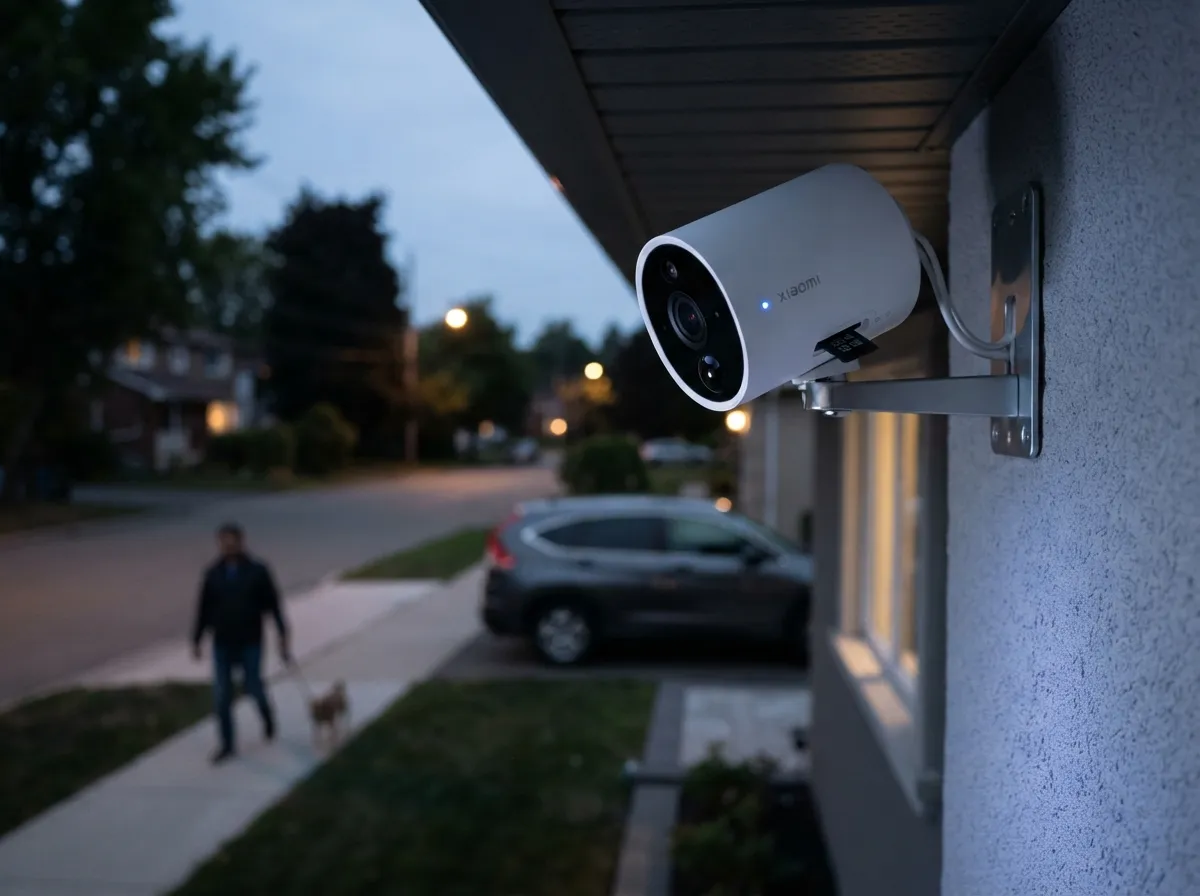
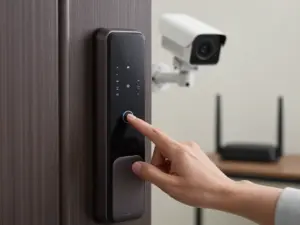
Xiaomi’s July 2026 AIoT camera lineup is one of the most significant home security releases of the year. Launched across multiple Asian markets including South Korea, these cameras combine high-resolution imaging with on-device AI processing that can distinguish between people, animals, and vehicles without requiring a cloud subscription [1].
Key specifications at a glance:
| Feature | Detail |
|---|---|
| Resolution | Up to 4K with night vision |
| AI Detection | Person, pet, vehicle classification |
| Storage | Local microSD plus optional cloud |
| Connectivity | Wi-Fi 6, Mijia app integration |
| Price Range | Highly competitive vs. Western equivalents |
What sets these cameras apart is their integration with the broader Xiaomi Mijia ecosystem. A motion alert from the camera can automatically trigger smart lights, lock a smart door, or send a notification through the Mijia app, all without manual configuration. For users already in the Xiaomi ecosystem, the setup time is measured in minutes rather than hours [2].
The cameras also support Matter protocol, meaning they can be added to Apple Home or Google Home alongside other brand devices. This cross-platform flexibility is a major reason why tech reviewers are increasingly recommending Xiaomi security hardware as a default choice for new smart home setups [7].
“Asian smart home devices are no longer the budget option, they are the benchmark.”
2. Mijia Smart Air Purifier 6
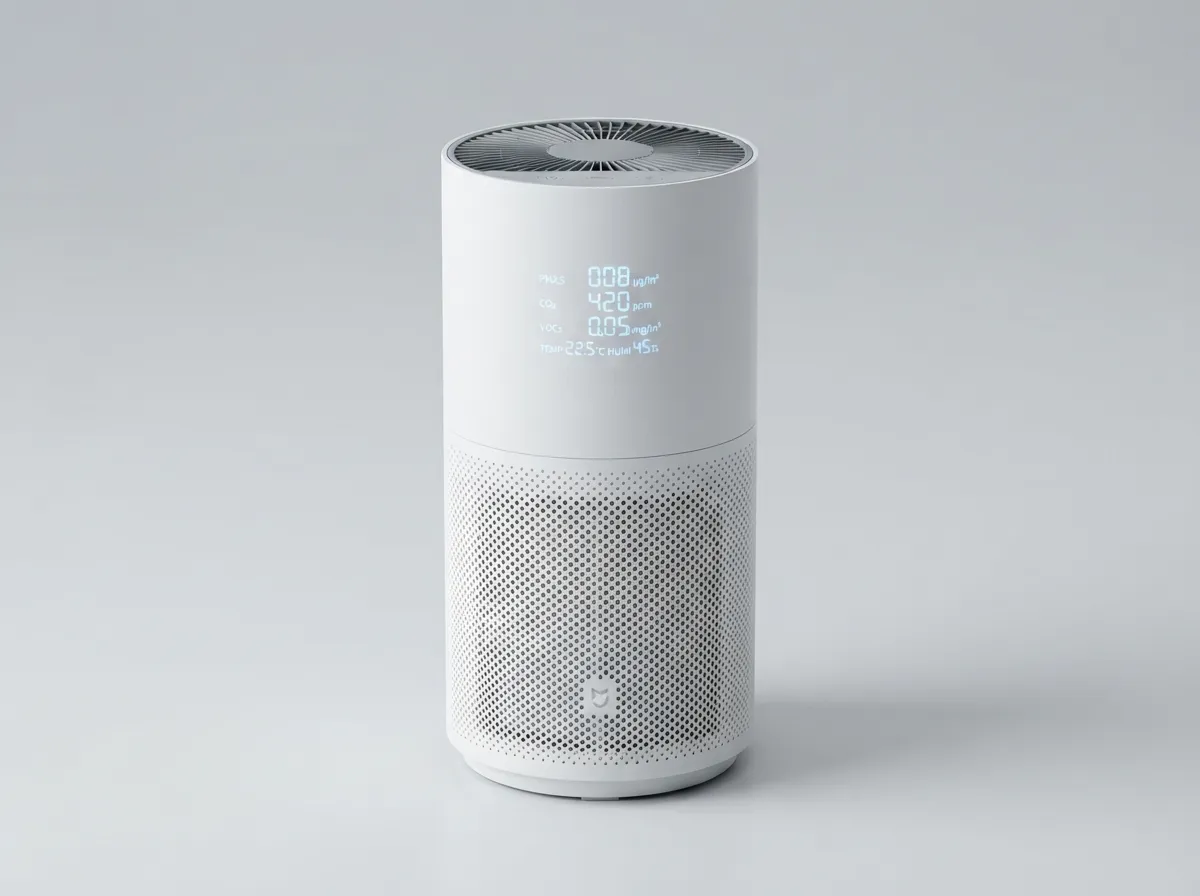
Indoor air quality is a growing health priority across Asia, and the Mijia Smart Air Purifier 6 addresses it with a level of sensor sophistication that was previously found only in medical-grade equipment. The device features a multi-sensor array that tracks PM2.5 particulates, CO2 levels, volatile organic compounds (VOCs), temperature, and humidity simultaneously, displaying all readings in real time on the device and in the Mijia app [2].
Why this matters:
- Most competing purifiers track only one or two air quality metrics.
- The Mijia 6 adjusts fan speed automatically based on the worst reading, not just a single sensor.
- Historical air quality data is stored in the app, allowing users to identify patterns, for example, cooking-related VOC spikes or overnight CO2 buildup.
The purifier’s HEPA H13 filter handles particles down to 0.3 microns, and the device provides a filter-life estimate based on actual usage and air quality data rather than a fixed timer. This reduces unnecessary filter replacements and lowers the total cost of ownership over time.
Integration with the Mijia ecosystem means the purifier can work in concert with smart windows, HVAC systems, and other Xiaomi devices. When CO2 levels rise above a set threshold, for example, it can trigger a compatible smart ventilation system to open automatically. This kind of multi-device coordination is what separates genuine smart home ecosystems from collections of disconnected gadgets [2].
3. Xiaomi TV S Mini LED Series 2026
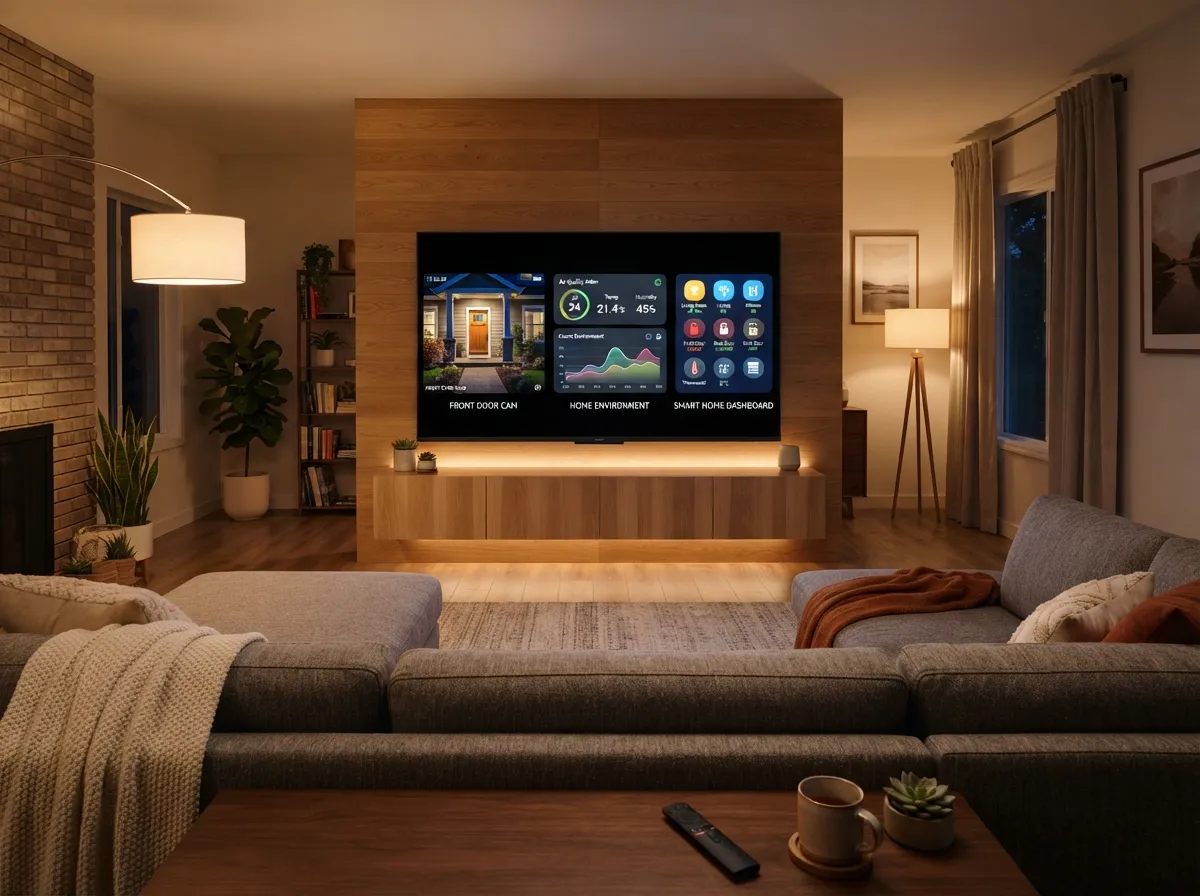
The television has always been the center of the living room, but Xiaomi’s TV S Mini LED Series 2026 repositions it as the central hub of the entire smart home. Running on a custom version of Android TV with deep Mijia integration, the TV can display live feeds from Xiaomi security cameras, show real-time air quality readings from connected purifiers, and control other smart devices through an on-screen interface, all without switching apps [2].
Smart home hub features:
- Native Xiaomi Mijia device dashboard accessible from the TV remote
- Voice control via Xiaomi AI assistant and Google Assistant
- Matter and Thread support for cross-brand device control
- Screen-sharing and multi-view for camera feeds
The Mini LED panel itself delivers exceptional picture quality, with local dimming zones that produce deep blacks and vivid highlights. But the hardware story is secondary to the ecosystem story. Xiaomi is positioning this TV as the visual command center for a fully connected home, and the execution is compelling [1].
For households that have already invested in Xiaomi smart home products, the TV S Mini LED Series 2026 is the logical centerpiece. For those new to the ecosystem, it serves as an accessible entry point that demonstrates what coordinated smart home living actually looks like in practice.
4. Mijia Smart Washer-Dryer Combo
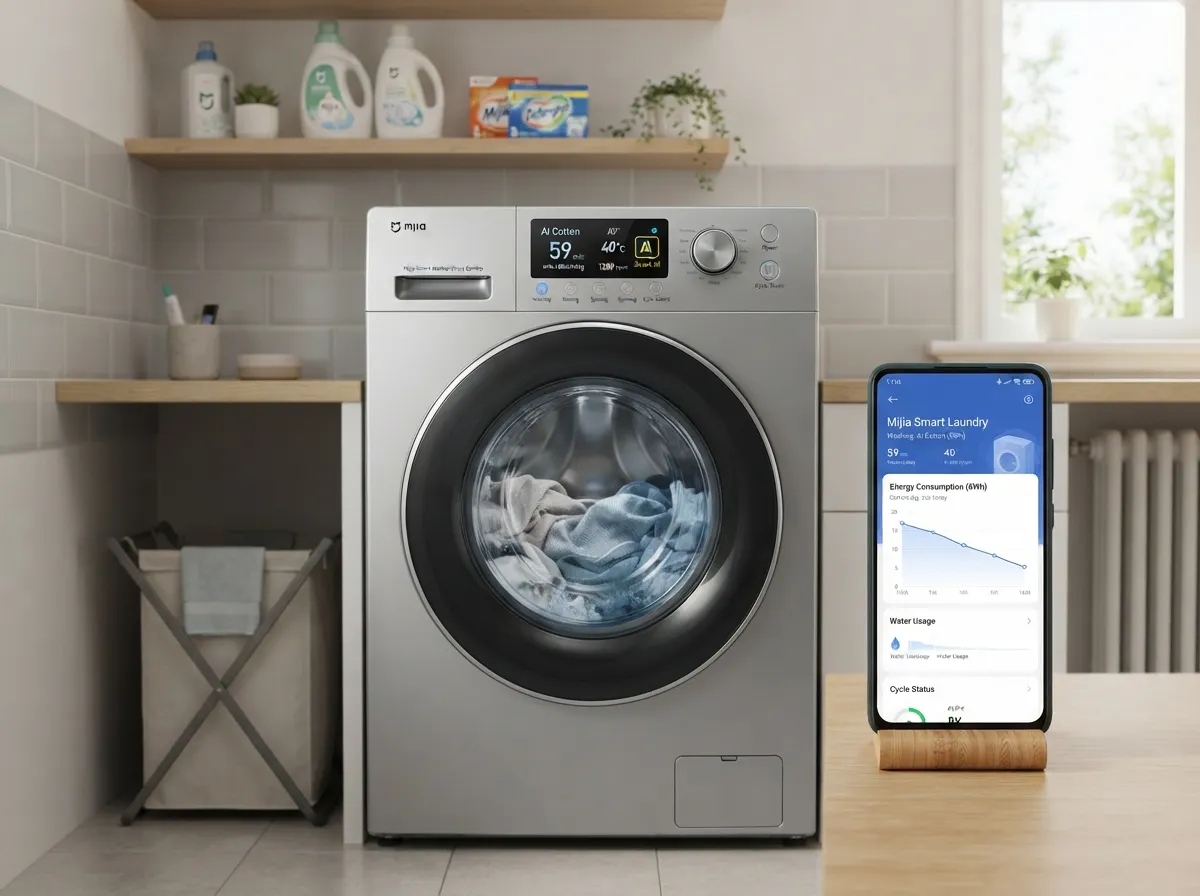
Xiaomi’s expansion of the Mijia appliance range into Europe and Asia includes a smart washer-dryer combo that brings genuine AI functionality to laundry, a category that has historically lagged behind other smart home segments. The device uses sensors to detect fabric type, load weight, and soil level, then selects the optimal wash cycle automatically [10].
Standout features:
- AI fabric detection adjusts water temperature and spin speed per load
- Remote start and monitoring via Mijia app
- Energy usage tracking with monthly consumption reports
- Integration with Xiaomi home energy management systems
The washer-dryer connects to the Mijia app, allowing users to start, pause, or monitor cycles remotely. Notifications alert the user when a cycle is complete or if an error is detected. The energy tracking feature is particularly useful, the app breaks down electricity consumption by appliance, helping households identify where savings can be made [10].
Xiaomi’s decision to bring the full Mijia ecosystem to European markets signals confidence that the brand’s integrated approach has global appeal, not just regional relevance. The washer-dryer is a strong example of how the company is moving beyond consumer electronics into the full-home appliance category [10].
5. Samsung AI Washing Machines and LG Smart Refrigerators
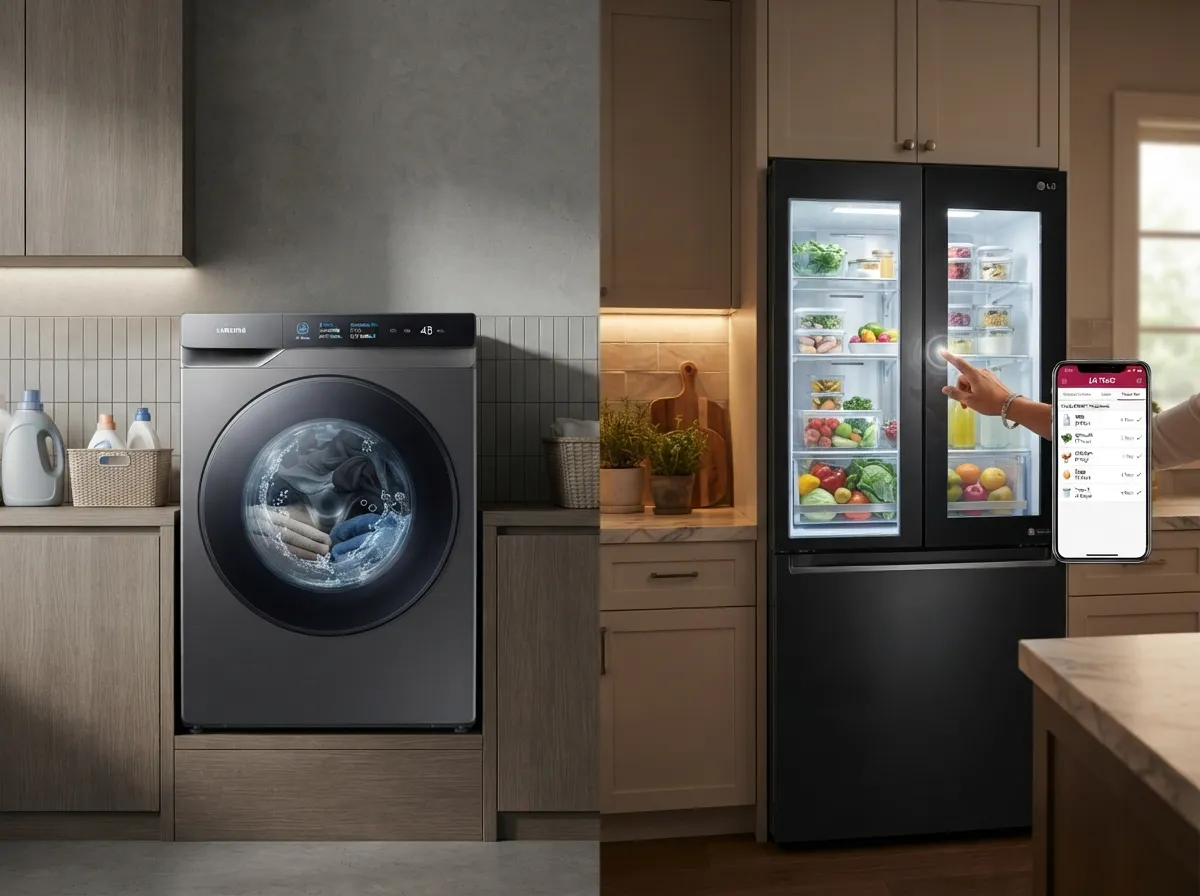
Samsung and LG represent the premium tier of Asian smart home appliances, and their August 2026 releases demonstrate that AI integration is now a standard feature rather than a marketing add-on. Samsung’s AI washing machines use machine learning to analyze laundry habits over time, predicting the best wash settings for recurring load types and reducing detergent waste by up to 20 percent [9].
LG’s smart refrigerators take a different approach, focusing on food management rather than energy optimization. The InstaView door-in-door design includes interior cameras that allow users to check refrigerator contents from a smartphone while grocery shopping. AI-powered food recognition can identify items, track expiry dates, and suggest recipes based on what is available [3].
Comparison of flagship features:
| Brand | Device | AI Feature | Ecosystem |
|---|---|---|---|
| Samsung | AI Washing Machine | Habit learning, auto-dose | SmartThings |
| LG | Smart Refrigerator | Food recognition, expiry tracking | LG ThinQ |
Both brands integrate deeply with their respective smart home platforms, Samsung SmartThings and LG ThinQ, which coordinate devices across the home. A Samsung SmartThings routine can, for example, delay the washing machine start time to coincide with off-peak electricity rates, saving money automatically [9].
The premium pricing of Samsung and LG products is offset by the depth of their AI capabilities and the maturity of their ecosystems. For consumers who want appliances that genuinely learn and adapt, these brands remain the benchmark in the Asian smart home market.
6. SwitchBot and Matter-Ready Chinese OEM Devices
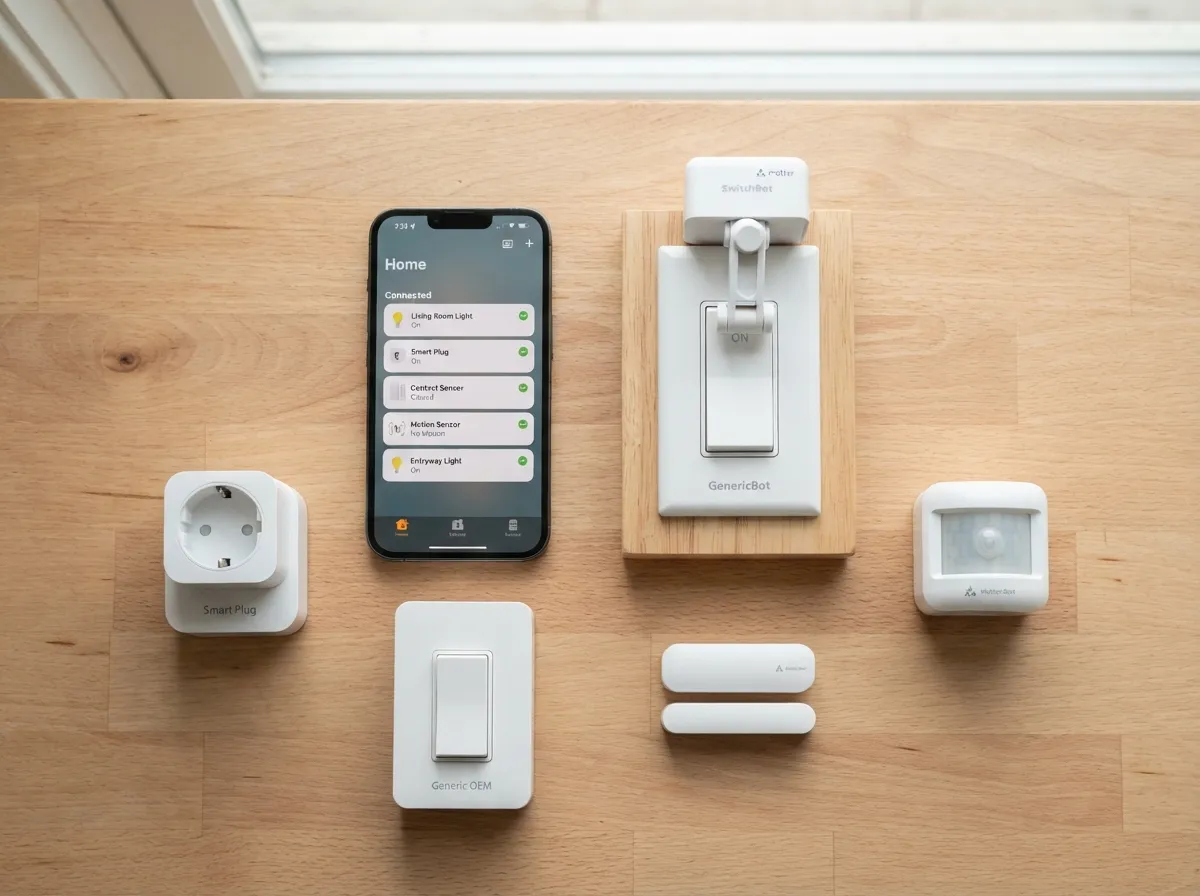
Not every innovative Asian smart home gadget requires a large brand name. SwitchBot has built a global following by solving a specific problem elegantly: making non-smart devices smart without replacing them. The SwitchBot Bot, for example, is a small robotic arm that physically presses any button or switch on command, controlled via Bluetooth and the SwitchBot app [7].
The broader category of Matter and Thread-ready Chinese OEM devices available through Alibaba and AliExpress represents one of the most significant shifts in the smart home market in 2026. These devices, ranging from smart plugs and sensors to light switches and door locks, are manufactured to the Matter standard, meaning they work natively with Apple Home, Google Home, Amazon Alexa, and Samsung SmartThings without any additional configuration [8].
What makes Matter-ready OEM devices compelling:
- Plug-and-play setup with any major smart home platform
- No proprietary hub required
- Competitive pricing, often 50 to 70 percent below Western equivalents
- Wide variety of form factors and use cases
SwitchBot’s July 2026 product launches received coverage in major tech publications alongside devices from much larger brands, reflecting the growing recognition that innovation in the smart home space is not restricted to household names [7]. The SwitchBot Hub 2, for instance, acts as a central controller for all SwitchBot devices while also bridging them to Matter-compatible platforms, making it a versatile addition to any smart home setup.
For consumers who want to build a smart home incrementally without committing to a single ecosystem, SwitchBot and similar Asian OEM brands offer the most flexible and cost-effective path available in 2026 [8].
How to Choose the Right Asian Smart Home Gadget
With so many options available, selecting the right device requires a clear framework. The table below outlines the key decision factors.
| Priority | Best Choice | Why |
|---|---|---|
| Ecosystem depth | Xiaomi Mijia | Widest range of integrated devices |
| Premium AI appliances | Samsung / LG | Most advanced machine learning features |
| Cross-platform flexibility | SwitchBot / Matter OEMs | Works with all major platforms |
| Air quality focus | Mijia Air Purifier 6 | Best multi-sensor tracking |
| Whole-home coordination | Hisense ConnectLife / TCL | Multi-appliance AI management |
| Budget-first approach | AliExpress Matter devices | Lowest cost, high compatibility |
Three questions to ask before buying:
- Does the device work with the smart home platform already in use (Apple Home, Google Home, etc.)?
- Is there a local processing option, or does the device require constant cloud connectivity?
- What is the manufacturer’s track record for software updates and long-term support?
Regulatory shifts in China’s IoT sector are also worth monitoring. New data localization and security standards being implemented in 2026 are pushing manufacturers to improve on-device processing and reduce reliance on external servers, a trend that benefits consumers concerned about privacy [5].
What to Expect Next: IFA 2026 and Beyond
Xiaomi’s confirmed presence at IFA 2026 is expected to showcase an integrated AI smart home ecosystem that goes further than any previous product announcement. Industry observers anticipate new device categories, deeper AI coordination between appliances, and expanded Matter support across the entire Mijia lineup [1].
Hisense’s ConnectLife platform and TCL’s “AI smart life” initiative are also expected to receive major updates, with both companies positioning themselves as whole-home AI coordinators rather than single-product manufacturers [7]. The competitive pressure from these brands is accelerating innovation across the entire sector.
E-commerce dynamics are reinforcing this momentum. Asian smart home devices are competing aggressively on value through platforms like Alibaba and AliExpress, with promotional pricing making high-specification hardware accessible to a global audience that previously could not justify the cost of smart home investment [6] [8].
Conclusion
The 6 Innovative Asian Smart Home Gadgets You Need to Know About in this guide represent the leading edge of a global shift in how smart homes are built and experienced. From Xiaomi’s AIoT cameras and Mijia air purifiers to Samsung’s AI appliances and SwitchBot’s universal compatibility solutions, Asian manufacturers are delivering more innovation per dollar than any other region in the world.
Actionable next steps for readers:
- Audit the current home setup and identify the single biggest pain point, security, air quality, energy use, or convenience.
- Check compatibility with the existing smart home platform before purchasing any new device.
- Explore Matter-ready devices on Alibaba or AliExpress for budget-friendly entry points into the ecosystem.
- Follow Xiaomi’s IFA 2026 announcements for the next wave of Mijia ecosystem devices.
- Consider starting with a SwitchBot hub to bridge existing non-smart devices before committing to full replacements.
The smart home market is moving fast, and the brands driving it forward in 2026 are overwhelmingly Asian. The devices covered here are not just worth knowing about, they are worth buying.
References
[1] Xiaomi Launches Five New Aiot Products In Korea – https://en.sedaily.com/finance/2026/07/24/xiaomi-launches-five-new-aiot-products-in-korea
[2] 5 Xiaomi Smart Home Devices That Stand Out In 2026 – https://the-gadgeteer.com/2026/04/13/5-xiaomi-smart-home-devices-that-stand-out-in-2026/
[3] 10 Smart Home Devices To Give Your Home A Tech Boost – https://thebeat.asia/singapore/digital/home-tech/10-smart-home-devices-to-give-your-home-a-tech-boost
[5] N510f79c8d0cc – https://note.com/hiro____note/n/n510f79c8d0cc?hl=en
[6] Best Aliexpress Deals – https://www.theblackfriday.com.ng/best-aliexpress-deals/
[7] Smart Home Launches July 2026 – https://www.t3.com/home-living/smart-home/smart-home-launches-july-2026
[8] Best Smart Home Products For 2026 Top Rated Picks On Alibaba Com – https://www.alibaba.com/product-insights/best-smart-home-products-for-2026-top-rated-picks-on-alibaba-com.html
[9] Ggfbtc6ppfag5h66q2n5r5cnpm – https://biz.chosun.com/en/en-it/2026/01/06/GGFBTC6PPFAG5H66Q2N5R5CNPM/
[10] Xiaomi Is Bringing Its Full Mijia Smart Home Ecosystem To Europe – https://www.gizchina.com/xiaomi-phones/xiaomi-is-bringing-its-full-mijia-smart-home-ecosystem-to-europe