7 Smart Closet Ideas to Automate Your Wardrobe and Storage
The average person wears only 20% of their wardrobe 80% of the time, yet closet clutter remains one of the top sources of daily stress in the home. In 2026, that imbalance no longer needs to exist. The 7 smart closet ideas to automate your wardrobe and storage explored in this guide harness artificial intelligence, connected appliances, and data-driven apps to turn a chaotic closet into a streamlined, self-managing system. Whether the goal is saving time each morning, reducing impulse purchases, or simply knowing what is actually hanging in the wardrobe, automation makes it achievable without a full renovation.
Disclosure: This post contains affiliate links. As an Amazon Associate, we earn from qualifying purchases, and at no extra cost to you.
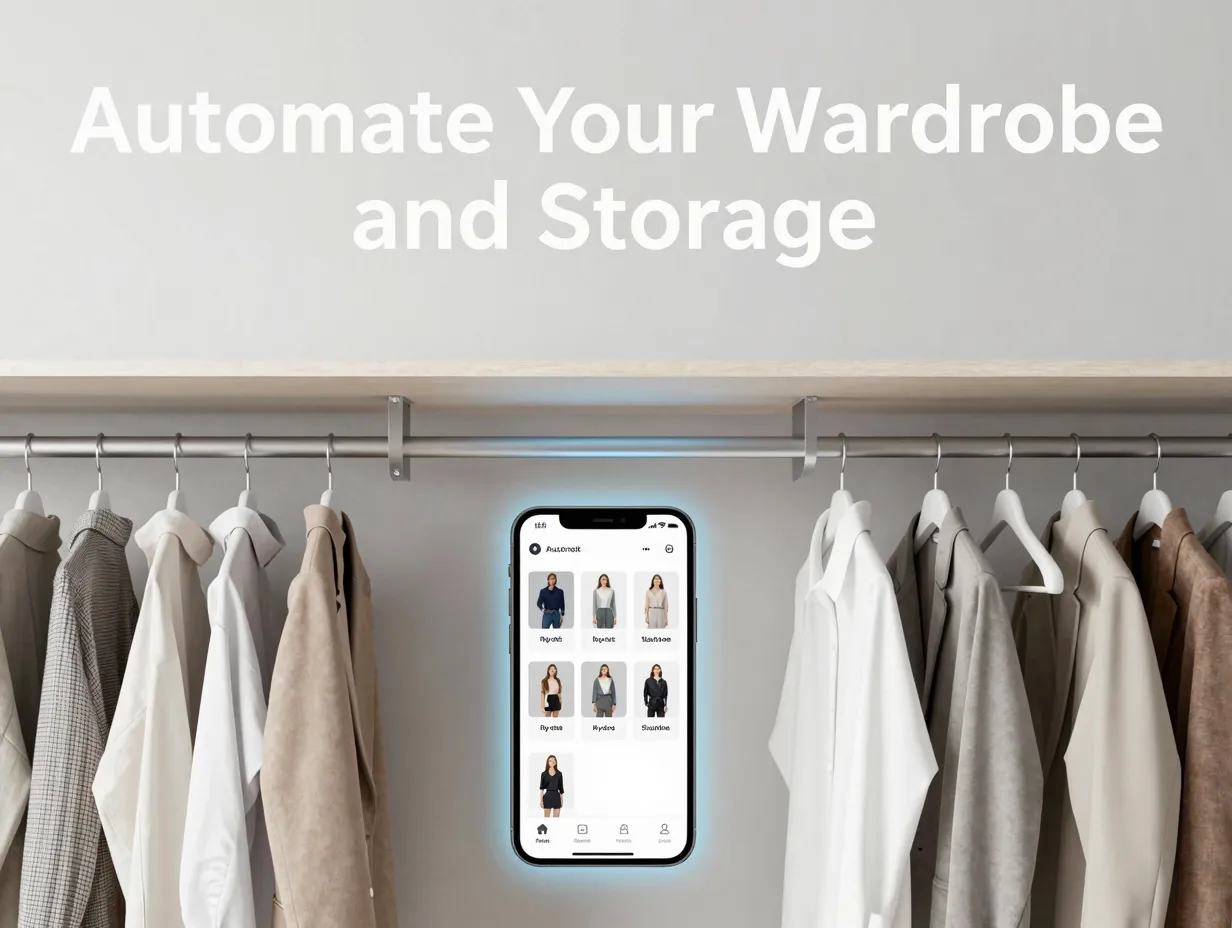
Key Takeaways
- AI-powered closet apps can catalog an entire wardrobe from a single photo, making digital inventory fast and accurate
- Smart outfit planning tools link to calendars and weather data to suggest context-aware looks automatically
- Usage analytics reveal “forgotten” items and wardrobe gaps, turning data into smarter shopping decisions
- Conversational AI stylists embedded in apps provide on-demand personalized advice without a human consultant
- Smart garment-care appliances complete the ecosystem by protecting clothing and reducing maintenance effort
Why Wardrobe Automation Is No Longer a Luxury
For years, smart closet technology sat firmly in the “nice to have” category, expensive, clunky, and reserved for tech enthusiasts. That has changed dramatically. Mature platforms now serve millions of users, and the pace of product iteration through 2025 and into 2026 has made these tools genuinely accessible [1]. The convergence of affordable AI, smartphone cameras, and cloud storage means that the barrier to entry is now little more than downloading an app.
The case for automation is also practical. A digitized wardrobe eliminates the “I forgot I owned that” problem, reduces the time spent deciding what to wear, and creates a living record that supports smarter purchasing. For households managing multiple people’s clothing, the organizational payoff is even greater. The seven ideas below move from foundational digital cataloging all the way to hardware-level smart appliances, giving a clear upgrade path regardless of starting point.
7 Smart Closet Ideas to Automate Your Wardrobe and Storage
1. Build a Digital Wardrobe Catalog with AI Photo Capture
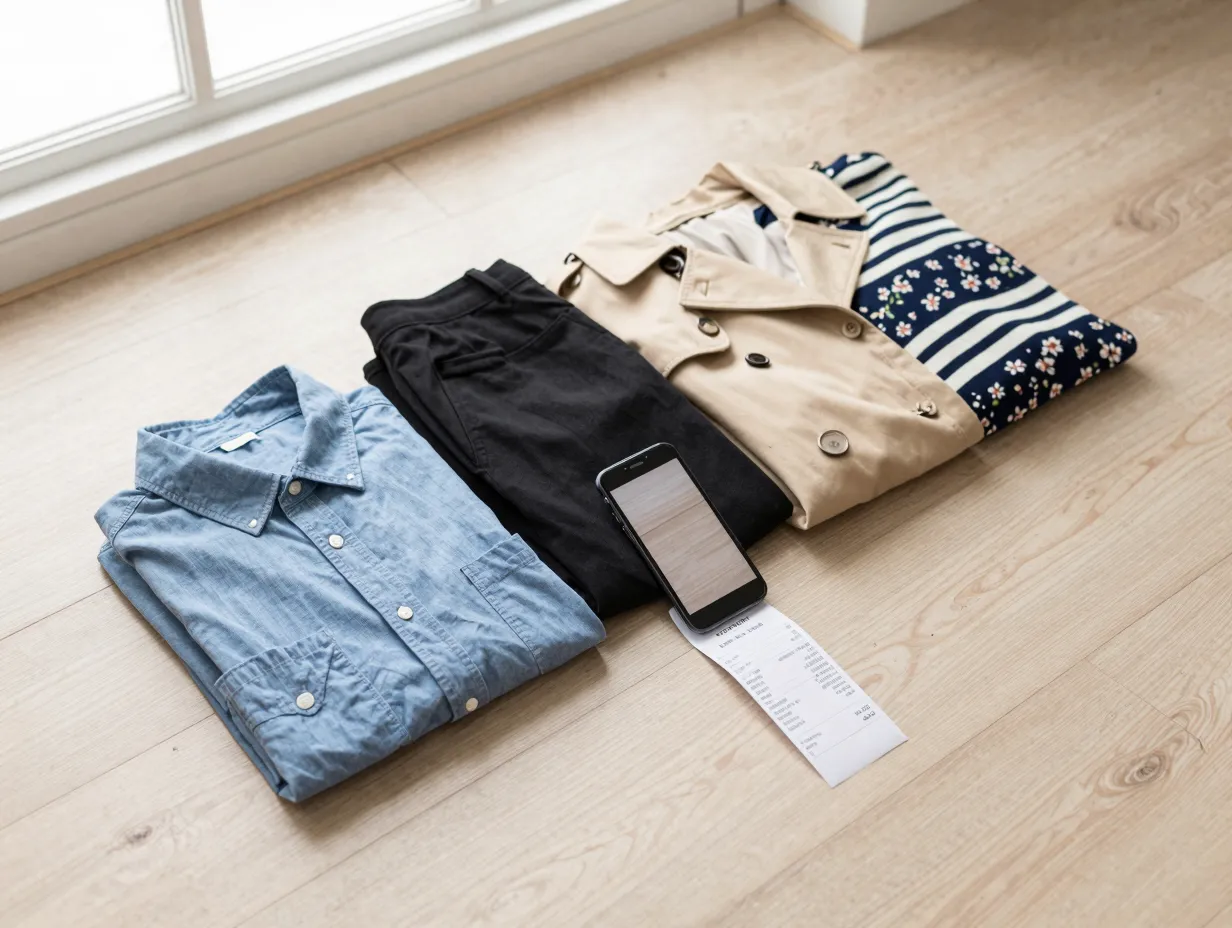
The foundation of any automated closet is a complete digital inventory. Modern apps now allow a single photo of a garment to generate a full catalog entry, including color, category, fabric type, and brand, without any manual tagging. Some platforms go further by scanning purchase receipts and syncing directly with online retailer accounts to pull in new items automatically [1].
Why it matters: A digital catalog is the data layer that every other automation feature depends on. Without it, outfit planning, usage tracking, and gap analysis are impossible.
Popular apps such as Acloset have built large user bases precisely because the import process is frictionless [6][7]. The app’s single-photo import and retailer integration create what amounts to a “live” smart closet that updates as new purchases arrive. For anyone who shops online regularly, this kind of retailer sync means the catalog stays current with almost no manual effort.
“A wardrobe you can see is a wardrobe you can manage.”
Getting started checklist:
- Choose an app with single-photo import capability
- Photograph existing items in natural light against a plain background
- Connect retailer accounts for automatic future imports
- Review and correct any AI-generated tags for accuracy
2. Use a Smart Closet Hub App for AI Outfit Planning
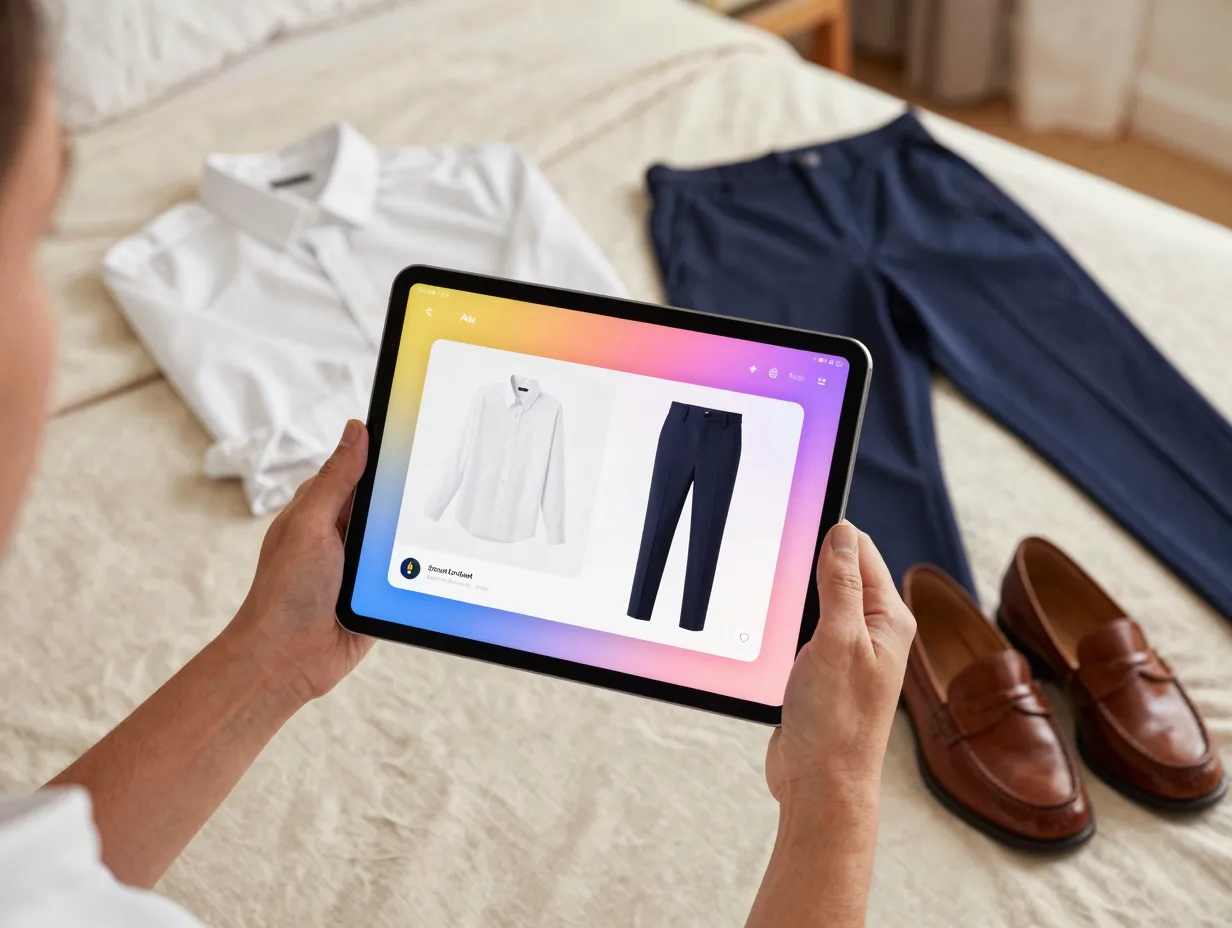
Once a digital catalog exists, the next logical step is letting AI do the daily styling work. Smart closet hub apps analyze the full wardrobe and generate outfit suggestions based on personal style preferences, color compatibility rules, and historical choices. The best platforms function as an all-in-one AI fashion assistant, handling organization, styling, and analytics from a single interface [5].
Alta, for example, has been highlighted as a significant entrant in this space, offering AI-driven outfit planning that learns from user feedback over time [2]. The app’s approach combines wardrobe data with style analytics to surface combinations that a user might never have considered independently. This kind of recommendation engine moves outfit planning from a daily chore to an automated background process.
Key features to look for in a hub app:
| Feature | What It Does |
|---|---|
| AI outfit generation | Combines items based on style rules and personal history |
| Style analytics dashboard | Shows trends in color, category, and brand usage |
| Feedback loop | Learns from “liked” and “skipped” outfit suggestions |
| Multi-device sync | Keeps wardrobe data consistent across phone and tablet |
| Sharing capability | Allows outfit ideas to be shared with others for feedback |
The distinction between a basic closet organizer app and a true hub is the presence of a feedback loop. Apps that improve their suggestions over time based on actual user behavior deliver compounding value, the longer they are used, the more accurate and useful the recommendations become [1].
3. Activate Data-Driven Wardrobe Analytics
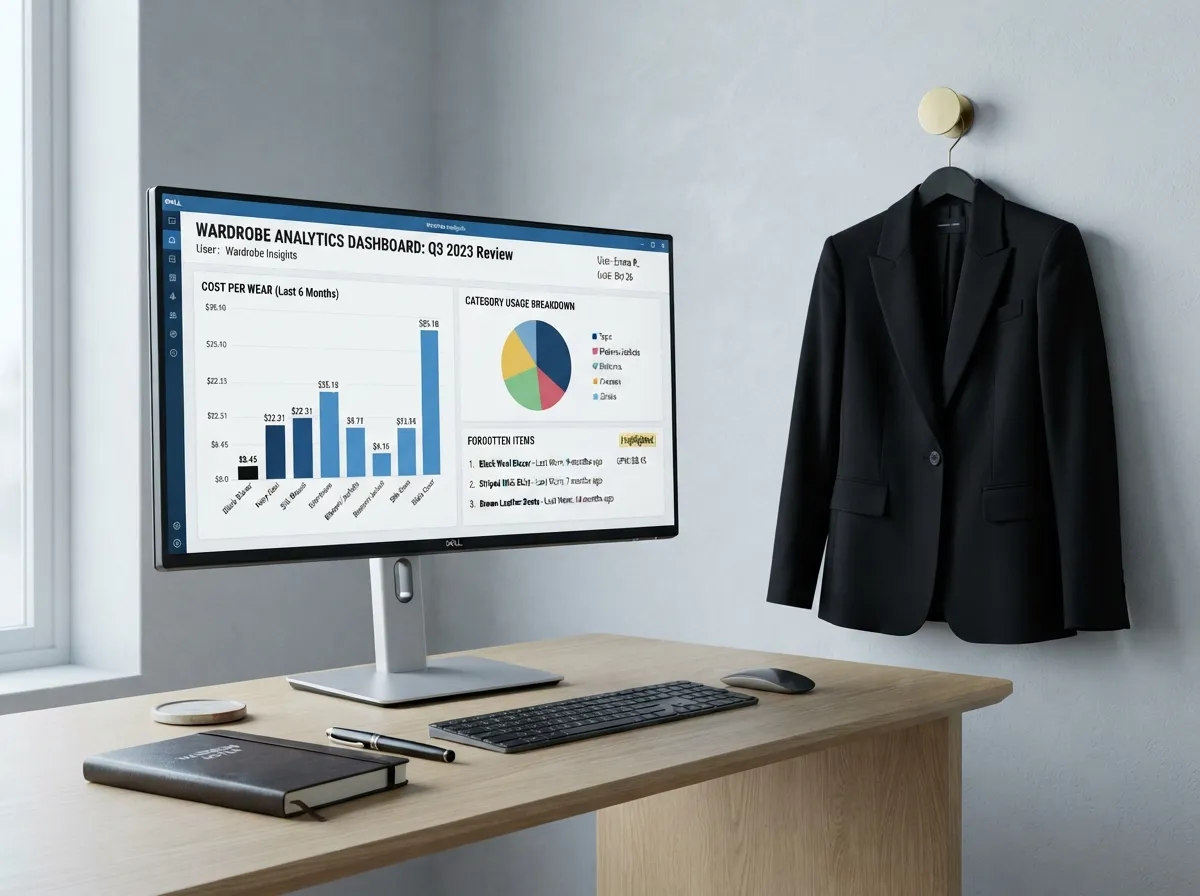
Most people have a rough sense of their “favorites” but no real data on which items are genuinely worn and which are quietly occupying space. Wardrobe analytics features address this directly by tracking every outfit logged and surfacing insights about usage patterns.
The most useful analytics outputs include:
- Cost-per-wear calculations for individual items
- “Forgotten item” alerts for garments not worn in a set period
- Category balance reports showing over- and under-represented wardrobe segments
- Seasonal usage summaries to guide storage rotation decisions
Platforms with robust analytics, including those available on both Android and iOS, have made these features standard rather than premium add-ons [4][8]. The practical impact is significant: knowing that a jacket has a cost-per-wear of $0.50 while a similar one sits unworn at $120 per wear changes purchasing behavior in a measurable way.
Gap analysis is a particularly powerful output. By comparing what is owned against what is regularly worn, analytics tools can identify genuine wardrobe gaps, items that would increase outfit combinations significantly, versus redundant purchases that add clutter without adding versatility. This turns the closet app into a shopping advisor, not just a storage tool.
4. Enable Context-Aware Outfit Recommendations
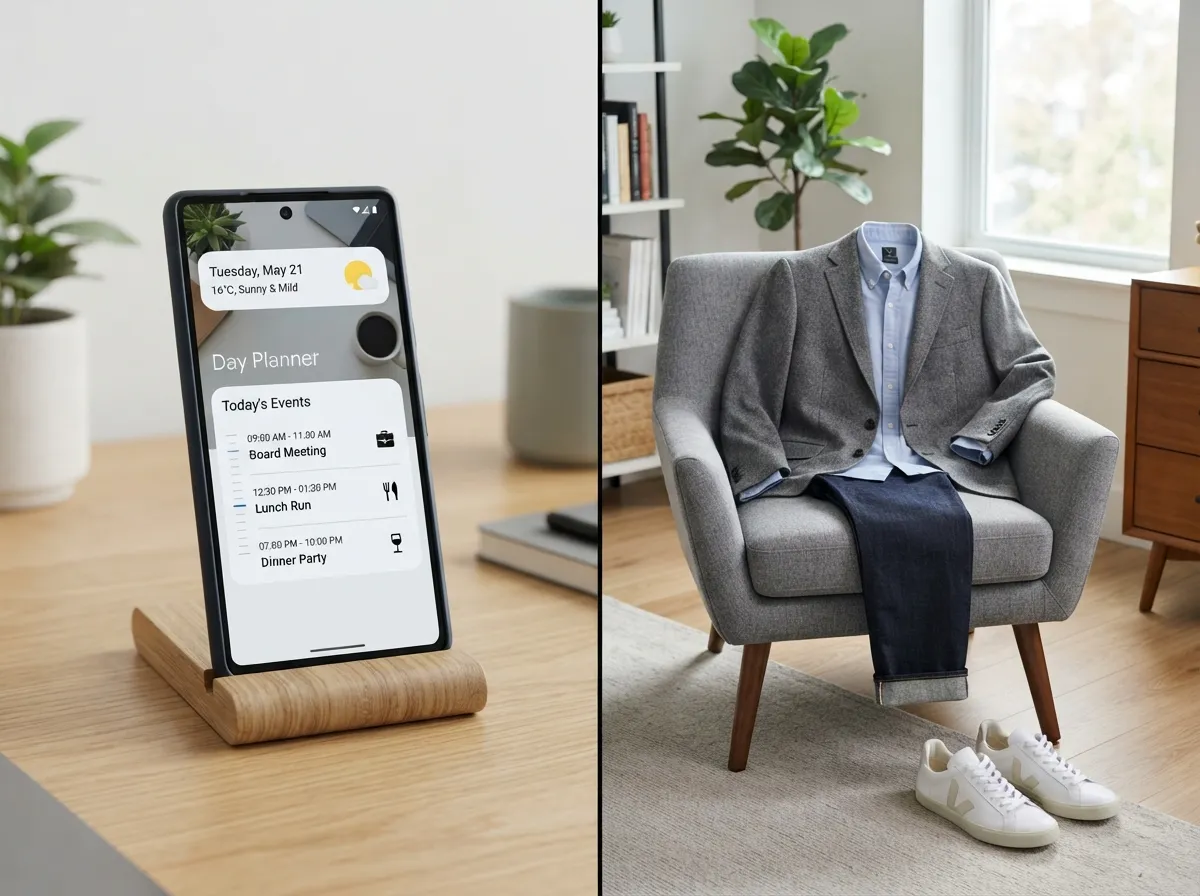
Static outfit suggestions are useful. Context-aware suggestions are transformative. The most advanced smart closet platforms in 2026 pull in real-time data from multiple sources, weather forecasts, calendar events, location, and even social context, to recommend outfits that are genuinely appropriate for the day ahead [3].
A recommendation engine that knows a user has a formal meeting in the morning, a gym session at lunch, and a casual dinner in the evening can suggest a complete day’s outfit plan rather than a single look. This level of context awareness requires integration between the closet app, the device’s calendar, and a weather API, connections that leading platforms have already built [5].
Context variables that drive smarter recommendations:
- Weather data: Temperature, precipitation, and UV index pulled from local forecasts
- Calendar events: Meeting type, dress code expectations, and location
- Time of day: Morning commute versus evening social event
- Recent wear history: Avoiding repeating the same outfit within a set window
- Occasion tags: User-defined tags such as “business formal,” “casual Friday,” or “outdoor event”
The result is a system that functions less like a passive catalog and more like a personal stylist who has read the day’s schedule. For professionals who travel frequently or manage complex social calendars, this automation delivers real time savings.
5. Link Outfit Planning to Your Calendar
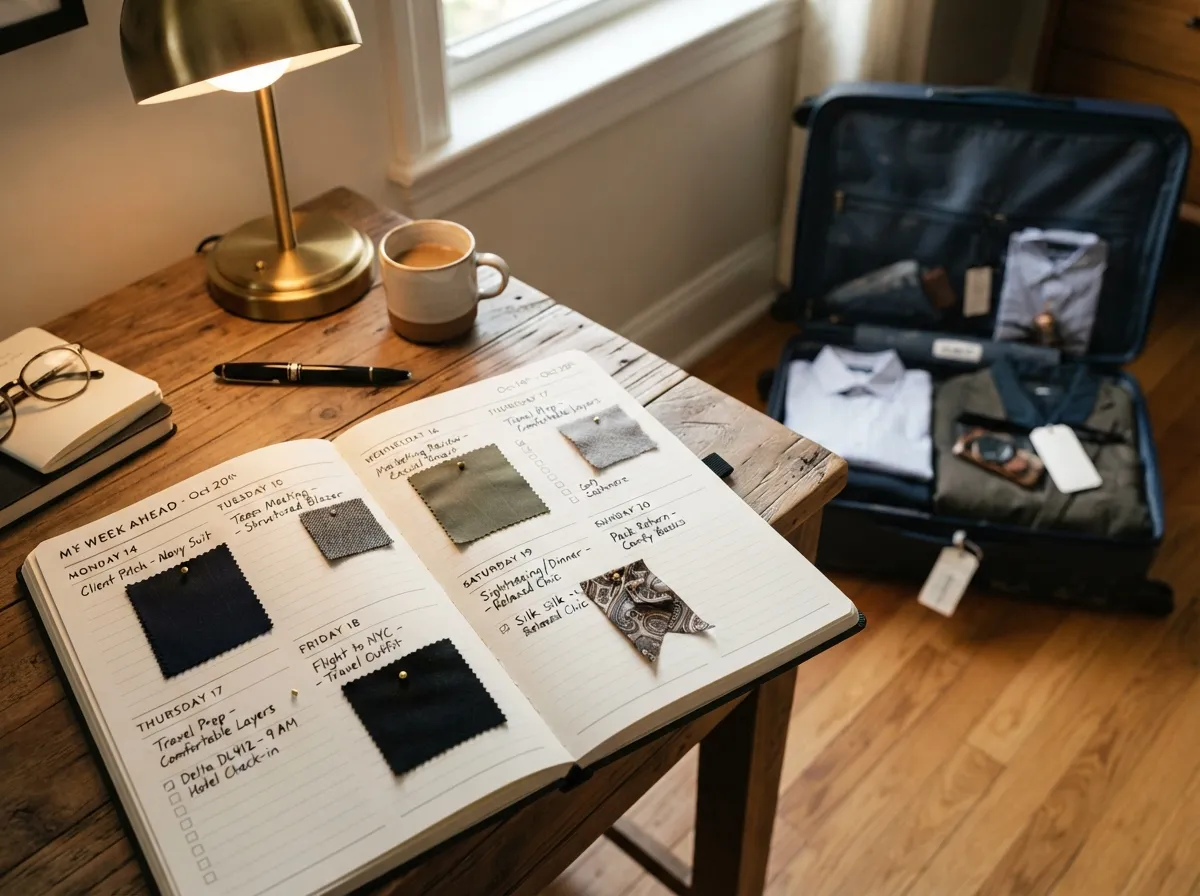
Calendar integration deserves its own entry because it elevates outfit planning from reactive to proactive. Rather than deciding what to wear the morning of an event, calendar-linked closet apps allow outfits to be planned days or weeks in advance and then surfaced as reminders at the appropriate time [1].
This feature is especially valuable for:
- Frequent travelers who need to plan packing lists around a trip itinerary
- Professionals with recurring formal events who want to avoid outfit repetition
- Parents managing school dress codes or children’s activity requirements
- Anyone preparing for a special occasion such as a wedding, conference, or job interview
The Acloset platform, which has built a substantial global user base, integrates outfit scheduling directly into its core workflow [10]. Users can assign outfits to specific calendar dates, receive morning notifications, and review upcoming outfit plans in a weekly view. This transforms the closet app into a genuine planning tool rather than a passive inventory system.
A practical workflow for calendar-linked planning:
- Review the upcoming week’s calendar events each Sunday
- Assign outfit options to each day based on event context
- Set morning reminder notifications for each planned outfit
- Log actual outfits worn to keep usage analytics accurate
- Adjust future plans based on weather updates as the week progresses
6. Add a Conversational AI Stylist to the Workflow
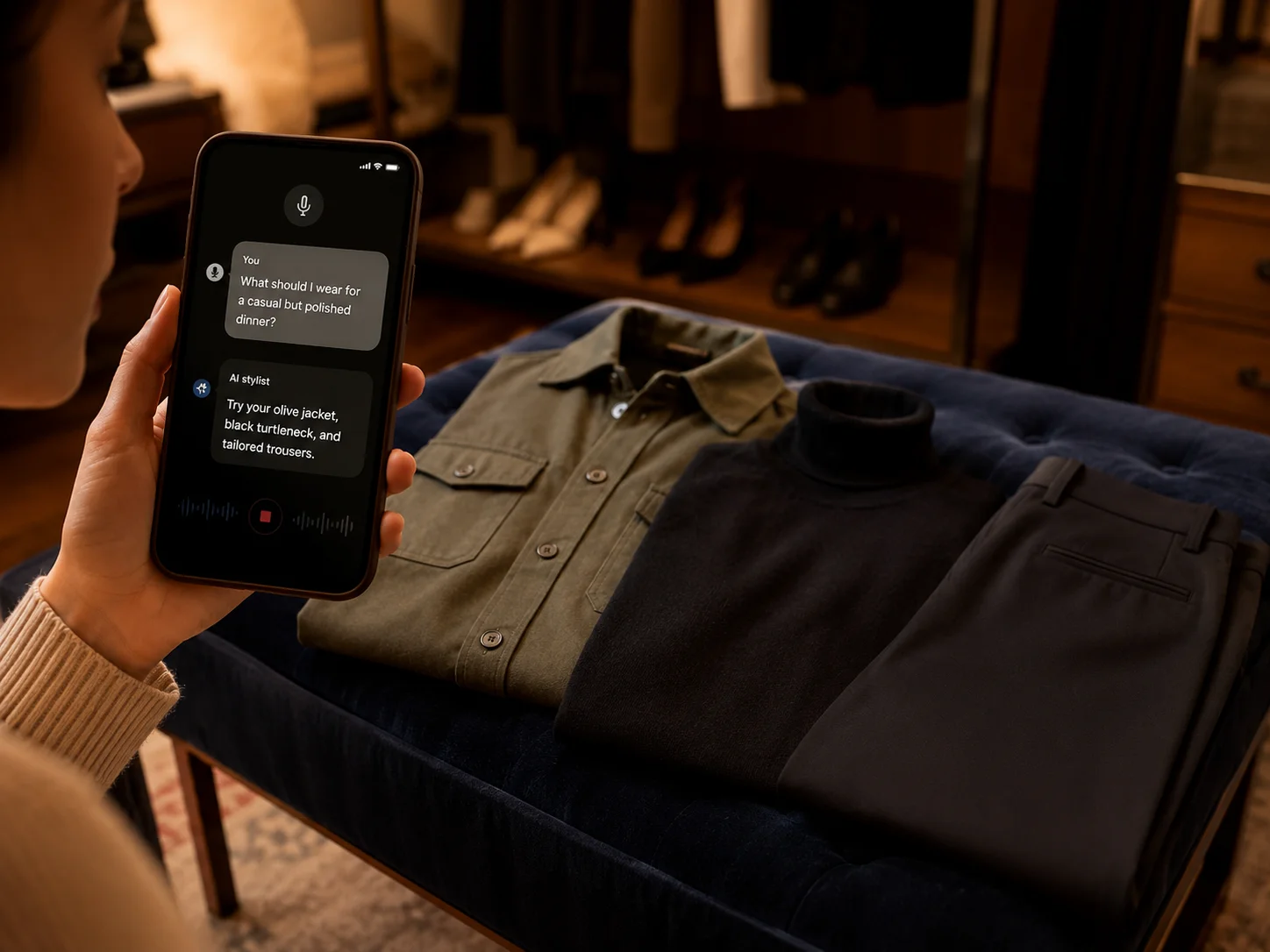
The newest generation of smart closet apps has moved beyond algorithmic recommendations into genuine conversational AI. Rather than selecting from pre-generated outfit cards, users can now describe a scenario in natural language, “I need something for a rooftop dinner that is smart but not too formal”, and receive tailored suggestions drawn from their actual wardrobe [2].
This conversational layer changes the nature of the interaction fundamentally. It is no longer about navigating menus or applying filters; it is about describing a need and receiving a curated response. For users who find traditional app interfaces limiting, conversational AI removes friction entirely.
Alta’s AI stylist functionality has been cited as a leading example of this approach, combining wardrobe data with natural language processing to deliver advice that feels genuinely personalized rather than algorithmically generic [2]. The platform’s ability to reference specific owned items while responding to open-ended style questions represents a meaningful step forward from earlier recommendation engines.
What to expect from a conversational AI stylist:
- Natural language input for outfit requests and style questions
- Responses that reference specific items already in the wardrobe
- Style advice that accounts for body type, color preferences, and occasion
- Follow-up questions to refine suggestions when the initial response needs adjustment
- Learning over time from accepted and rejected recommendations
The practical value extends beyond daily outfit choices. Conversational AI stylists can help evaluate potential new purchases against the existing wardrobe, answer questions about care instructions, and suggest outfit combinations for items that have been sitting unworn.
7. Integrate Smart Garment-Care Appliances into the Ecosystem
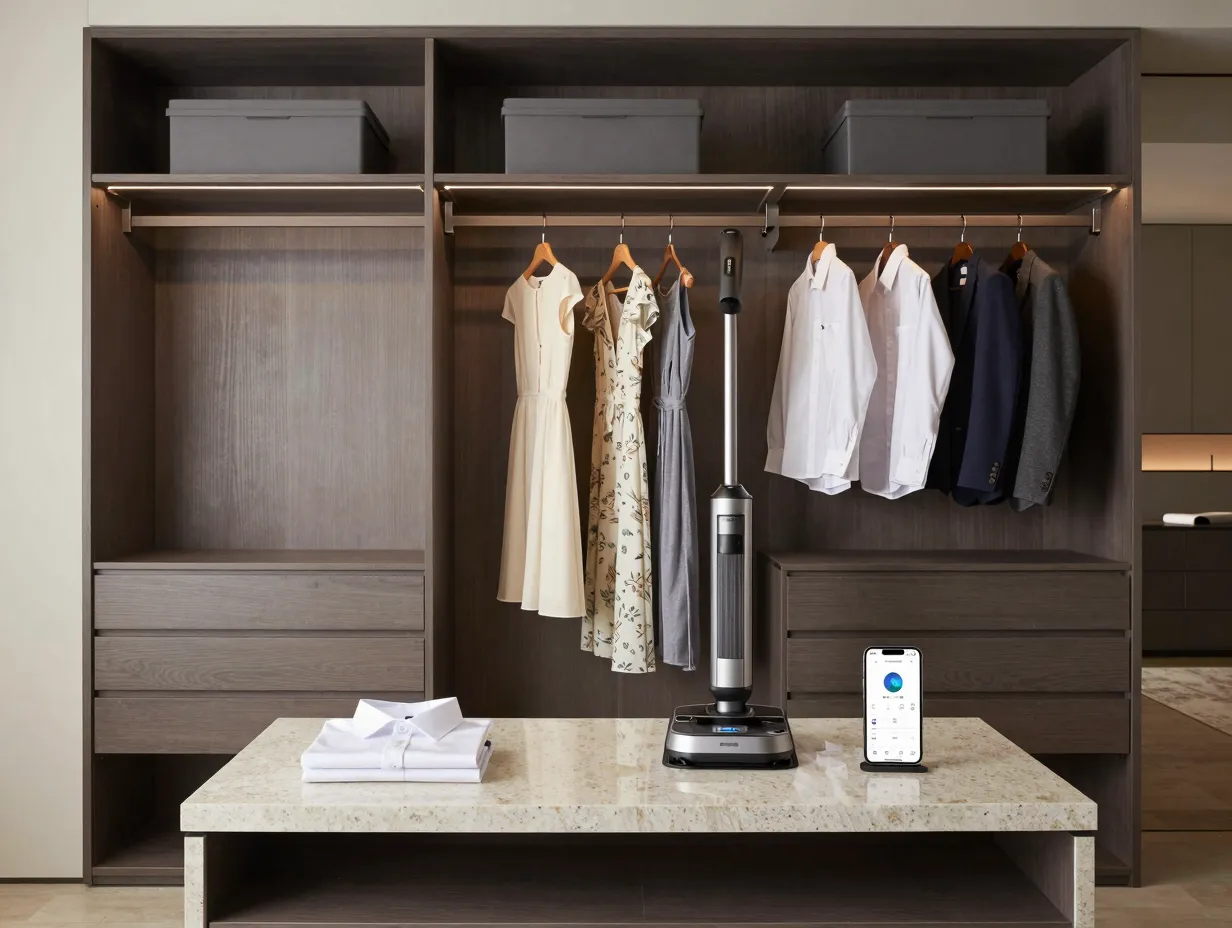
The seven smart closet ideas to automate your wardrobe and storage would be incomplete without addressing the physical care layer. Smart garment-care appliances, including connected steamers, UV sanitizing systems, and climate-controlled storage units, complete the automation ecosystem by protecting clothing and reducing the manual effort of maintenance [3].
These appliances increasingly connect to the same apps that manage the digital wardrobe, creating a unified ecosystem. A connected steamer, for example, can log which garments have been treated and when, feeding that data back into the closet app’s care reminders. Climate-controlled storage units can monitor humidity and temperature, sending alerts if conditions risk damaging delicate fabrics.
Smart garment-care appliances worth considering in 2026:
| Appliance Type | Key Automation Feature | Primary Benefit |
|---|---|---|
| Connected steamer | App-controlled scheduling and care logging | Reduces wrinkles without ironing |
| UV sanitizing cabinet | Automated cycle timing and garment tracking | Eliminates odors and bacteria |
| Climate-controlled wardrobe | Humidity and temperature monitoring with alerts | Protects delicate and vintage items |
| Smart laundry sorter | RFID-based garment identification and care label reading | Prevents washing errors |
| Motorized rotating rack | Voice and app control for item retrieval | Maximizes space in small closets |
The motorized rotating rack deserves particular attention for smaller spaces. By bringing items to the user rather than requiring manual searching, it eliminates the “buried at the back” problem that causes so many garments to be forgotten. Combined with a digital catalog, every item remains visible and accessible regardless of physical position in the closet [3].
How to Choose the Right Combination of Smart Closet Tools
Not every household needs all seven elements simultaneously. The most effective approach is to build the system in layers, starting with the digital catalog and adding features as habits form around each new tool.
A suggested upgrade path:
- Start with a photo-based catalog app to digitize the existing wardrobe
- Add outfit planning once the catalog contains at least 80% of owned items
- Activate analytics features after two to three months of outfit logging
- Enable calendar integration when planning needs extend beyond the current week
- Explore conversational AI when basic outfit suggestions feel limiting
- Add smart appliances as budget and space allow, prioritizing the highest-pain-point first
The platforms that support this kind of graduated adoption, offering a useful free tier with meaningful paid upgrades, tend to build the strongest long-term user habits [1][5]. Choosing an app with a large existing user base also matters because it signals continued development investment and a lower risk of the platform being discontinued.
Conclusion
The 7 smart closet ideas to automate your wardrobe and storage covered in this guide represent a complete framework for transforming how clothing is organized, chosen, and maintained. The technology is no longer experimental, millions of users are already managing their wardrobes through AI-powered apps, and the hardware ecosystem is maturing rapidly in 2026.
Actionable next steps:
- Download a closet catalog app this week and photograph at least ten items to test the AI tagging accuracy
- Connect one retailer account to enable automatic import of future purchases
- Log outfits for 30 days to generate meaningful usage analytics
- Review the analytics report to identify the single most “forgotten” item and build a new outfit around it
- Explore calendar integration before the next event that requires advance outfit planning
The compounding benefit of these tools grows with consistent use. A wardrobe that is fully cataloged, analytically tracked, and AI-assisted does not just save time each morning, it changes the relationship with clothing entirely, shifting it from a source of daily friction to a well-managed personal asset.
References
[1] Best Closet App 2026 – https://joinelara.com/blog/best-closet-app-2026
[2] Alta Ai Closet Styling App Announcement – https://www.elle.com/fashion/personal-style/a65551355/alta-ai-closet-styling-app-announcement/
[3] Best Smart Closet Organizers 2026 – https://www.smarthomeexplorer.com/guides/best-smart-closet-organizers-2026
[4] Details – https://play.google.com/store/apps/details?id=finecoder.apps.smartcloset
[5] Best Closet Apps – https://www.altadaily.com/blog/best-closet-apps
[6] Details – https://play.google.com/store/apps/details?id=com.looko.acloset&hl=en_AU
[7] Details – https://play.google.com/store/apps/details?id=com.looko.acloset&hl=en_US
[8] Id6755371801 – https://apps.apple.com/hk/app/ai-fashion-your-digital-closet/id6755371801
[9] Details – https://play.google.com/store/apps/details?id=com.ThreeBoots&hl=en_US
[10] acloset.app – https://www.acloset.app/