6 Smart Home Appliances That Save You Time and Money
The average American household spends more than $2,000 per year on energy bills alone, and that figure does not account for the hours lost each week to routine chores like vacuuming, laundry, and managing groceries. The good news is that a new generation of connected devices is changing that equation fast. The 6 smart home appliances that save you time and money covered in this guide are not luxury gadgets for tech enthusiasts. They are practical, increasingly affordable tools that deliver measurable returns on investment, often within the first year of ownership.
Disclosure: This post contains affiliate links. As an Amazon Associate, we earn from qualifying purchases, and at no extra cost to you.
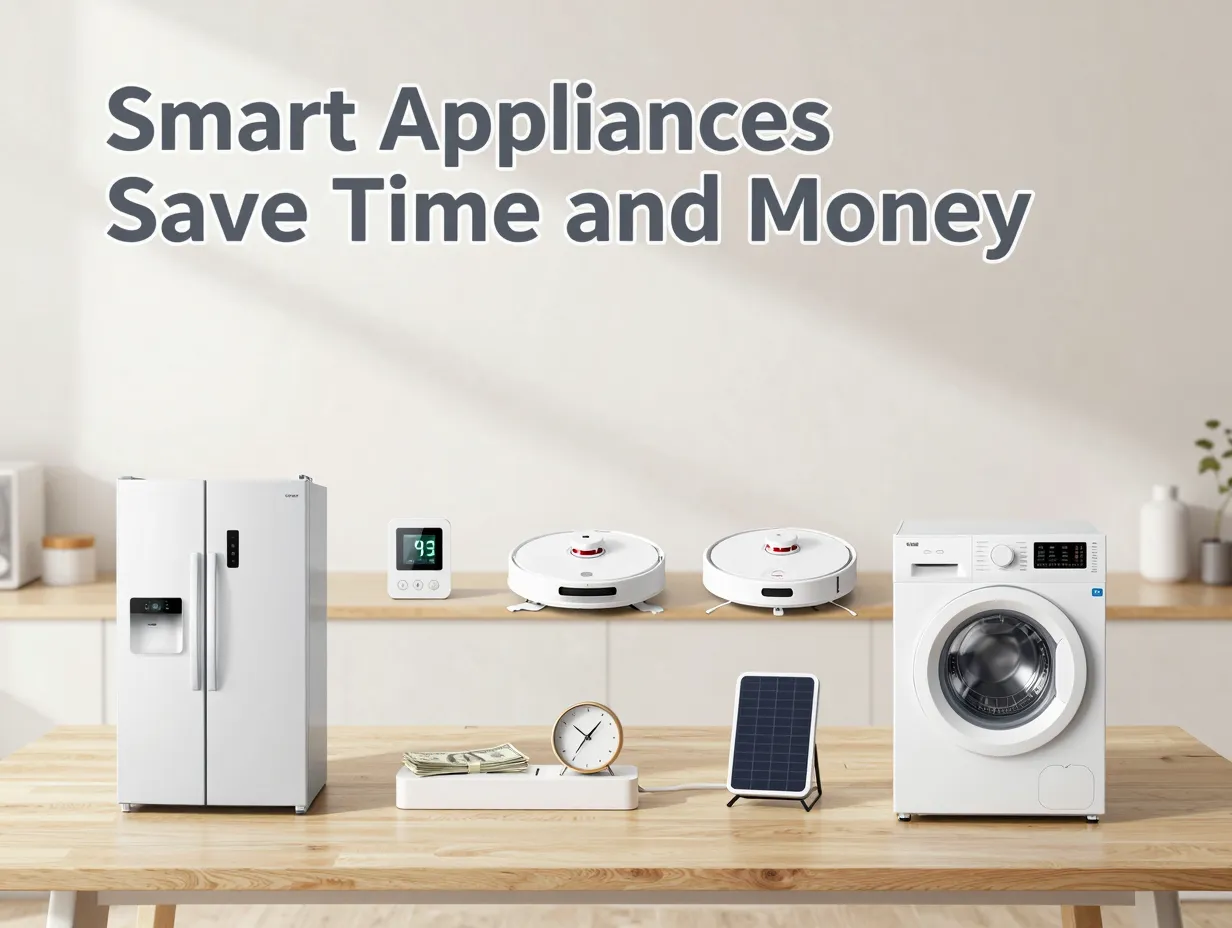
Mid-2026 has brought a wave of competitive pricing, aggressive utility rebates, and rapid feature improvements across every category discussed here [1][10]. Whether the goal is cutting the electricity bill, reclaiming weekend hours, or reducing food waste, these six categories of smart appliances offer the clearest path from purchase to payoff.
Key Takeaways
- Smart thermostats remain the single fastest-payback smart home investment, with utility rebates in 2026 often covering a significant portion of the upfront cost.
- Robot vacuums and mops have matured into near-autonomous cleaning systems that genuinely eliminate routine floor-care chores.
- AI-driven washers, dryers, refrigerators, and dishwashers cut both energy consumption and food waste in ways that add up to hundreds of dollars in annual savings.
- Smart plugs and power strips are the lowest-effort, lowest-cost entry point for reducing phantom energy loads throughout the home.
- Plug-in solar panels and compact home batteries are now mainstream enough to be considered alongside traditional smart appliances.
Why 2026 Is the Right Time to Invest in Smart Home Appliances
Before diving into the individual devices, it is worth understanding why this particular moment represents an unusually good window for buyers. Three forces are converging simultaneously.
Falling prices. Increased competition among manufacturers, especially from Asian brands entering Western markets, has pushed retail prices down across nearly every smart appliance category [6][8]. Products that cost $300 two years ago now routinely sell for under $200.
Stronger incentives. Policy frameworks in the United States, United Kingdom, and European Union have expanded rebate and tax-credit programs for energy-efficient appliances [9][10]. Utility companies are layering their own cash-back offers on top of government incentives, making the effective out-of-pocket cost of smart thermostats and heat-pump appliances lower than at any previous point.
Faster innovation. The 2026 launch cycle has delivered meaningful improvements in AI scheduling, sensor accuracy, and cross-platform integration [1][7]. Appliances released this year are noticeably smarter than their 2024 predecessors, yet they carry similar or lower price tags.
“The gap between a smart appliance and a conventional one, in both features and price, has never been smaller.”, market analysts tracking the 2026 CES and mid-year launch cycles [10]
These three factors together mean that the 6 smart home appliances that save you time and money described below are accessible to a much wider range of budgets than ever before.
The 6 Smart Home Appliances That Save You Time and Money
1. Smart Thermostats
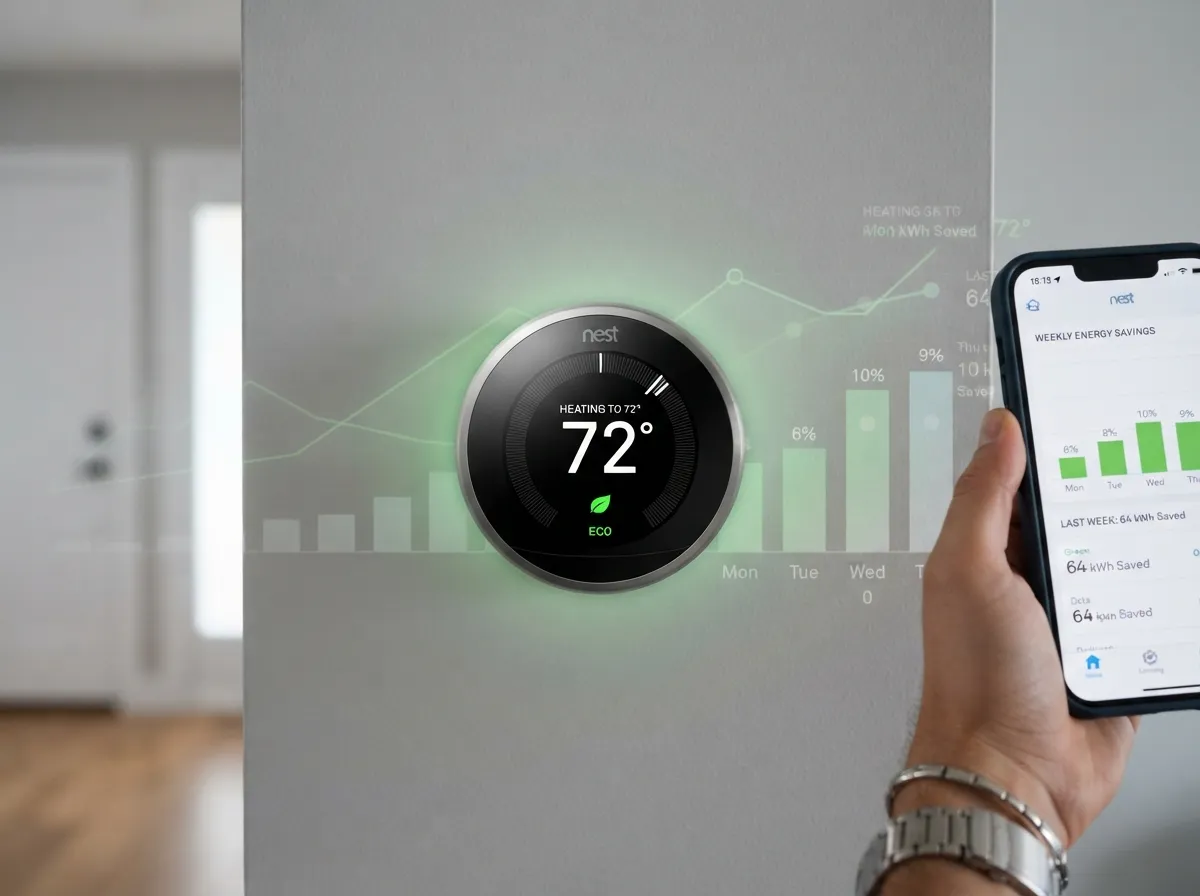
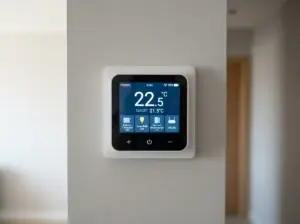
A smart thermostat is consistently the highest-ROI smart home purchase available. Independent testing and utility-company data repeatedly show annual savings of $100 to $200 on heating and cooling costs, with some households reporting even more depending on climate and usage patterns [2][4].
How the savings work:
- AI scheduling learns occupancy patterns and adjusts temperatures automatically, eliminating the waste of heating or cooling an empty home.
- Geofencing detects when residents leave and arrive, triggering pre-set temperature changes without any manual input.
- Energy reports break down consumption by time of day, helping users identify and eliminate wasteful habits.
- Demand-response participation allows the thermostat to make small, barely noticeable adjustments during grid peak periods in exchange for utility bill credits.
In 2026, utility rebates for certified smart thermostats have become more aggressive, with many programs offering $50 to $100 back at the point of purchase [9][10]. Combined with a typical retail price of $130 to $250, the payback period in many households is well under 12 months.
Top features to look for: compatibility with existing HVAC systems, voice assistant integration, a clear energy-use dashboard, and an intuitive mobile app.
2. Robot Vacuums and Mops
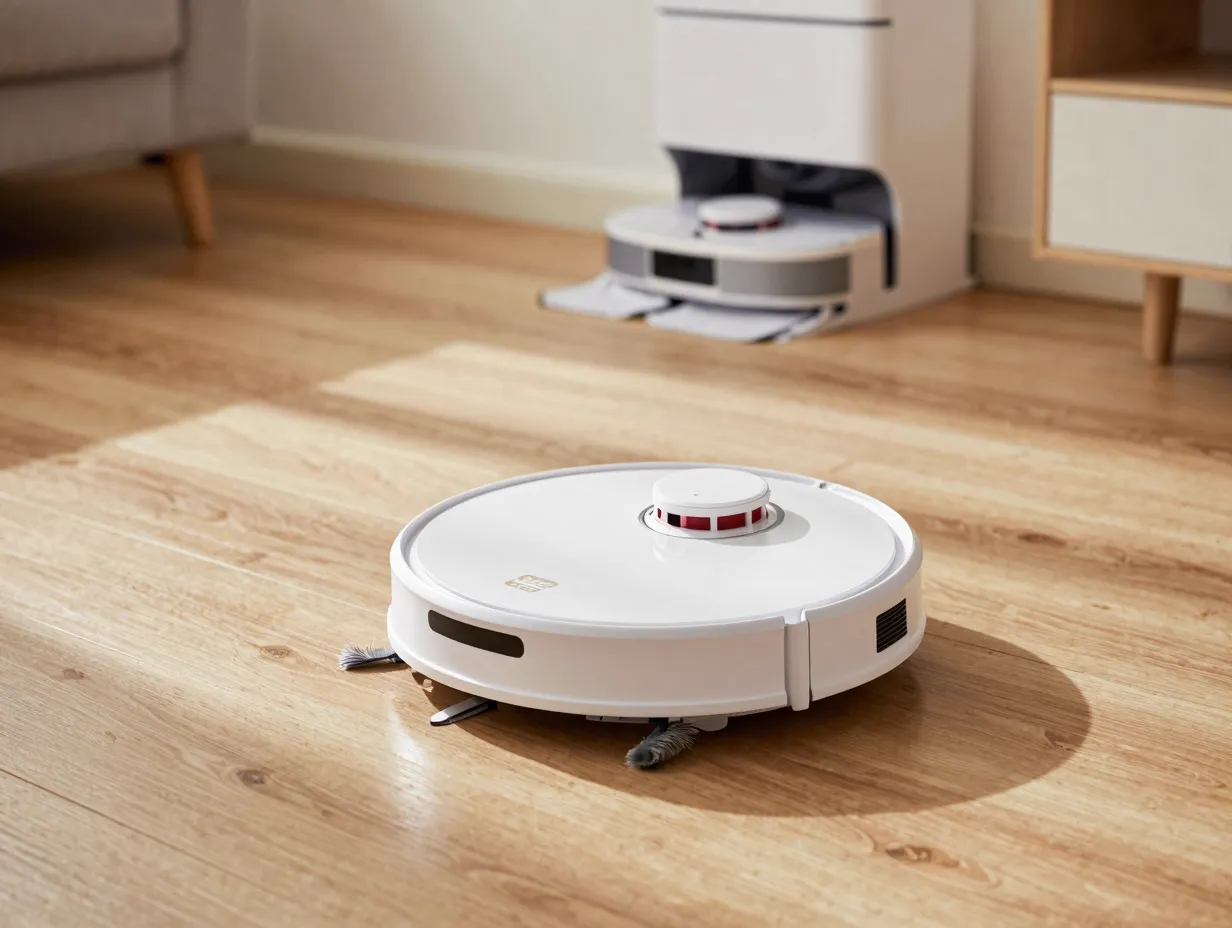
Robot vacuums have been available for over two decades, but the 2025-2026 generation represents a genuine leap in capability. The latest models combine vacuuming and mopping in a single unit, use LiDAR mapping to navigate complex floor plans, and return to self-emptying bases that can go weeks without human intervention [3][5].
Time savings are the primary value proposition here. A household that runs a robot vacuum daily reclaims roughly 3 to 5 hours per week compared to manual vacuuming. Over a year, that is more than 200 hours returned to the homeowner.
| Feature | Entry-Level Models | Mid-Range Models | Premium Models |
|---|---|---|---|
| Mapping technology | Basic bump-and-turn | LiDAR floor mapping | Multi-floor LiDAR + AI object avoidance |
| Mopping capability | None | Basic wet pad | Pressurized scrubbing mop |
| Self-emptying base | No | Some models | Standard |
| App scheduling | Yes | Yes | Yes + AI auto-scheduling |
| Typical price range | $150-$250 | $300-$500 | $600-$1,200 |
The money savings are indirect but real. Regular automated cleaning extends the life of carpets and hard floors, delays the need for professional deep cleaning, and, for allergy sufferers, can reduce medical costs associated with dust and pet dander exposure [4].
Mid-2026 pricing has brought capable mid-range models with LiDAR mapping and self-emptying bases down to the $350-$450 range, a significant drop from their 2024 debut prices [6][8].
3. Smart Washers and Dryers
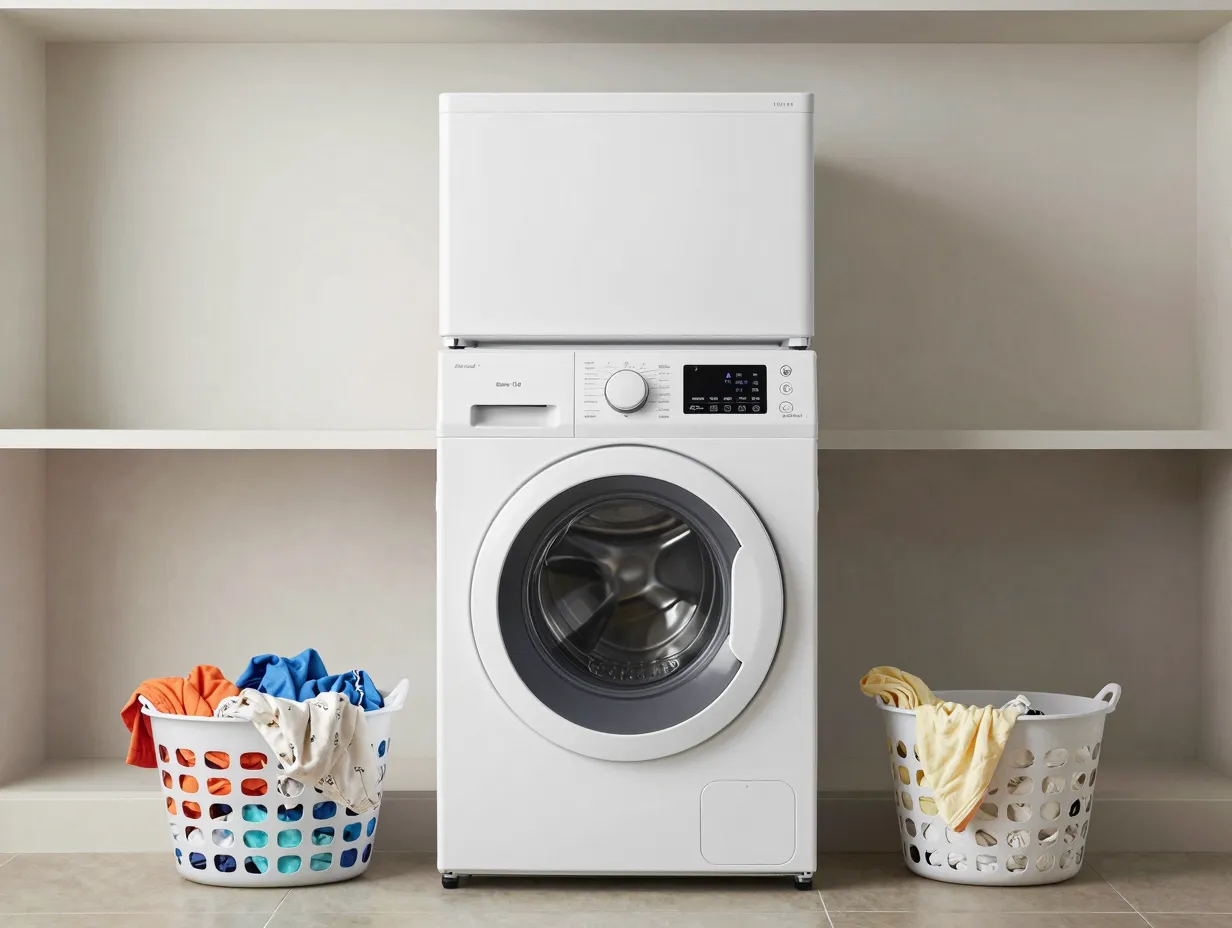
Laundry accounts for roughly 5 to 6 percent of a typical household’s energy bill. Smart washers and dryers attack that cost from two directions: AI-optimized cycles that use only as much water and energy as each load actually requires, and heat-pump drying technology that uses dramatically less electricity than conventional resistance heating [7][9].
Key efficiency gains:
- AI load-sensing adjusts water volume and spin speed based on the weight and fabric type of each load, reducing water use by up to 30 percent compared to standard machines.
- Heat-pump dryers use 40 to 60 percent less electricity than conventional electric dryers by recycling hot air rather than venting it.
- Off-peak scheduling allows the machines to run automatically during low-rate electricity hours, which is particularly valuable for households on time-of-use utility tariffs.
- Cycle notifications sent to a smartphone mean laundry never sits wet in the drum for hours, eliminating re-wash cycles.
Annual savings estimate: A household switching from a conventional washer-dryer pair to a smart heat-pump set can expect to save $80 to $150 per year on energy and water bills, with the gap widening as utility rates rise [4][9].
The upfront cost of smart heat-pump dryers remains higher than conventional models, but government incentive programs in the US (under the Inflation Reduction Act’s appliance rebate provisions) and equivalent UK and EU schemes have significantly narrowed the effective price difference in 2026 [10].
4. Smart Refrigerators
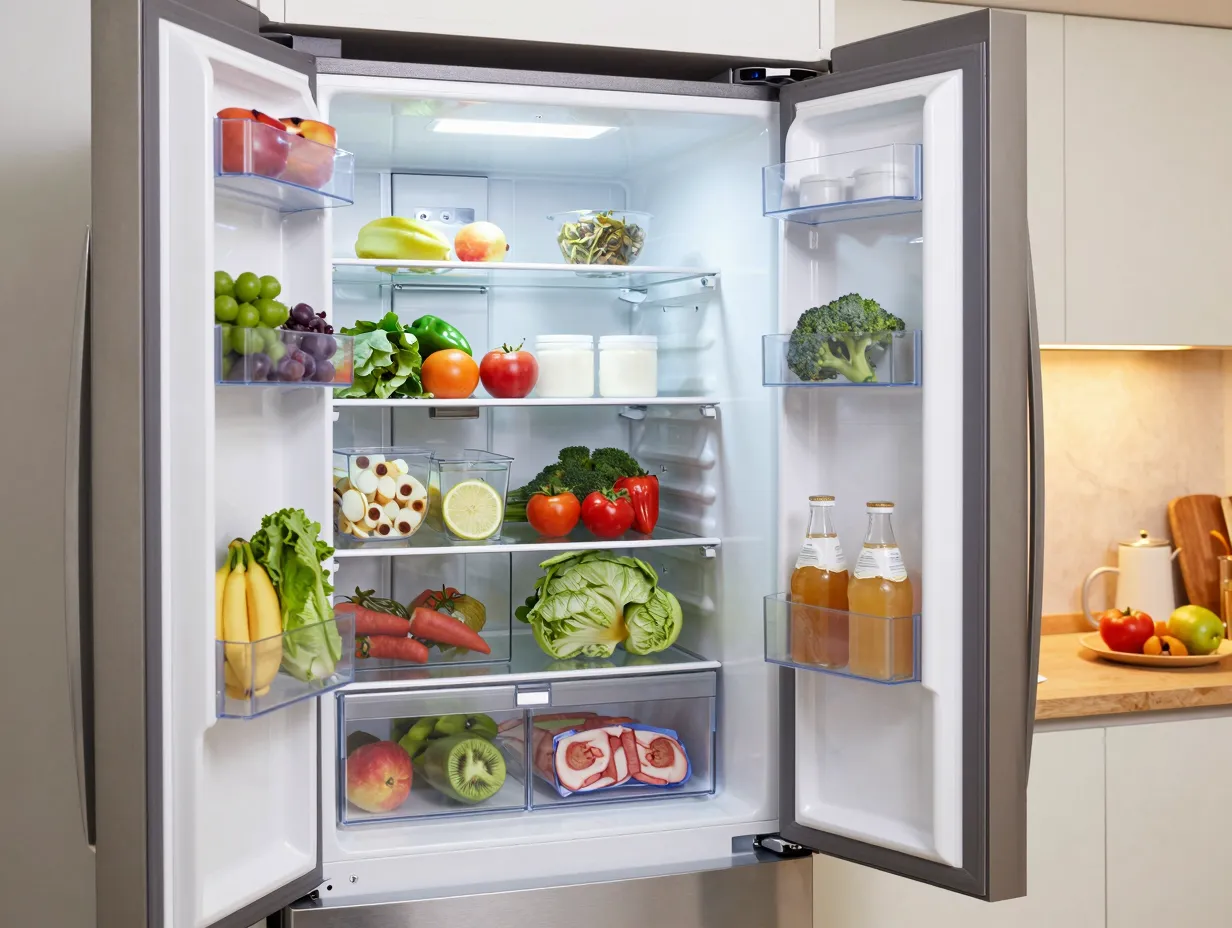
The refrigerator runs 24 hours a day, 365 days a year, making it one of the largest single contributors to household electricity consumption. Smart refrigerators address this in two ways: through AI-driven cooling management that maintains precise temperatures with less energy, and through inventory and expiry-tracking features that reduce food waste [2][5].
The food waste angle is often underappreciated. The average American household throws away roughly $1,500 worth of food per year. Smart refrigerators with internal cameras and AI-powered inventory tracking help households use what they have before it spoils, directly attacking that waste figure.
Standout features in 2026 models:
- Internal cameras viewable from a smartphone app while grocery shopping
- AI-generated shopping lists based on detected inventory levels
- Zone-specific cooling that keeps produce, dairy, and meat at individually optimized temperatures
- Energy-use monitoring with alerts when consumption spikes, which can signal a door-seal failure or compressor issue before it becomes a costly repair
- Integration with smart home platforms for demand-response energy management
Energy savings from smart refrigerators are more modest than from thermostats or heat-pump dryers, typically $20 to $50 per year in direct electricity savings, but the combined effect of lower energy use and reduced food waste can easily exceed $200 annually for an engaged household [4][9].
5. Smart Dishwashers and Multicookers
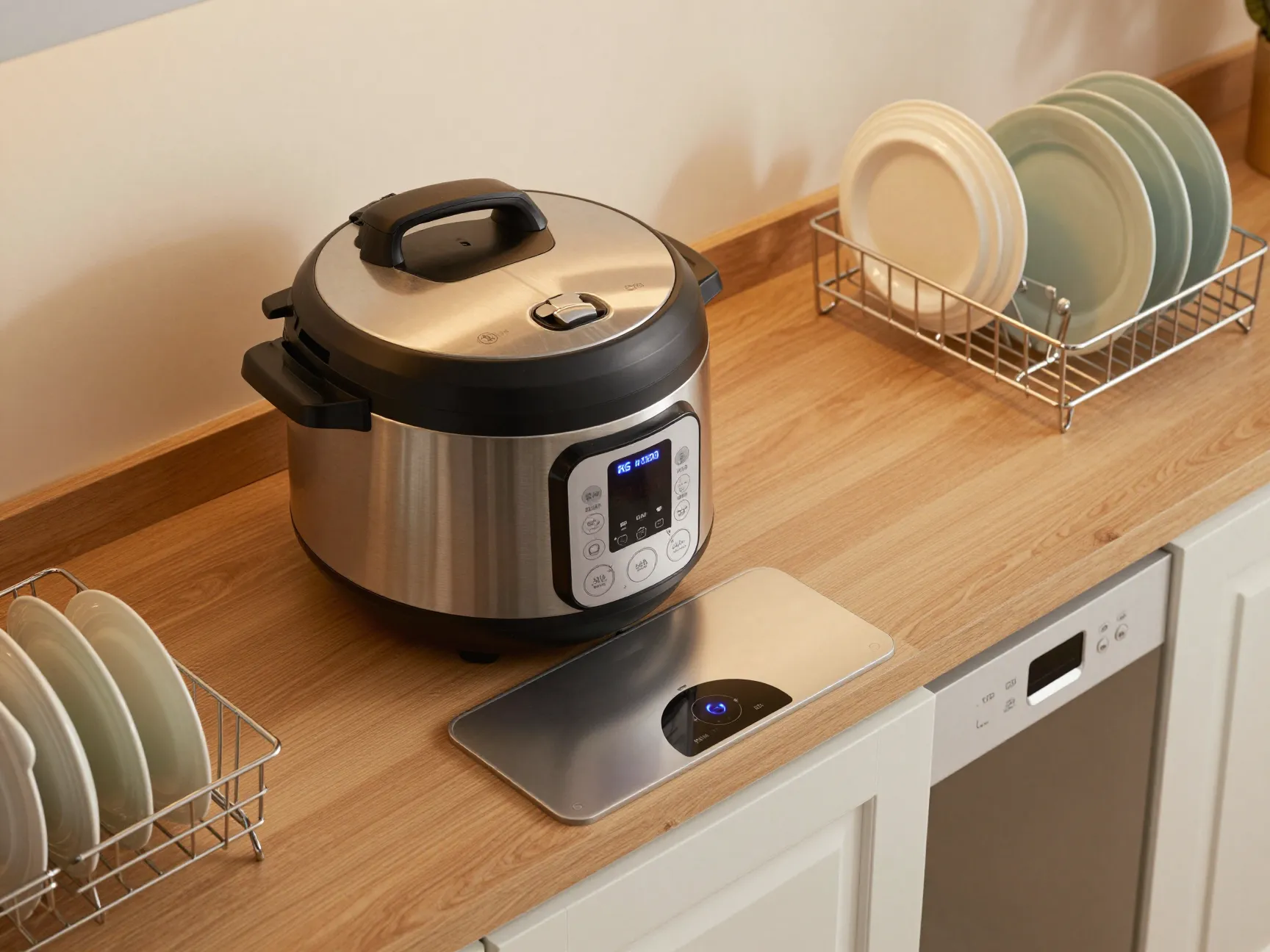
This category bundles two distinct kitchen appliances that share a common theme: they do more work in less time while using fewer resources than their conventional counterparts.
Smart dishwashers in 2026 feature soil-sensing technology that adjusts water temperature, pressure, and cycle length based on how dirty the load actually is. A lightly soiled load runs a shorter, cooler cycle; a heavily soiled load gets a full-power wash. The result is water and energy savings of 15 to 25 percent compared to running a fixed-cycle dishwasher on the same loads [3][7].
Additional smart features include:
- Leak detection sensors that shut off water supply automatically if a fault is detected
- Delayed-start scheduling to run during off-peak electricity hours
- Detergent usage tracking and automatic reorder suggestions
- Cycle completion notifications
Smart multicookers, devices that combine pressure cooking, slow cooking, air frying, steaming, and sauteing in a single countertop unit, save time by dramatically accelerating cooking processes. A meal that takes 90 minutes in a conventional oven can often be ready in 20 to 30 minutes under pressure. They also save money by reducing oven use (ovens are among the highest-wattage kitchen appliances) and by enabling batch cooking that reduces food delivery and takeout spending [5][8].
A household that replaces three takeout meals per week with home-cooked multicooker meals can save $2,000 to $4,000 per year depending on local restaurant prices.
The combination of a smart dishwasher and a smart multicooker represents one of the strongest time-and-money value propositions in the kitchen, and 2026 pricing has made both categories accessible at the $150 to $400 price point [6][8].
6. Smart Plugs, Power Strips, and Plug-In Solar
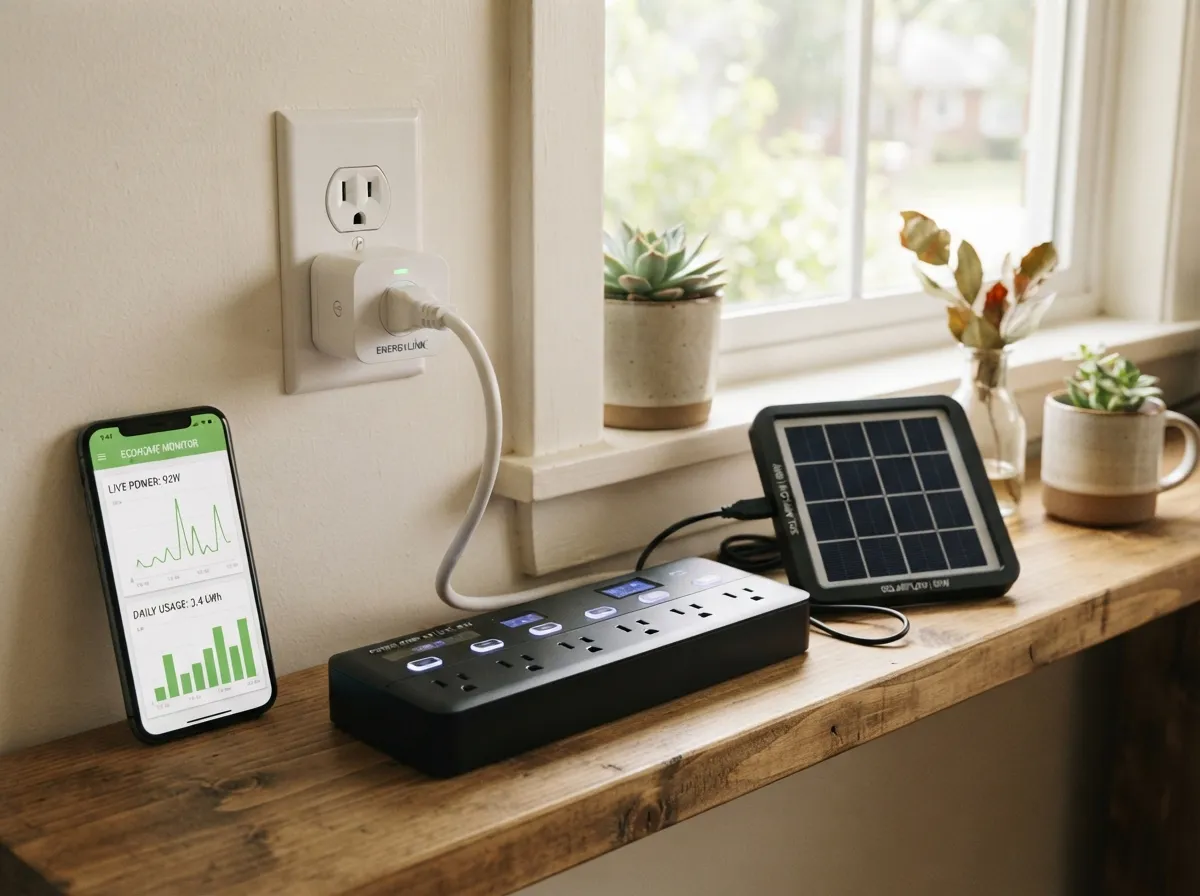
The final entry in the 6 smart home appliances that save you time and money is actually a group of three closely related technologies that share a common characteristic: they are the easiest, lowest-cost way to start saving money with smart home technology today.
Smart plugs and power strips address one of the most overlooked sources of household energy waste: phantom loads, also called standby power. Electronics and appliances that remain plugged in but are not in active use, televisions, game consoles, phone chargers, coffee makers, collectively consume 5 to 10 percent of a typical household’s electricity [2][4].
A smart plug costs $10 to $30 and allows any device plugged into it to be:
- Scheduled to turn off automatically at set times
- Controlled remotely via smartphone
- Monitored for real-time and historical energy consumption
- Integrated into automation routines (e.g., “turn off all entertainment devices when the last person leaves home”)
A household that deploys six to eight smart plugs on its highest-draw standby devices can realistically save $50 to $150 per year with zero change in behavior beyond the initial setup [4][6].
Plug-in solar panels, also called balcony solar or apartment solar, have emerged as a mainstream product category in 2026 [1][7]. These compact photovoltaic panels plug directly into a standard wall outlet and feed generated electricity into the home’s circuits, reducing grid consumption in real time. A typical two-panel balcony solar kit (400 to 800 watts peak) can offset $100 to $300 in annual electricity costs depending on location and sun exposure.
Compact home batteries pair naturally with plug-in solar and smart plugs, storing excess solar generation for use during evening hours or grid outages. Entry-level home battery units capable of powering essential loads for several hours are now available in the $500 to $1,500 range, and their cost continues to fall [7][10].
Why this category earns its place on the list:
- Lowest upfront cost of any category on this list
- No professional installation required
- Immediate, measurable impact on electricity bills
- Scalable, start with one smart plug, expand to a full solar-plus-battery setup over time
How to Choose the Right Smart Appliances for Your Home
Not every household needs all six categories at once. A practical approach is to prioritize based on current pain points and budget.
Prioritization framework:
- Start with a smart thermostat if the home has central heating and cooling, the payback period is the shortest of any category.
- Add smart plugs to the highest-draw standby devices immediately, the investment is under $50 and savings begin the same day.
- Upgrade the washer or dryer at the next natural replacement cycle to a heat-pump model, the incremental cost over a standard replacement is modest and rebates are available.
- Consider a robot vacuum if cleaning time is a consistent pain point, mid-range models now deliver genuine “set and forget” performance.
- Evaluate a smart refrigerator or dishwasher when the existing appliance reaches end of life, replacing a working appliance early rarely makes financial sense unless the energy savings are exceptional.
- Explore plug-in solar if the home has south-facing outdoor space and electricity costs are high, the category has matured enough in 2026 to be a reliable mainstream option.
Compatibility checklist before buying:
- Does the appliance work with the existing smart home platform (Google Home, Amazon Alexa, Apple HomeKit, Matter)?
- Is the appliance eligible for utility rebates or government tax credits in the local area?
- Does the manufacturer provide a clear software support commitment (important for appliances expected to last 10+ years)?
- Is professional installation required, and if so, is that cost factored into the ROI calculation?
Measuring the Real ROI of Smart Home Appliances
A common mistake buyers make is evaluating smart appliances purely on purchase price. A more accurate framework accounts for:
Total cost of ownership (TCO):
- Purchase price minus available rebates and tax credits
- Annual energy and water savings
- Avoided maintenance and repair costs (e.g., early-fault detection in smart refrigerators)
- Time savings converted to a dollar value at the household’s effective hourly rate
Payback period calculation:
Divide the net purchase price (after rebates) by the annual savings. A smart thermostat purchased for $180 with a $75 rebate has a net cost of $105. At $150 per year in energy savings, the payback period is under nine months.
Cumulative 5-year value:
Most smart appliances deliver their strongest ROI argument over a multi-year horizon. A robot vacuum that saves 200 hours per year at even a conservative $15/hour valuation of time delivers $1,500 in time value over five years, far exceeding its purchase price.
| Appliance Category | Typical Net Cost (After Rebates) | Annual Savings Estimate | Approximate Payback Period |
|---|---|---|---|
| Smart thermostat | $80-$175 | $100-$200 | 6-18 months |
| Robot vacuum/mop | $300-$500 | $50-$100 + time value | 12-24 months |
| Smart washer/dryer | $200-$600 incremental | $80-$150 | 18-36 months |
| Smart refrigerator | $300-$700 incremental | $50-$200 | 24-48 months |
| Smart dishwasher | $100-$300 incremental | $30-$80 | 18-36 months |
| Smart plugs + solar | $50-$1,500 | $50-$300 | 6-36 months |
Note: Savings estimates are illustrative ranges based on typical household usage. Actual results vary by home size, local utility rates, climate, and usage patterns.
Conclusion
The 6 smart home appliances that save you time and money, smart thermostats, robot vacuums and mops, smart washers and dryers, smart refrigerators, smart dishwashers and multicookers, and smart plugs with plug-in solar, represent a coherent, practical strategy for reducing both household expenses and the time spent on routine domestic tasks.
The case for acting in 2026 is stronger than in any previous year. Prices are lower, rebates are more generous, and the technology itself is more reliable and easier to use than earlier generations. The question is no longer whether these appliances deliver real value, the data is clear that they do, but rather which ones to prioritize given each household’s specific circumstances.
Actionable next steps:
- Check local utility company websites for current smart thermostat rebate programs, many offer instant rebates at point of purchase with no paperwork required.
- Audit current standby energy use by plugging a single energy-monitoring smart plug into the television or entertainment system for one week to quantify phantom load waste.
- Use the prioritization framework above to identify the one or two appliance upgrades that align with the next natural replacement cycle in the home.
- Verify Matter or platform compatibility before purchasing any connected appliance to ensure it will integrate with existing smart home devices.
- Factor in the full TCO, including rebates, energy savings, and time value, rather than comparing purchase prices alone.
The cumulative effect of upgrading across even three or four of these categories can realistically return $500 to $1,000 per year in combined energy savings, reduced food waste, and reclaimed time, making the investment one of the most practical financial decisions available to homeowners and renters alike in 2026.
References
[1] Smart Home Launches August 2026 – https://www.t3.com/home-living/smart-home/smart-home-launches-august-2026
[2] Best Smart Home Devices – https://www.cnet.com/home/smart-home/best-smart-home-devices/
[3] The Best Smart Home Devices – https://www.pcmag.com/picks/the-best-smart-home-devices
[4] Best Smart Home Devices Of The Year A5691424633 – https://www.consumerreports.org/home-garden/smart-home/best-smart-home-devices-of-the-year-a5691424633/
[5] moderntechsource – https://moderntechsource.com/2026/08/
[6] Smart Home Devices – https://www.techbargains.com/categories/smart-home-devices
[7] Aug 2026 Home Appliances Release – https://www.analyticsinsight.net/ampstories/home-electronics/aug-2026-home-appliances-release
[8] Gadget Launches You Missed This Summer – https://the-gadgeteer.com/2026/08/14/gadget-launches-you-missed-this-summer/
[9] Smart Tech Home Appliances Ao – https://www.goodhousekeeping.com/uk/house-and-home/household-advice/g69556998/smart-tech-home-appliances-ao/
[10] Best Smart Home Tech Ces 2026 – https://www.zdnet.com/home-and-office/smart-home/best-smart-home-tech-ces-2026/