6 Key Factors for Choosing the Perfect Smart Home System
By 2026, smart home technology has crossed from novelty into necessity, global household penetration stands at 82.1%, with forecasts pushing that figure to 92.5% by 2029 [14]. Yet despite that scale, millions of buyers still end up locked into ecosystems that cannot talk to their other devices, fail during a broadband outage, or quietly harvest personal data. The difference between a smart home that genuinely works and one that frustrates comes down to a handful of decisions made before the first device is ever unboxed. This guide breaks down the 6 key factors for choosing the perfect smart home system so that every purchase moves toward a cohesive, secure, and future-proof home.
Disclosure: This post contains affiliate links. As an Amazon Associate, we earn from qualifying purchases, and at no extra cost to you.
Key Takeaways
- Matter and Thread support are now baseline requirements for any hub worth buying in 2026, with Matter 1.4 and 1.6 expanding coverage to cameras, energy devices, and cross-ecosystem sharing.
- The choice between cloud-dependent and local-first hubs has direct consequences for privacy, reliability during outages, and long-term data control.
- Security has evolved beyond locks and cameras to include on-device AI, biometric authentication, and formal product-security standards like Product Security 1.1.
- Energy management, including solar, batteries, and EV charging, is now a core part of smart home planning, not an optional add-on.
- Vendor stability and ecosystem longevity matter as much as current features; a market projected to reach US$368.1 billion by 2033 rewards buyers who choose platforms with the scale to deliver updates for years [5].
Why the 6 Key Factors for Choosing the Perfect Smart Home System Matter More Than Ever
The connected homes market is estimated at approximately US$135.9 billion in 2026 and is projected to grow to US$368.1 billion by 2033 at a 15.3% compound annual growth rate [5]. That scale means major ecosystems will be supported for years, but it also means the market is crowded with products that promise compatibility while quietly delivering fragmentation. Choosing a smart home system today is less about picking the flashiest gadget and more about selecting a platform architecture that will absorb new standards, survive vendor pivots, and keep working when the internet goes down.
The 6 key factors for choosing the perfect smart home system outlined below are drawn from 2026 expert hub comparisons, security trend analyses, regulatory changes, and the latest protocol releases. Together they form a practical decision framework for any buyer, whether setting up a first smart home or upgrading an existing one.
The 6 Key Factors for Choosing the Perfect Smart Home System
1. Interoperability and Protocol Support
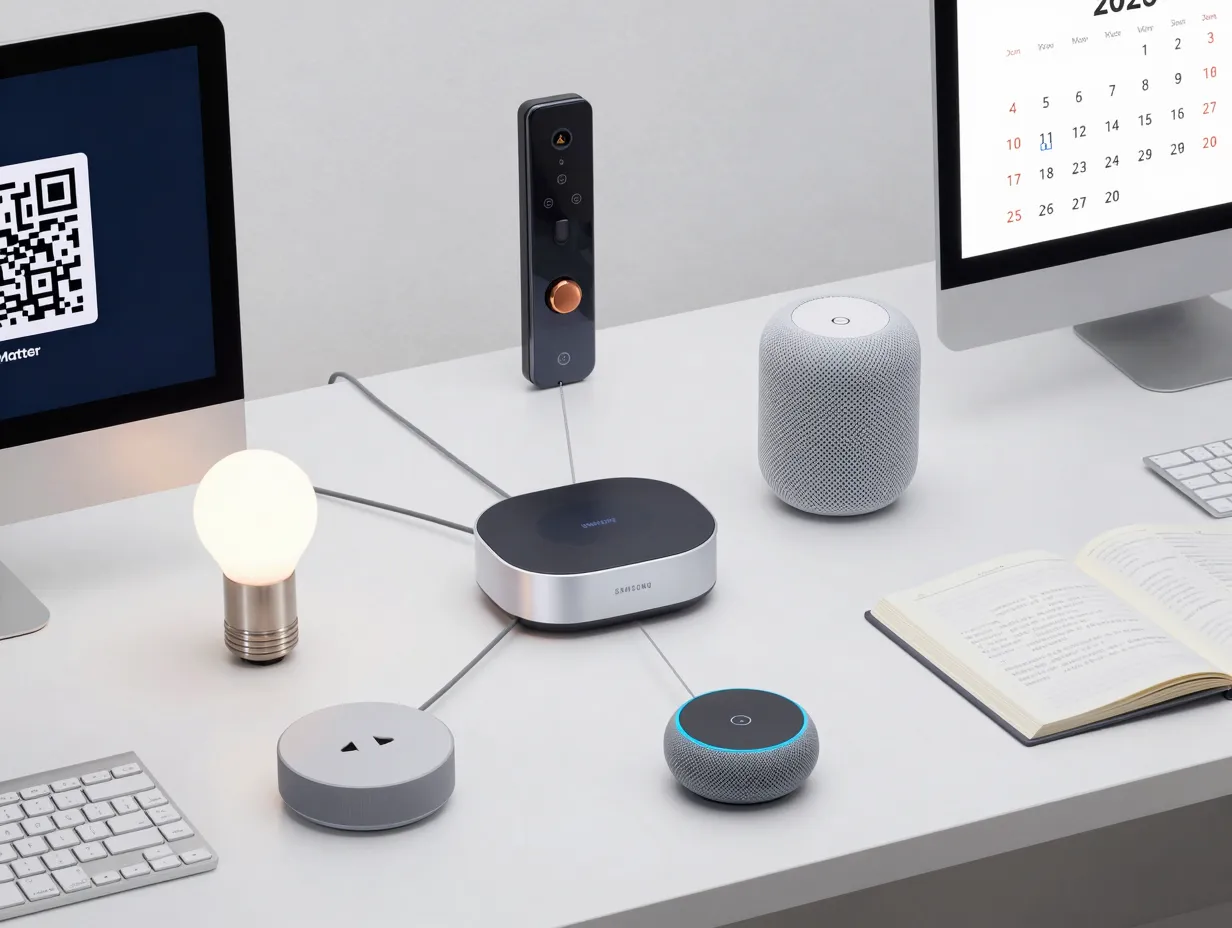
Interoperability is the single most important technical factor in any smart home purchase. A system that cannot communicate with devices from other brands forces buyers into a walled garden that becomes more expensive and restrictive over time.
Matter and Thread are now the baseline. Expert hub round-ups in 2026 consistently state that any hub worth buying must support both Matter (the application-layer standard) and Thread (the low-power mesh networking protocol) [23][24]. Leading hubs, including the Samsung SmartThings Station, Apple HomePod 2nd generation, Amazon Echo Hub, Hubitat C-8 Pro, Aqara M3, and Home Assistant Yellow, all advertise Matter controller capability and Thread border-router support as core specifications [20][24].
Matter 1.4, released in March 2026, materially expanded what “compatible” means. It added energy-management device classes, long-pending camera and video doorbell categories, and a redesigned multi-admin commissioning flow [16]. Matter 1.6, announced in June 2026, went further by improving multi-ecosystem device sharing, making it easier to use a single device across Apple Home, Google Home, Amazon Alexa, and other platforms without re-pairing [17].
What to check before buying:
- Does the hub act as a Thread border router?
- Is it listed as a Matter controller, not just a Matter device?
- Has the manufacturer committed to firmware updates for Matter 1.4 and 1.6 features?
- Does it support legacy protocols (Zigbee, Z-Wave) for devices already in the home?
A forward-looking development worth noting: in August 2026, the Broadband Forum introduced TR-517, a MatterService Data Model that combines the User Services Platform with Matter to provide a unified management API through ISP-provided routers and gateways [29]. Over the next product cycles, many consumers will manage smart home devices through their broadband gateway, making compatibility with these emerging management platforms a practical future-proofing criterion [29].
2. Ecosystem Fit and Hub Architecture
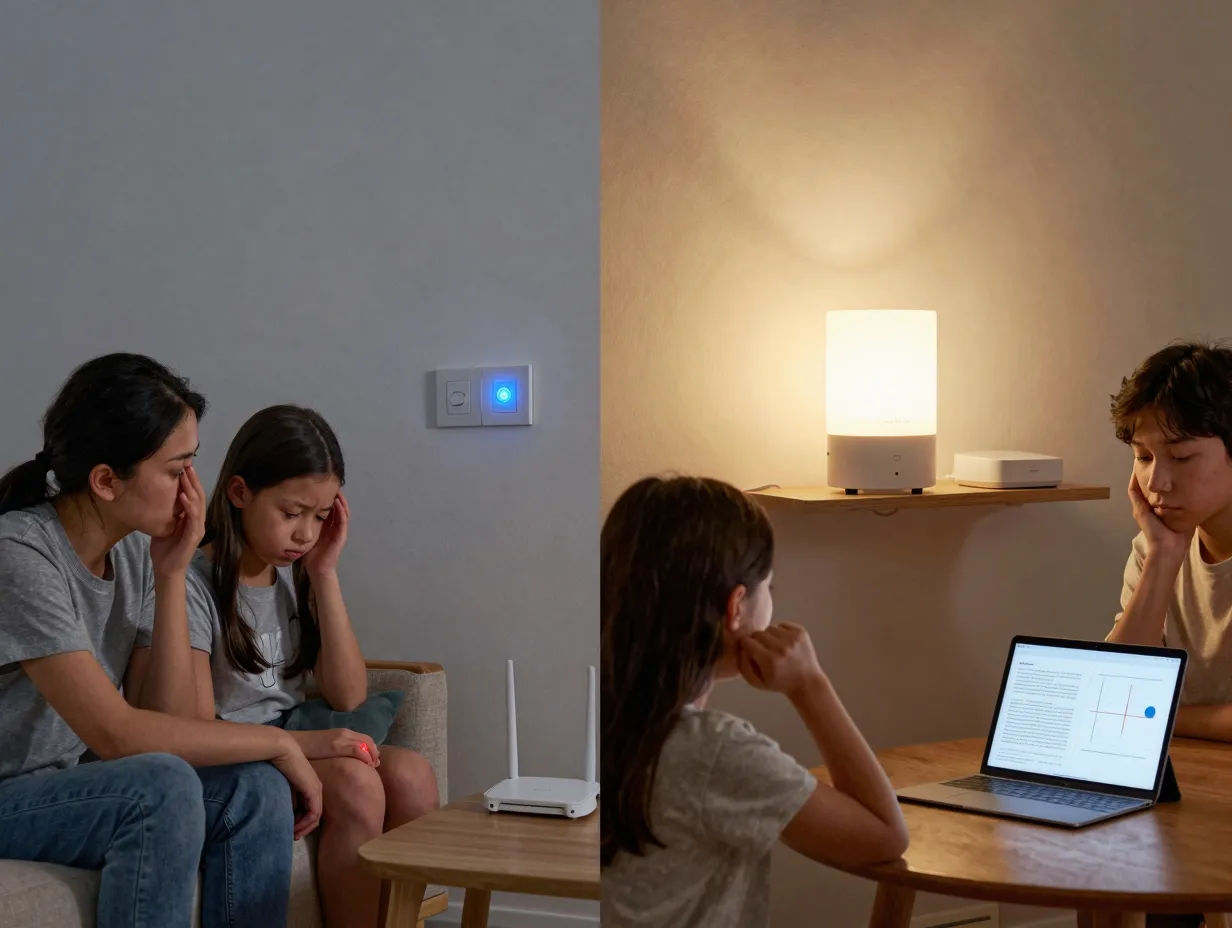
Protocol support tells buyers whether devices can connect. Ecosystem fit tells them whether those devices will actually work well together over time.
The core trade-off in 2026 is cloud-first versus local-first. Cloud-dependent hubs such as Amazon Echo and Google Nest score well on ease of setup, voice assistant quality, and AI-driven automation. However, they rely heavily on remote servers and stop responding during internet outages [18][20]. Local-first hubs, Hubitat Elevation C-8 Pro, Home Assistant Yellow and Green, and Homey Pro, run automations entirely on-device, meaning lights still turn on and locks still respond even when broadband is down [20][24][25].
Hub comparison at a glance:
| Hub | Local Processing | Matter Controller | Thread Border Router | Voice Assistant |
|---|---|---|---|---|
| Hubitat C-8 Pro | Full | Yes | Yes | Limited |
| Home Assistant Yellow | Full | Yes | Yes | Optional |
| Amazon Echo Hub | Partial | Yes | Yes | Alexa |
| Apple HomePod 2nd Gen | Partial | Yes | Yes | Siri |
| Samsung SmartThings Station | Partial | Yes | Yes | Bixby/Alexa |
| Aqara M3 | Full | Yes | Yes | Multi |
Ecosystem fit also means evaluating which device categories a platform supports fully. Expert guides note that platforms may expose different feature sets even when basic Matter compatibility exists [15]. Buyers should verify that their chosen hub handles the specific device types they need, cameras, locks, sensors, energy devices, rather than assuming broad Matter support equals full feature parity [30][19].
Regional availability is another dimension. In August 2026, Xiaomi announced plans to bring its full Mijia ecosystem to Europe, expanding the range of budget-friendly Matter-compatible devices in that market [13]. Buyers in regions where a brand is newly entering should factor in integration maturity and local support quality alongside headline compatibility claims [13][28].
3. Security and Privacy Architecture
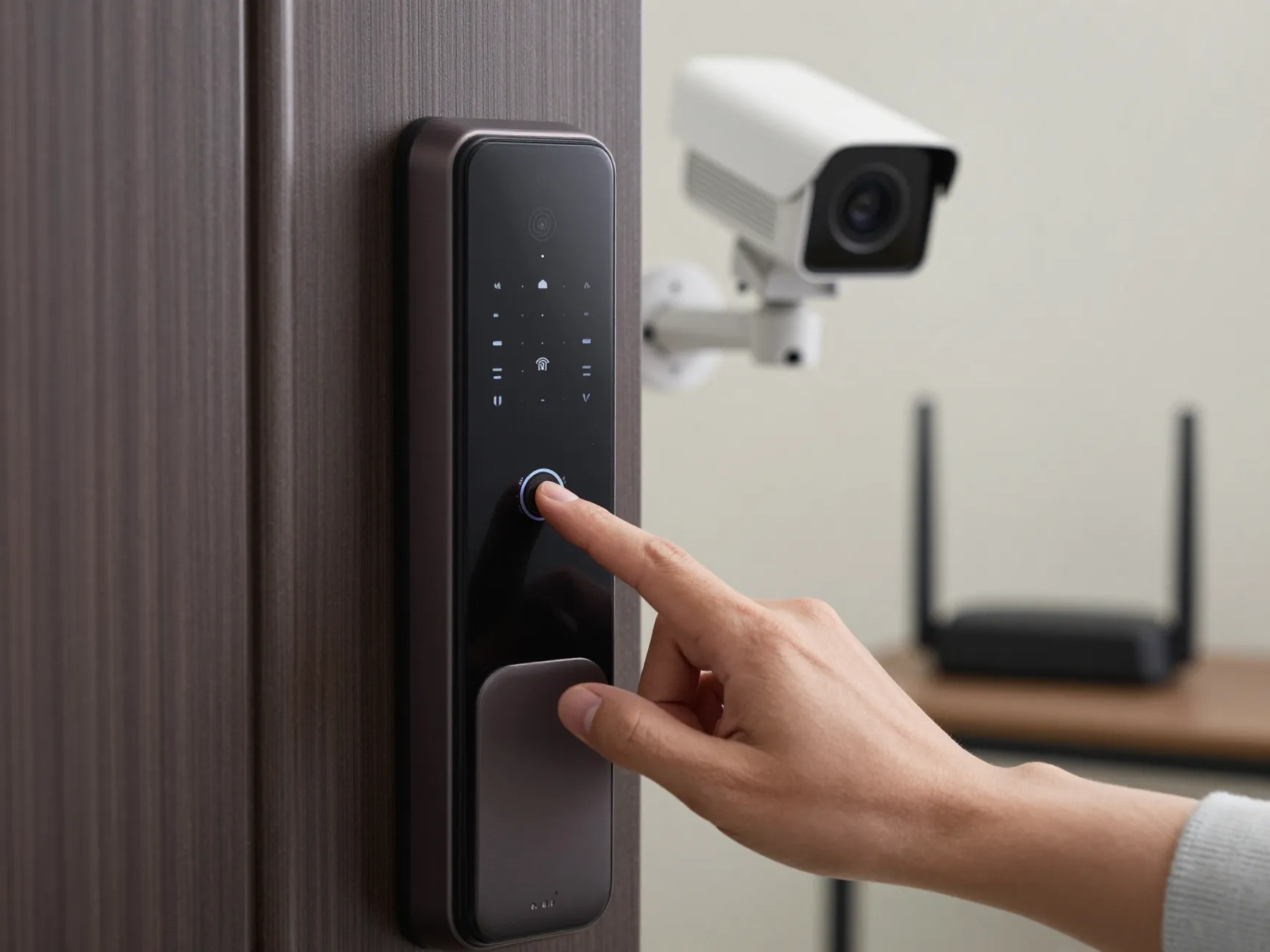
Smart home security in 2026 has moved well beyond “change the default password.” Three converging trends now define what a genuinely secure system looks like.
On-device AI and biometrics are replacing cloud-dependent detection. Expert forecasts for 2026 project AI camera adoption rising from 45% in 2025 to 65% in 2026, and biometric lock adoption growing from 22% to 40% of new installs [12]. On-device AI processes video and sensor data locally, reducing false alarms through person and package detection without sending footage to a remote server [10][12]. Biometric locks, fingerprint, face recognition, and palm vein, eliminate the physical key as a vulnerability [7][6].
Product Security 1.1 sets a new formal baseline. Published alongside Matter 1.6 in June 2026, Product Security 1.1 establishes explicit expectations for secure development practices, software update cadences, and vulnerability management in smart home products [27][17]. When evaluating a platform, buyers should ask whether the manufacturer has publicly committed to this standard and whether security patches are delivered automatically or require manual action.
Network architecture matters as much as device security. Security analysts in 2026 highlight network segmentation and zero-trust architectures as key practices for containing breaches within the home [6][7]. A compromised smart bulb should not be able to reach a security camera or a home server. Practical steps include:
- Placing IoT devices on a dedicated VLAN or guest network
- Choosing a hub that supports local processing to reduce the attack surface exposed to the internet
- Verifying that the platform encrypts data both in transit and at rest
- Checking the manufacturer’s track record for issuing security updates promptly
Privacy posture is a first-class selection criterion. Cloud-first platforms collect usage data, voice recordings, and behavioral patterns as a matter of course. Local-first platforms like Home Assistant and Hubitat are designed to keep that data on-premises. For buyers who consider home activity data sensitive, this distinction is not a minor preference, it is a fundamental architectural choice.
4. Reliability and Network Infrastructure
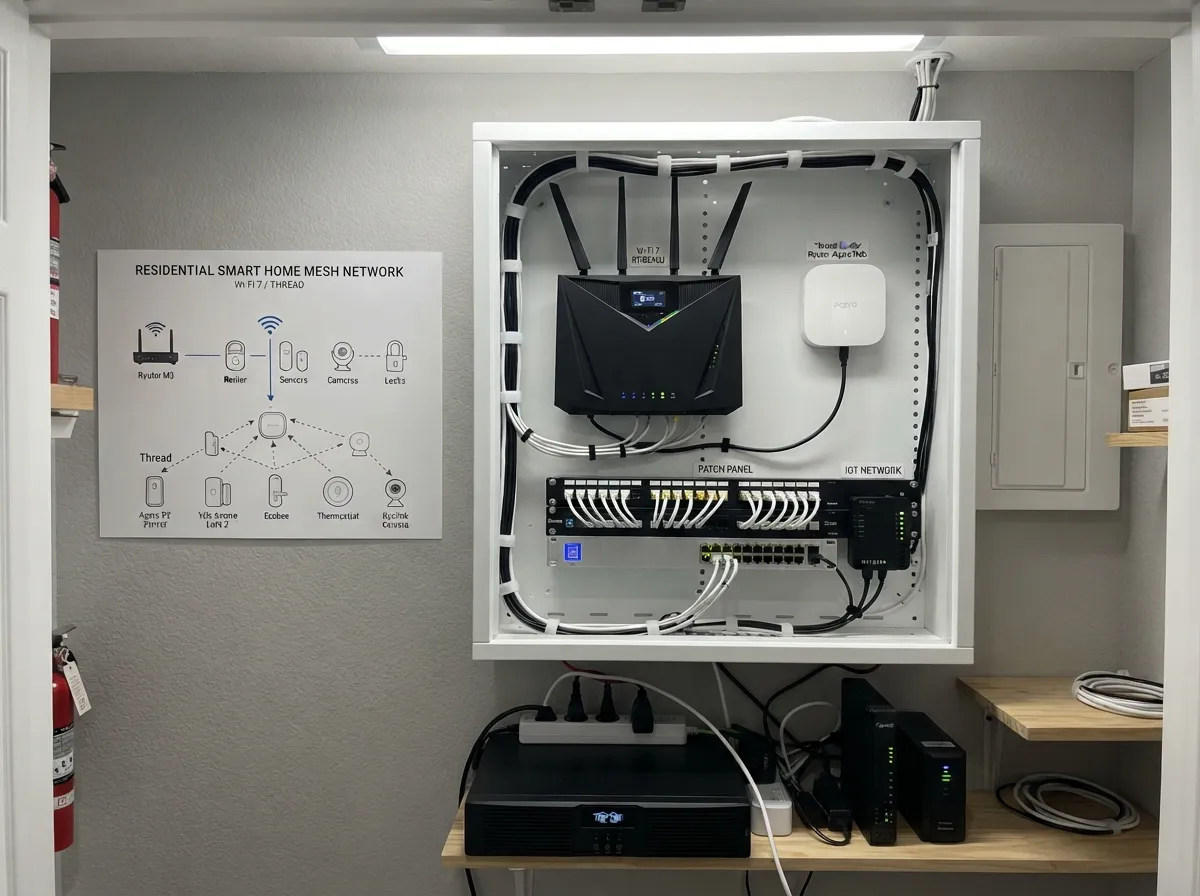
A smart home that fails when the internet goes down is not a smart home, it is a collection of expensive paperweights. Reliability in 2026 depends on three layers: the hub’s processing model, the wireless protocols in use, and the home’s network infrastructure.
Local processing is the most reliable failover. As noted above, cloud-dependent hubs lose automation capability during outages [18][20][25]. For homes where reliability is critical, families with young children, people with accessibility needs, or anyone using smart locks as their primary entry method, a local-first hub is not a luxury but a requirement.
Wi-Fi 6E and Wi-Fi 7 reduce congestion for high-bandwidth devices. Security cameras streaming continuous 4K video place significant demands on a home network. Smart home security trend reports for 2026 describe multi-path network resilience, combining Wi-Fi with 5G or LTE backup, as a key selling point for premium security plans [7][10]. A router that supports Wi-Fi 6E or Wi-Fi 7 reduces the interference and congestion that cause smart devices to drop off the network.
Thread mesh networking improves low-power device reliability. Unlike Wi-Fi, Thread creates a self-healing mesh where each compatible device acts as a router for others. This means that adding more Thread devices to a home generally improves network resilience rather than degrading it. For sensors, locks, and other battery-powered devices, Thread’s low power consumption also extends battery life significantly compared to Wi-Fi alternatives.
Reliability checklist:
- Does the hub run automations locally without internet access?
- Does the home router support Wi-Fi 6E or Wi-Fi 7 for high-bandwidth devices?
- Are critical devices (locks, alarms, cameras) connected via Thread or Zigbee rather than Wi-Fi to reduce congestion?
- Is there a backup connectivity option (4G/LTE router or mobile hotspot) for security-critical functions?
- Has the hub manufacturer published an uptime or reliability commitment?
5. Energy Management and Sustainability Integration
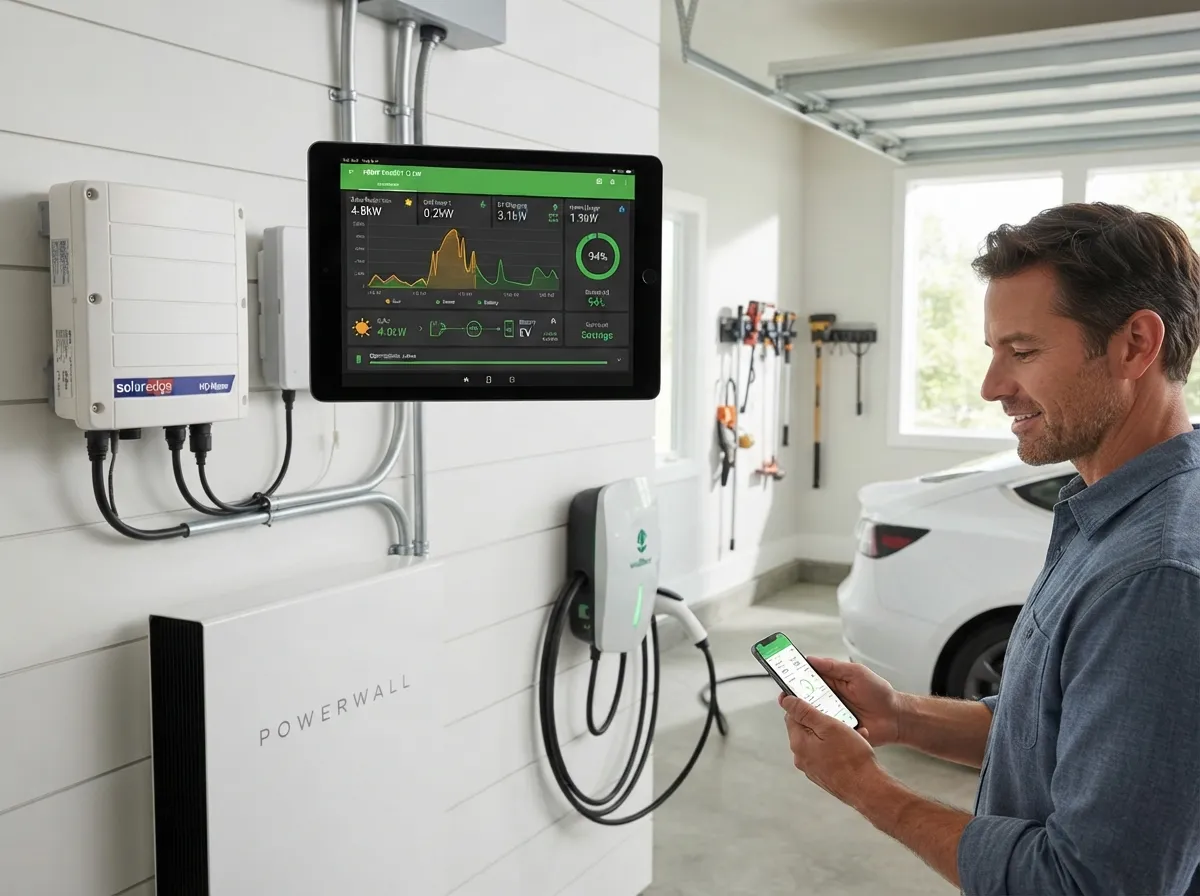
Energy management has shifted from a niche feature to a core planning consideration, driven by both regulatory change and the expansion of Matter itself.
Matter 1.4 made energy a first-class smart home category. Released in March 2026, Matter 1.4 added dedicated energy-management device classes and EV charger support, meaning that future systems will increasingly integrate real-time energy data into automations, for example, shifting high-consumption loads to periods when solar production peaks or grid tariffs drop [16][30]. Buyers evaluating platforms today should ask whether their chosen hub already supports these Matter 1.4 energy device types or has a published roadmap to do so.
Plug-in solar is now a mainstream consideration in some regions. In August 2026, UK regulatory changes made plug-in solar systems, where compliant panels and batteries connect to a standard household socket, officially legal [2][1]. Smart home platforms that can coordinate solar generation, battery storage, and flexible loads (washing machines, EV chargers, water heaters) deliver measurable cost savings and reduce grid dependence. This positions the smart home hub as an energy coordination layer, not just a device controller [2][1].
What energy-aware buyers should evaluate:
- Does the platform support real-time energy monitoring at the circuit or device level?
- Can automations be triggered by energy price signals or solar production data?
- Does the hub support EV charger control under Matter 1.4?
- Is battery storage (home energy storage systems) on the platform’s compatibility list?
Even for buyers not currently considering solar or EVs, choosing a platform that supports these categories now avoids a costly migration later as energy management becomes standard in new construction and retrofit projects.
6. Vendor Stability, Ecosystem Longevity, and Total Cost of Ownership
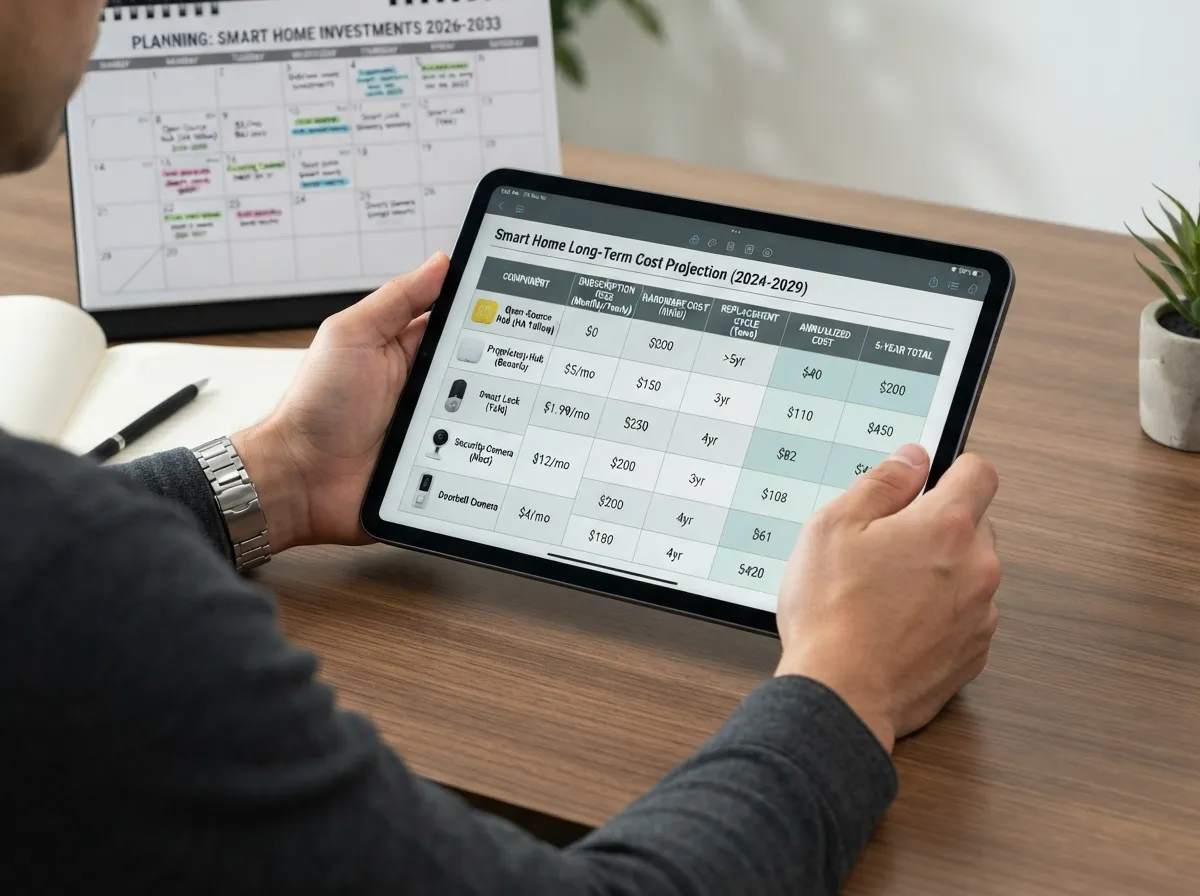
The most technically capable smart home system is worthless if the vendor discontinues it in three years. Vendor stability is not a glamorous selection criterion, but it is one of the most consequential.
Market scale correlates with longevity. The global connected homes market is on a trajectory from US$135.9 billion in 2026 to US$368.1 billion by 2033 [5]. Platforms backed by companies with significant revenue, large installed bases, and active developer communities are far more likely to continue receiving security patches, new device certifications, and feature updates over that period. Statista-based analyses report smart home market revenues heading toward US$225.7 billion by 2029 [14][11], underscoring that the category is not going away, but individual vendors can and do exit.
Open-source and self-hosted platforms offer a different kind of longevity. Home Assistant, for example, is maintained by a large open-source community and can continue operating even if the commercial entity behind it changes direction. For buyers who want maximum long-term control, this model provides a hedge against vendor lock-in that proprietary platforms cannot match [20][24][25].
Total cost of ownership extends beyond the purchase price. Subscription fees for cloud storage, professional monitoring, or advanced AI features can accumulate significantly over a five-year period. When comparing platforms, buyers should calculate:
- Monthly or annual subscription costs for core features (cloud storage, remote access, AI alerts)
- Hardware upgrade cycles driven by protocol changes or end-of-life announcements
- The cost of replacing incompatible devices if switching ecosystems
- Professional installation costs versus DIY setup complexity
Questions that reveal vendor stability:
- How long has the company been in the smart home market?
- Does the platform have an active developer community and third-party integration library?
- Has the vendor committed to Matter support in writing, with a timeline?
- What is the company’s policy on end-of-life devices, do they continue receiving security updates?
- Is there a clear data portability or export option if the service is discontinued?
Applying the 6 Key Factors for Choosing the Perfect Smart Home System in Practice
Understanding each factor individually is useful. Applying them together as a decision framework is what separates a well-planned smart home from an expensive experiment.
A practical evaluation sequence:
- Start with ecosystem fit, identify which voice assistant and mobile platform (iOS or Android) is already in use, then find hubs that integrate cleanly with that environment.
- Verify Matter and Thread support, confirm the hub acts as both a Matter controller and a Thread border router before shortlisting any specific model.
- Assess the local versus cloud trade-off, decide whether reliability during outages or ease of setup is the higher priority, then choose accordingly.
- Map security requirements, if cameras, locks, or alarm systems are involved, evaluate on-device AI capabilities, Product Security 1.1 compliance, and network segmentation options.
- Plan for energy, even if solar or EV charging is not an immediate need, confirm the platform supports Matter 1.4 energy device types.
- Calculate total cost of ownership, include subscriptions, hardware replacement cycles, and the realistic cost of switching ecosystems in five years.
This sequence ensures that the most foundational decisions (interoperability, local processing) are made before the more feature-specific ones (AI alerts, energy dashboards), reducing the risk of building on an incompatible foundation.
Conclusion
The 6 key factors for choosing the perfect smart home system, interoperability and protocol support, ecosystem fit and hub architecture, security and privacy, reliability and network infrastructure, energy management, and vendor stability, form an interconnected framework rather than a simple checklist. A hub that scores well on ease of use but fails on local processing will let buyers down during an outage. A platform with excellent AI features but no commitment to Matter 1.4 energy devices will require a costly upgrade within two years.
Actionable next steps:
- Audit current devices and identify which protocols they use (Zigbee, Z-Wave, Wi-Fi, Thread) before selecting a hub.
- Test the shortlisted hub’s offline behavior by temporarily disabling broadband and verifying that automations still run.
- Review the manufacturer’s security update history, look for a published vulnerability disclosure policy and a track record of timely patches.
- Request a written commitment on Matter 1.4 and 1.6 firmware update timelines before purchasing a hub at the premium end of the market.
- Revisit the energy management capabilities of the chosen platform annually, as Matter 1.4 device support rolls out through Q2 and Q3 2026 and beyond.
The smart home market’s scale and growth trajectory mean that major platforms will continue to evolve. Buyers who apply these six factors rigorously today will build systems that absorb that evolution rather than being disrupted by it.
References
[1] Smart Home – https://www.t3.com/home-living/smart-home
[2] Smart Home Launches August 2026 – https://www.t3.com/home-living/smart-home/smart-home-launches-august-2026
[3] Smart Home – https://uk.pcmag.com/smart-home
[5] Connected Homes Market – https://www.persistencemarketresearch.com/market-research/connected-homes-market.asp
[6] Smart Home Security In 2026 – https://euro-security.de/en/smart-home-security-in-2026/
[7] The Future Of Smart Home Security Expert Insights On 2026 Trends – https://cctvhelpline.com/the-future-of-smart-home-security-expert-insights-on-2026-tr
[10] New Home Security Technologies – https://www.yahoo.com/lifestyle/tech/smart-home/article/new-home-security-technologies-140046024.html