6 Innovative 3D Printer Products That Are Changing How We Make Things
A one-cubic-meter printer that fits in a garage. A metal printer that thinks for itself and works ten times faster. A concrete printer that can raise a wall in hours instead of days. None of this was mainstream even three years ago, and yet by mid-2026 all of it shipped as commercial hardware. The 3D printing industry did not creep forward this year. It leapt.
Disclosure: This post contains affiliate links. As an Amazon Associate, we earn from qualifying purchases, and at no extra cost to you.
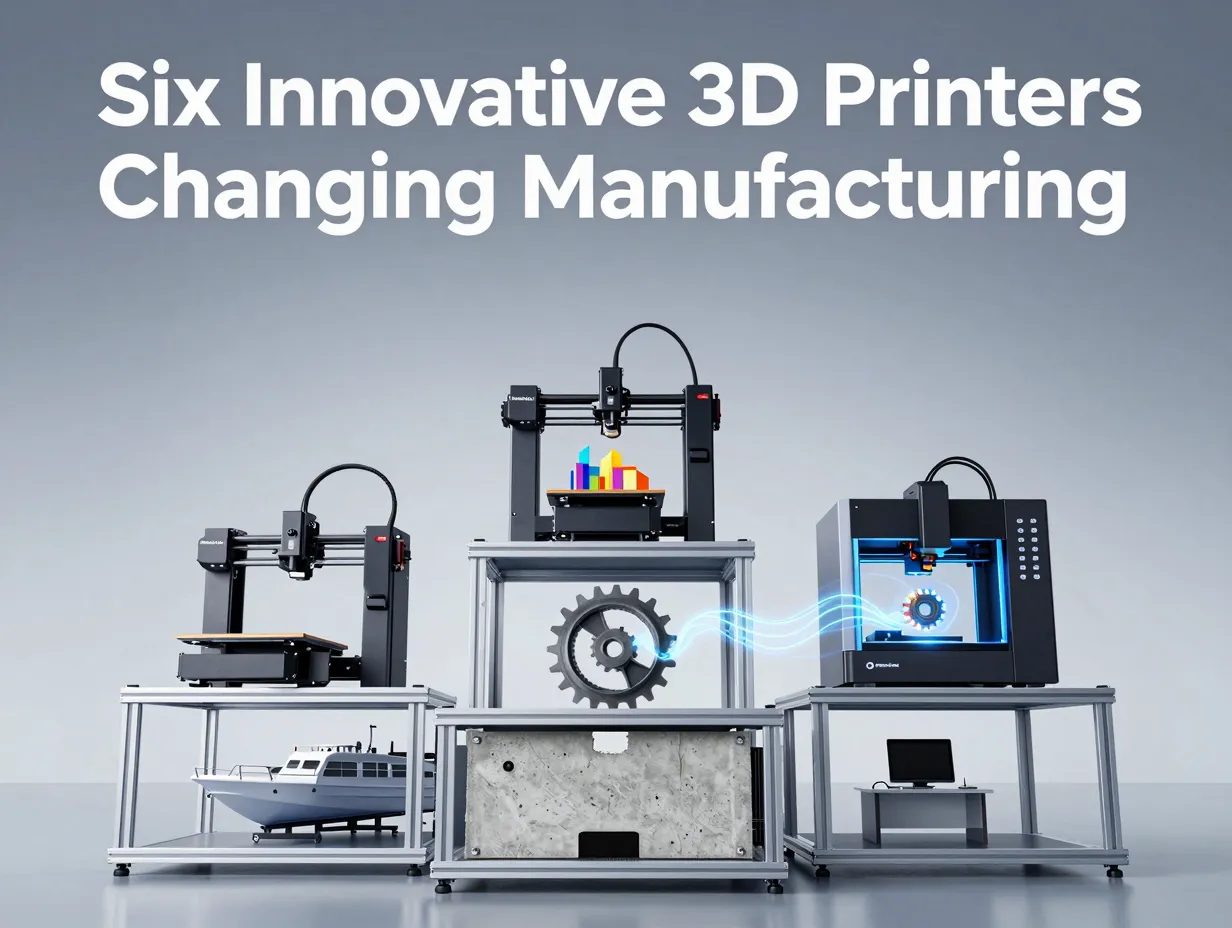
This article breaks down 6 innovative 3D printer products that are changing how we make things right now, from garage hobbyist desks to industrial concrete construction sites. Each machine on this list represents a specific shift: cheaper access to large-format printing, faster metal production, smarter beginner tools, or entirely new materials like sprayable concrete. Together, they sketch out where manufacturing, prototyping, and even home improvement are headed for the rest of the decade.
Key Takeaways
- Large-format, multi-color printing has dropped in price dramatically, led by machines like the Bambu Lab A2L, making prosumer-grade output accessible to small studios and schools [4].
- Industrial-scale FDM printing with build volumes around one cubic meter, such as the Kentstrapper Mille System, is putting factory-scale output within reach of smaller shops [5].
- AI-accelerated metal printing, exemplified by the Precision Additive PA-300, is compressing production timelines by as much as 10 times compared to older powder bed fusion systems [10].
- Construction-grade 3D printing, including Titan America’s xForm3D concrete system, is moving additive manufacturing from prototypes into actual buildings [6].
- Beginner-friendly smart printers, like the CES 2026 award-winning Creality SPARKX i7, are lowering the barrier to entry for first-time users [9].
Why 2026 Is a Turning Point for Additive Manufacturing
The additive manufacturing world has spent two decades chasing three goals: bigger build volumes, faster production, and lower costs. For most of that time, achieving one usually meant sacrificing another. A machine that could print large parts was slow. A machine that printed fast was often small or expensive. That trade-off is finally breaking down.
Industry analysts tracking additive manufacturing trends for 2026 point to a pattern of machines getting “smaller, smoother, and smarter” at the same time, rather than forcing buyers to pick just one advantage [8]. New composite-based additive manufacturing methods and advanced material formulations are also expanding what printers can actually build, moving well past basic plastic prototypes into functional, load-bearing parts [8].
At the same time, trade shows like CES 2026 highlighted a wave of printers aimed squarely at first-time buyers, proving that ease of use is now considered just as important as raw performance [9]. This combination of speed, scale, and simplicity is exactly why the 6 innovative 3D printer products that are changing how we make things featured below matter. They are not incremental updates. Each one solves a specific bottleneck that used to limit what 3D printing could realistically do.
The 6 Innovative 3D Printer Products That Are Changing How We Make Things
The following six machines were chosen because each one pushes a different boundary: affordability, build size, production speed, material innovation, or accessibility for beginners. Together they represent a fairly complete picture of where consumer and industrial 3D printing stood in 2026.
1. Bambu Lab A2L: Affordable Large-Format Multi-Color Printing
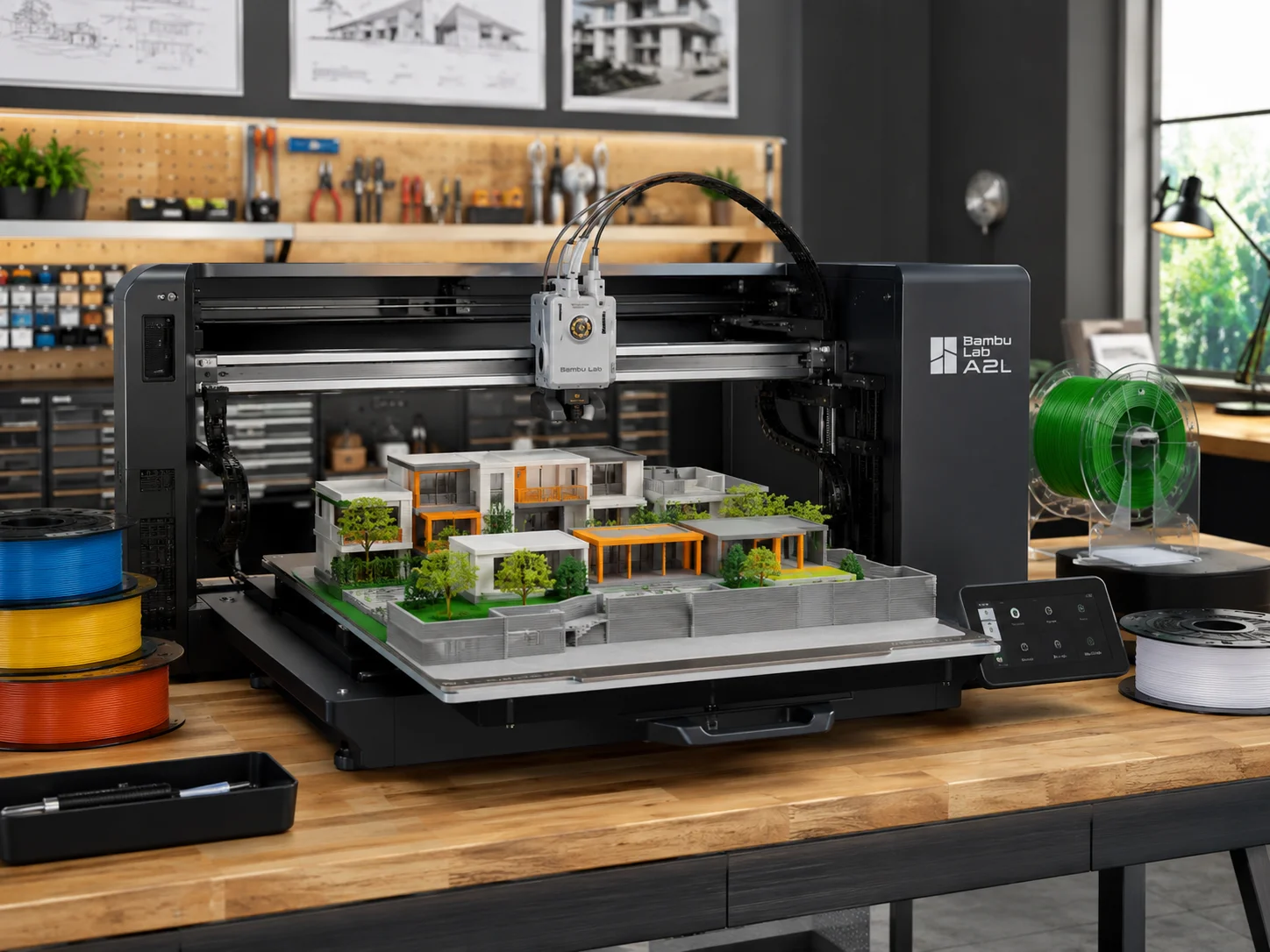
The Bambu Lab A2L, launched in July 2026, tackles a problem that has frustrated hobbyists and small studios for years: large prints in multiple colors used to require either an expensive machine or a lot of manual filament swapping. The A2L expands on Bambu Lab’s earlier multi-material systems while stretching the build volume enough to handle bigger single-piece objects without splitting them into smaller parts [4].
What makes this printer notable is not just the size increase. It is the price point at which that size arrives. Reviewers covering the July 2026 industry roundup noted that the A2L sits in a sweet spot for makers who outgrew entry-level printers but are not ready for a fully industrial machine [4]. For classrooms, product designers, and small businesses producing display models or signage, that middle tier has historically been thin. The A2L fills it.
Practical use cases include:
- Multi-color architectural models and signage
- Cosplay and prop-making projects that need larger single prints
- Small-batch product prototypes with branded color schemes
2. Kentstrapper Mille System: One Cubic Meter of Accessible Industrial Printing
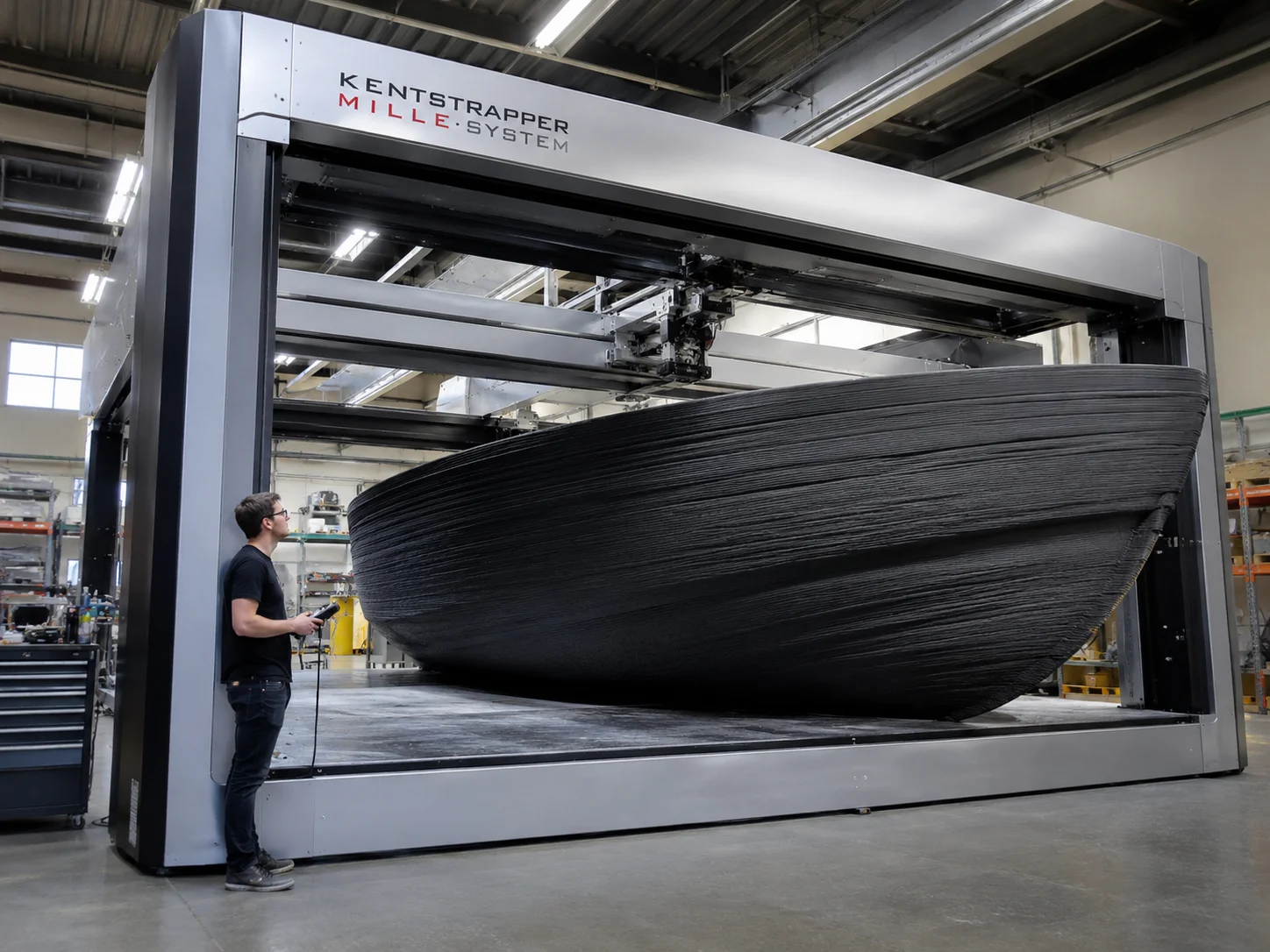
Released on July 13, 2026, the Kentstrapper Mille System is built around a strikingly large one-cubic-meter build volume, a figure that used to be reserved for six-figure industrial machines [5]. What sets the Mille apart is that it brings that scale down to a price and footprint that smaller manufacturing shops, universities, and design firms can actually justify.
Large build volumes matter because they eliminate the need to print objects in sections and glue or bolt them together afterward. A single-piece boat hull mockup, a full-scale furniture prototype, or a large architectural maquette can now be printed as one continuous object. This reduces assembly time, improves structural integrity, and cuts down on visible seams.
The Mille System reflects a broader trend covered in July 2026 industry analysis: FDM technology is scaling up in size faster than it is scaling up in price, which is reshaping expectations for what “accessible” printing looks like [5].
3. Formlabs Fuse X1: Production-Grade SLS Enters the Mid-Market
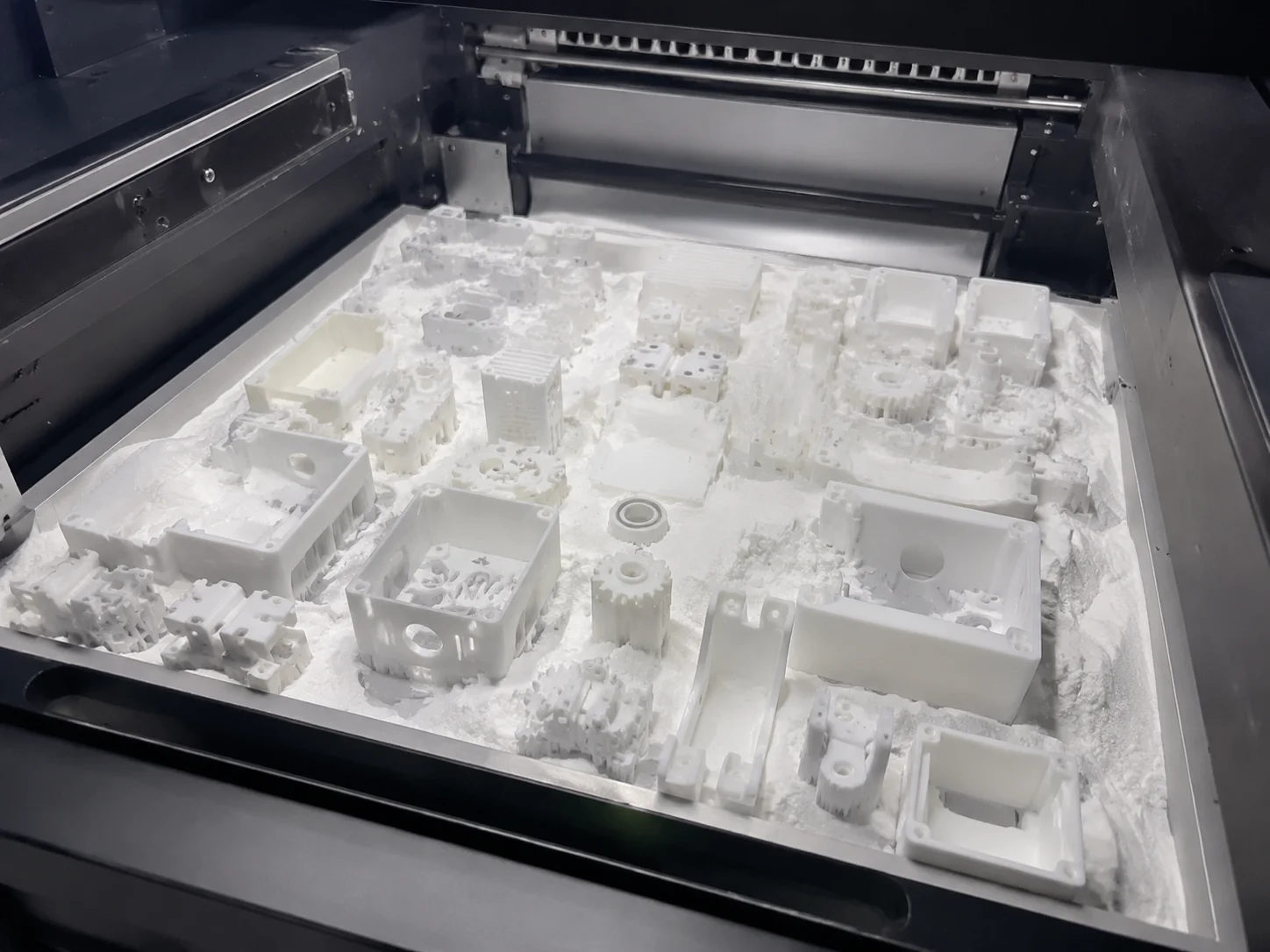
Selective laser sintering, or SLS, has long been considered the gold standard for durable, functional plastic parts. It produces strong nylon components without support structures, which is ideal for hinges, brackets, and end-use parts. The catch has always been cost. SLS machines traditionally lived firmly in the industrial price bracket.
The Formlabs Fuse X1, released July 3, 2026, changes that equation. Coverage of new printer releases that month described the Fuse X1 as a production-grade SLS system pushed deliberately into the mid-market, giving smaller manufacturers and product development teams access to a process that used to require outsourcing to a service bureau [6].
This matters for anyone building functional prototypes rather than just visual ones. A part that needs to survive repeated stress, like a snap-fit enclosure or a small mechanical gear, performs far better coming out of an SLS machine than a typical FDM printer. Bringing that capability in-house, instead of shipping designs out to a third-party print farm, shortens development cycles significantly.
4. Precision Additive PA-300: AI-Accelerated Metal Printing Up to Ten Times Faster
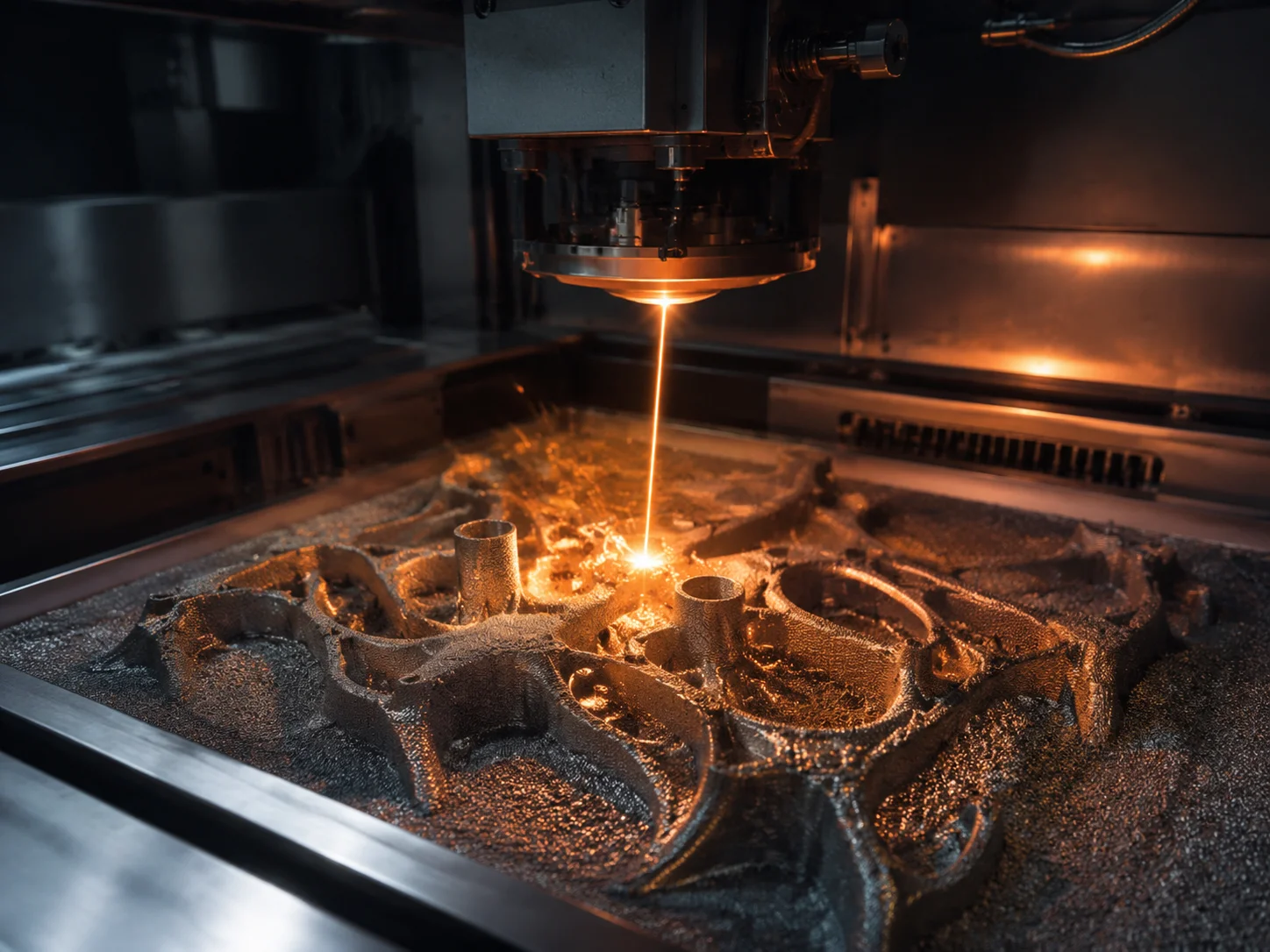
Metal 3D printing, specifically powder bed fusion, has always been slow. Building metal parts layer by layer with a laser is a painstaking process, and that speed limitation has kept metal printing largely confined to aerospace, medical, and high-value tooling applications where cost was less of a concern.
The Precision Additive PA-300, announced January 30, 2026, directly attacks that speed problem using AI-driven process control. Reports on additive manufacturing breakthroughs for the year describe the PA-300 as capable of printing up to ten times faster than conventional metal powder bed fusion systems, achieved by using machine learning to optimize laser paths and reduce wasted movement in real time [10].
A tenfold speed increase is not a minor tweak. It fundamentally changes the economics of metal printing. Parts that once took days to complete can be finished in hours, which opens the door to metal 3D printing being used for higher-volume production runs rather than just one-off prototypes or ultra-specialized components.
5. Titan America xForm3D: Commercial-Grade 3D-Printable Concrete
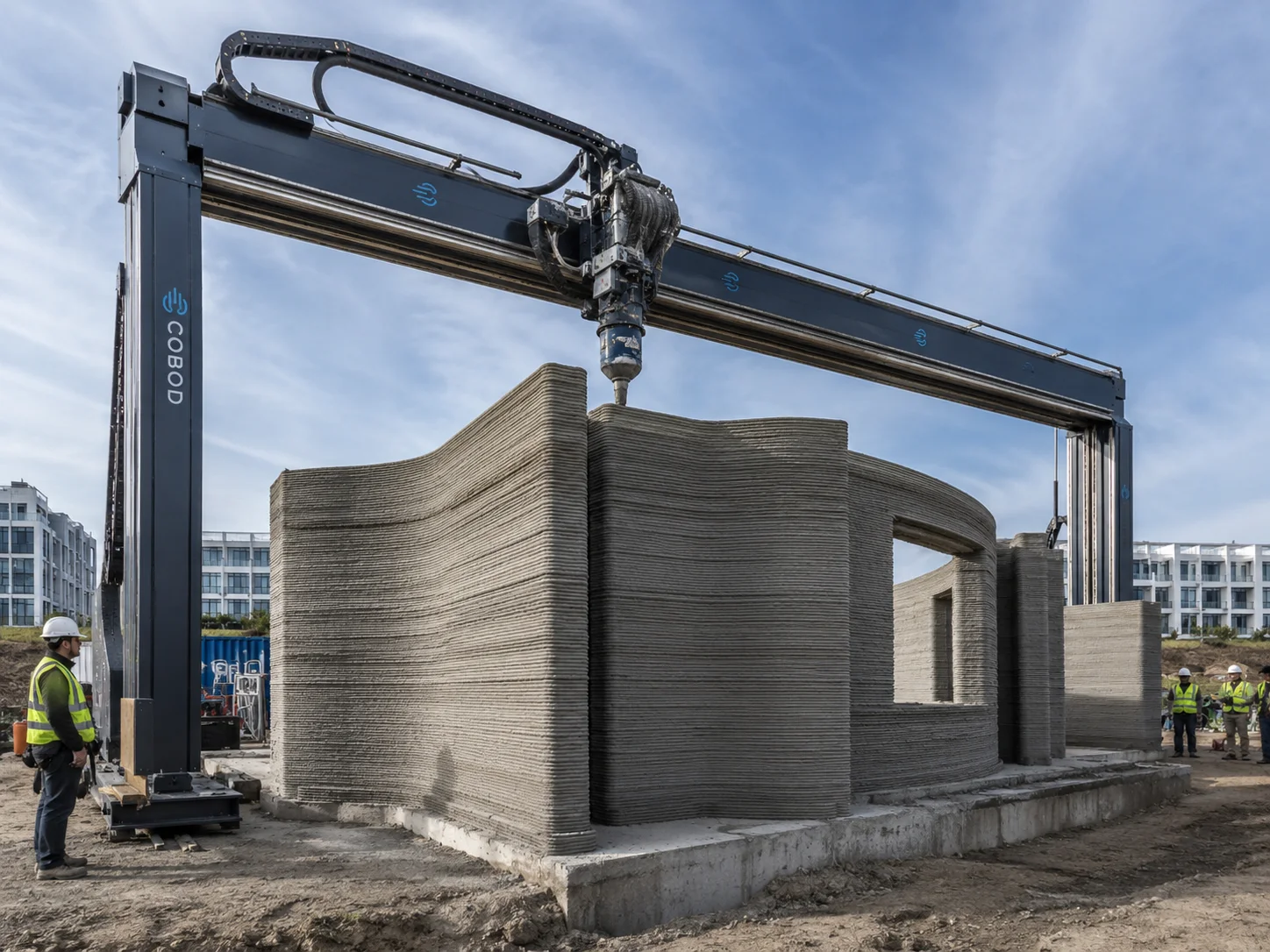
Construction is one of the last major industries to fully embrace additive manufacturing, largely because concrete behaves very differently from plastic or metal powder. It needs to flow, then set, at controlled rates without collapsing under its own weight as layers stack.
Titan America’s xForm3D system, announced July 18, 2026, is a commercial-grade 3D-printable concrete formulation designed specifically to solve this problem at scale [6]. Rather than being a printer in the traditional sense, xForm3D pairs specialized material chemistry with gantry-style printing equipment to extrude structural walls layer by layer on job sites.
The implications go beyond novelty builds. 3D-printed concrete construction promises faster build timelines, reduced labor requirements for basic wall assembly, and design flexibility that traditional formwork struggles to match, such as curved walls that would otherwise require expensive custom molds. As material science around printable concrete matures, this category could meaningfully affect how affordable housing and small commercial structures get built.
6. Creality SPARKX i7: Best 3D Printer of CES 2026 for Beginners
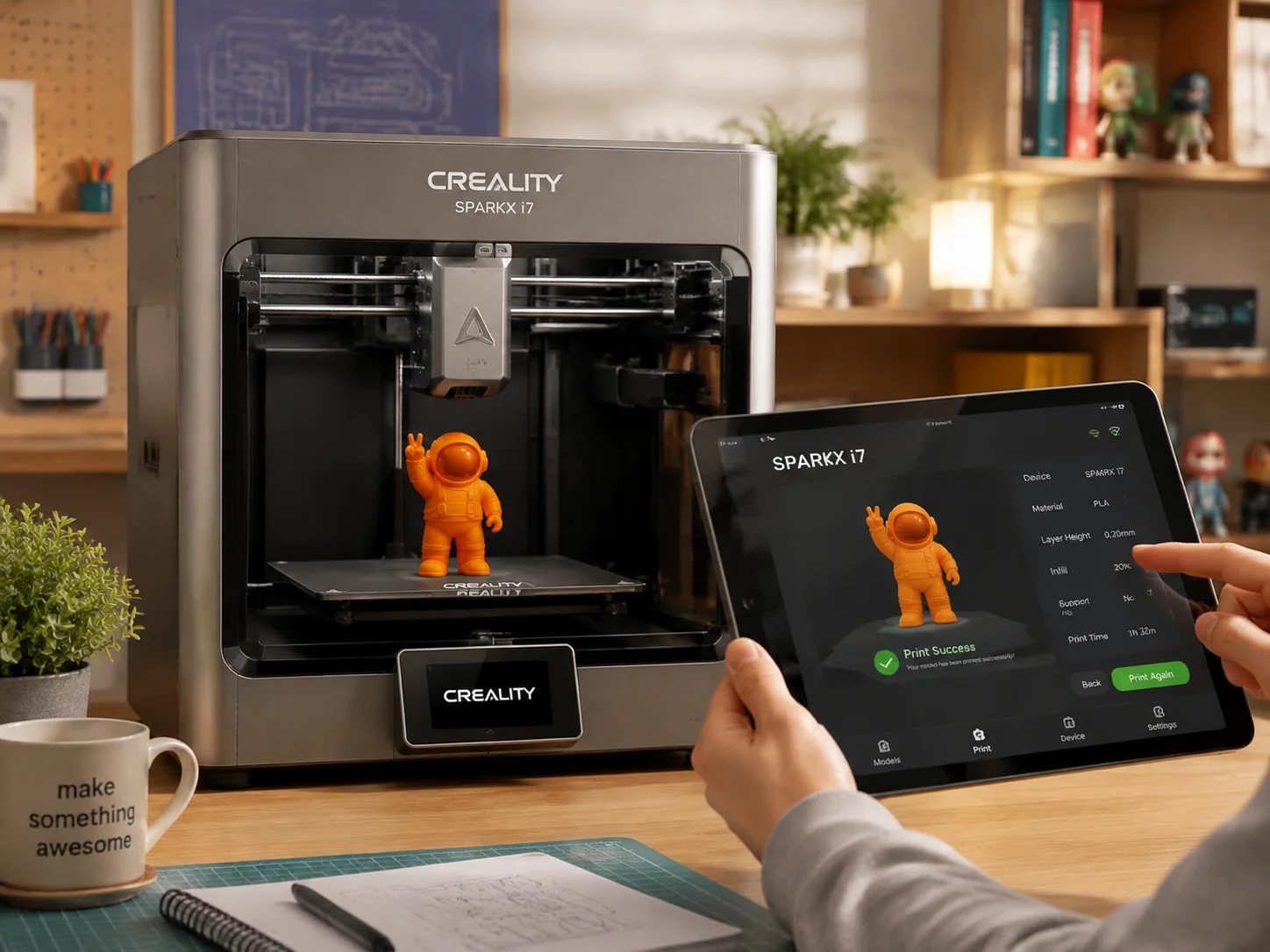
Not every meaningful innovation is about pushing technical limits. Sometimes it is about removing friction for people who have never touched a 3D printer before. The Creality SPARKX i7 earned recognition as the Best 3D Printer of CES 2026, largely because of how it handles onboarding and everyday use for beginners [9].
Coverage from CES 2026 highlighted a broader shift toward smart, automated printers that handle calibration, filament detection, and troubleshooting without requiring the user to understand the mechanics underneath [9]. The SPARKX i7 leans heavily into that philosophy, prioritizing guided setup and intuitive software over raw specifications.
For hobbyists, teachers, and small business owners who simply want to print an object without wrestling with settings, this kind of accessibility has real value. It is part of why beginner-friendly design has become just as newsworthy in the 3D printing world as speed or build volume.
How These 6 Innovative 3D Printer Products That Are Changing How We Make Things Compare
Each machine on this list solves a different problem, so comparing them side by side helps clarify which type of buyer each one actually serves.
| Product | Category | Standout Advantage | Best Suited For |
|---|---|---|---|
| Bambu Lab A2L | Prosumer FDM | Large multi-color builds at accessible pricing [4] | Studios, schools, product designers |
| Kentstrapper Mille System | Industrial-scale FDM | One cubic meter build volume [5] | Small manufacturers, universities |
| Formlabs Fuse X1 | Production SLS | Durable functional parts, mid-market pricing [6] | Product development teams |
| Precision Additive PA-300 | AI metal powder bed fusion | Up to 10x faster metal printing [10] | Manufacturers scaling metal production |
| Titan America xForm3D | 3D-printable concrete | Structural construction printing [6] | Construction and building firms |
| Creality SPARKX i7 | Beginner smart printer | CES 2026 award-winning ease of use [9] | First-time hobbyists, classrooms |
“The real story of 2026 is not one breakthrough machine. It is six different bottlenecks getting solved at the same time, across price, size, speed, material, and usability.”
No single machine on this list is objectively “best.” The right choice depends entirely on whether the priority is price, scale, speed, material strength, or simplicity.
Beyond the Top 6: Other 2026 Innovations Worth Watching
The six products above are not the whole story. Several other releases in 2026 reflect the same forces reshaping the industry and deserve a mention.
The Snapmaker U1 combines 3D printing, laser engraving, and CNC milling into one accessible machine, giving makers three fabrication methods without buying three separate tools [6]. Prusa’s INDX tool-changing platform and Core One+ system introduced modular, multi-tool workflows that let a single printer switch between different print heads for more complex, multi-material jobs [4]. AtomForm’s Palette 300, shown at CES 2026, uses twelve nozzles to dramatically speed up multi-material prototyping for design teams that need many variations quickly [9].
On the metal side, Xact Metal’s XM200G µHD is expected to arrive in late 2026 with a focus on micro-powder printing, aimed at producing finer, more detailed metal features than current systems allow. And consumer applications are expanding too: Superfeet’s iPhone-based scanning technology, introduced in July 2026, lets people scan their own feet to generate custom 3D-printed insoles, a clear example of mass customization moving from industrial labs into everyday retail [4].
Analysts also point to composite-based additive manufacturing, often shortened to CBAM, as one of the defining material trends of the year, combining fibers and polymers to create parts that are lighter and stronger than standard plastic prints [8]. Broader roundups of 2026 additive manufacturing news echo the same theme found across this entire list: printers are becoming faster, more specialized, and more approachable all at once [10].
Frequently Asked Questions
What makes a 3D printer product “innovative” in 2026 rather than just an upgrade?
True innovation in 2026 tends to solve a specific bottleneck rather than simply improving specs slightly. The machines featured here each remove a barrier, whether that is price, build size, speed, material limitations, or ease of use, rather than offering marginal gains over last year’s models [8].
Is large-format printing like the Bambu Lab A2L worth it for casual hobbyists?
It depends on project size. If most prints are small figurines or simple parts, a large-format machine is unnecessary. But for anyone regularly printing bigger single-piece objects, models, or props, the reduced need for assembly and seams makes a large-format printer like the A2L genuinely useful [4].
How much faster is AI-accelerated metal printing really?
Reports on the Precision Additive PA-300 describe speed improvements up to ten times faster than conventional metal powder bed fusion systems, achieved through AI-optimized laser pathing [10]. Actual results vary by part complexity and material, but the underlying efficiency gains are substantial.
Can 3D-printed concrete actually be used for real construction projects?
Yes, and Titan America’s xForm3D system was specifically developed as a commercial-grade material for structural printing rather than a demonstration product [6]. It is designed to be used on active construction sites, not just in labs.
Which of these six printers is best for someone who has never 3D printed before?
The Creality SPARKX i7 is the strongest fit for beginners. It was recognized as the Best 3D Printer of CES 2026 specifically because of its guided setup and automated calibration, which removes much of the technical learning curve [9].
Conclusion
The 6 innovative 3D printer products that are changing how we make things in 2026 all share one trait: each one closes a gap that used to force buyers to compromise. Large builds no longer mean high prices. Metal printing no longer means waiting days. Concrete printing no longer means staying in a lab. And getting started no longer means fighting through confusing software.
For anyone evaluating a next 3D printing purchase, the smartest first step is matching the actual need to the right category rather than chasing the flashiest specs. A hobbyist upgrading from a small desktop printer should look closely at accessible large-format options like the Bambu Lab A2L. A small manufacturer weighing outsourced metal parts against an in-house solution should investigate AI-accelerated systems like the Precision Additive PA-300. And anyone building a business case for 3D printing in construction should track how commercial concrete systems like xForm3D perform on real job sites over the next year.
The pace of change in this industry shows no sign of slowing. Staying informed on which machines actually solve real problems, rather than which ones simply generate headlines, will remain the best strategy for making a smart investment in 2026 and beyond.
References
[1] Best 3d Printer 2026 What Should I Actually Be – https://www.reddit.com/r/3dprinter/comments/1sms600/best_3d_printer_2026_what_should_i_actually_be/
[2] The Best 3d Printers – https://www.pcmag.com/picks/the-best-3d-printers
[3] Best 3d Printers 2026 – https://robotreviewdesk.com/guides/best-3d-printers-2026/
[4] 3d Printing Industry Roundup July 2026 Bambu Lab A2l Esun Medical Polymaker Engineering More – https://www.innostation3d.com/en/blogs/3d-college/3d-printing-industry-roundup-july-2026-bambu-lab-a2l-esun-medical-polymaker-engineering-more
[5] 3d Printing 2026 07 13 – https://shamylmansoor.com/blog/3d-printing-2026-07-13/
[6] New 3d Printers Roundup – https://thenextlayer.com/new-3d-printers-roundup/
[7] Best 3d Printers – https://www.tomshardware.com/best-picks/best-3d-printers
[8] Smaller Smoother Smarter Trends To Watch In Additive Manufacturing For 2026 – https://www.additivemanufacturing.media/articles/smaller-smoother-smarter-trends-to-watch-in-additive-manufacturing-for-2026
[9] 3d Printing Innovations Ces 2026 14012026 – https://www.3dnatives.com/en/3d-printing-innovations-ces-2026-14012026/
[10] Additive Manufacturing News Today Key Breakthroughs 2026 – https://futuretools.ae/additive-manufacturing-news-today-key-breakthroughs-2026/