6 Watch Design Concepts Shaping The Future Of Wearable Tech
The global smartwatch market is projected to surpass $96 billion by 2027, yet most consumers still buy wearables that look and function nearly the same as devices released five years ago. That gap between market growth and genuine innovation is exactly where the 6 watch design concepts shaping the future of wearable tech become critical. These are not incremental upgrades. They represent a fundamental rethinking of what a watch is, what it can sense, and how it fits into daily life.
Disclosure: This post contains affiliate links. As an Amazon Associate, we earn from qualifying purchases, and at no extra cost to you.
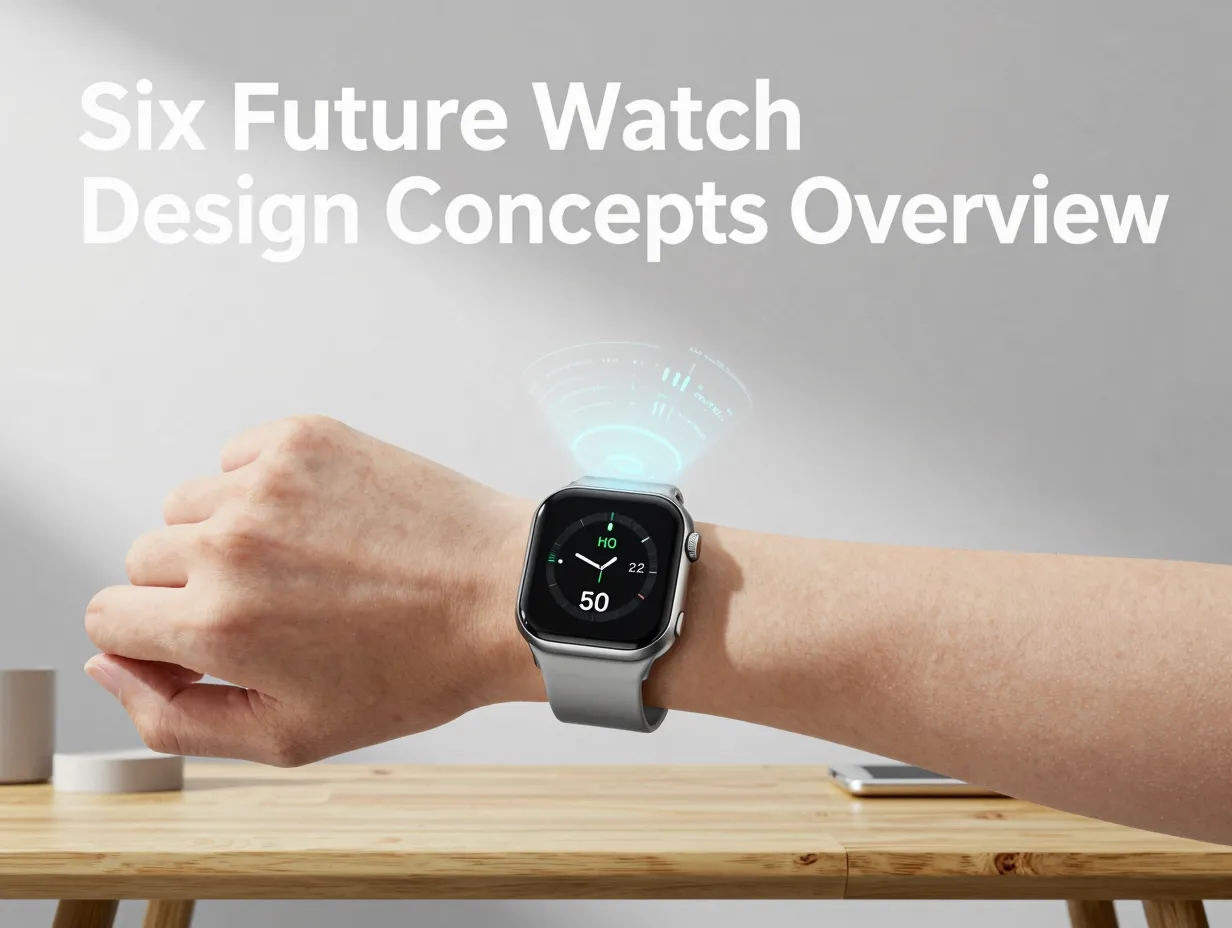
From ultra-thin cases that blur the line between jewelry and gadget, to medical-grade sensors that rival clinical equipment, the next generation of wearable technology is being designed from the outside in. Understanding these directions helps consumers, designers, and investors make smarter decisions in 2026 and beyond.
Key Takeaways
- Ultra-thin, geometrically bold cases and integrated bracelets are replacing the chunky smartwatch aesthetic that defined the previous decade.
- Medical-grade, non-invasive health sensors are becoming a baseline expectation rather than a premium feature.
- AI-driven personalization and ecosystem integration are now core design assumptions built into the hardware from day one.
- New form factors, including smart rings and reimagined pocket watches, are expanding what counts as a “watch.”
- Sustainability, repairability, and eco-friendly materials are no longer optional, they are competitive differentiators.
1. Ultra-Thin Cases, New Geometries, and Integrated Bracelets
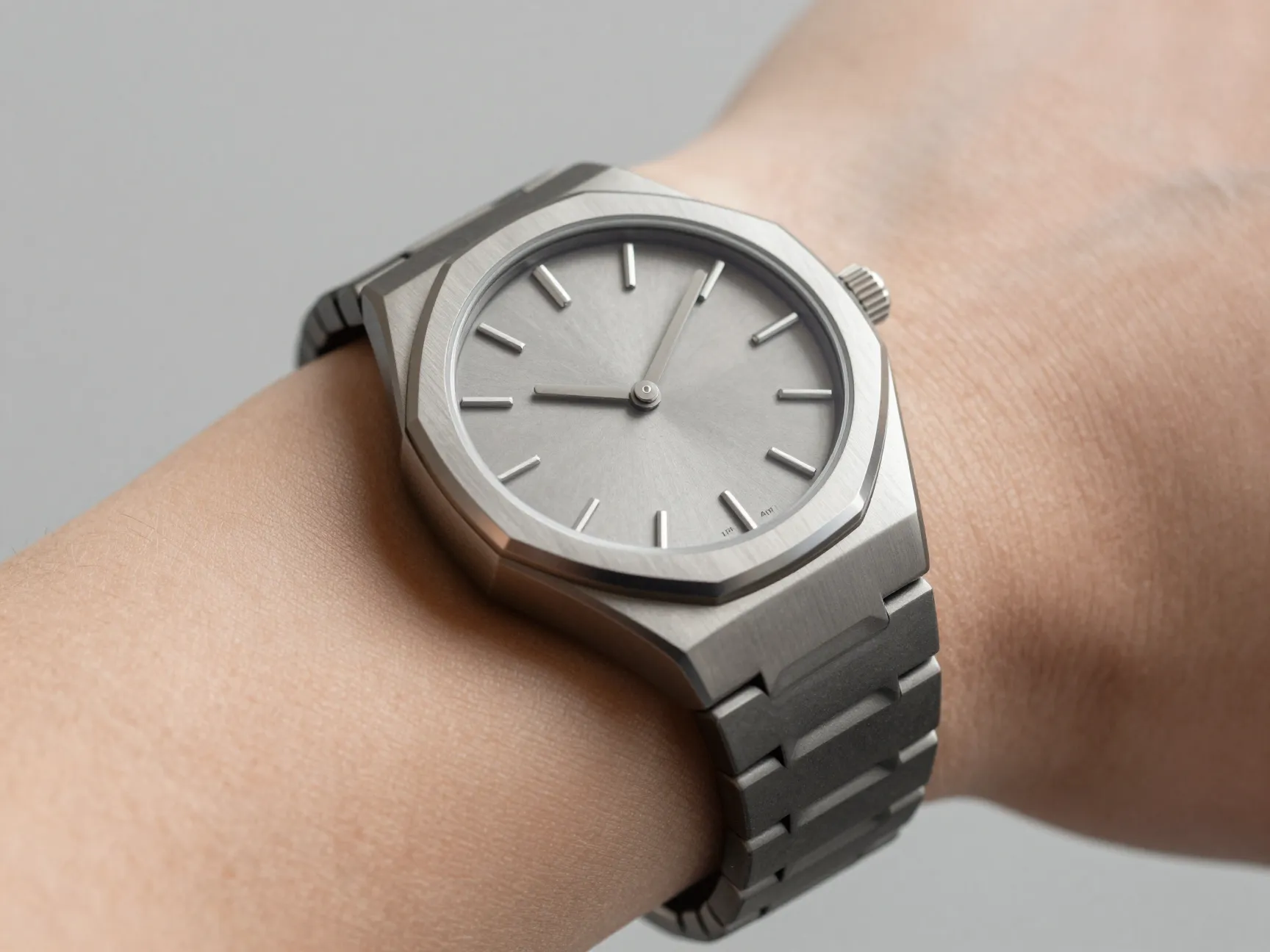
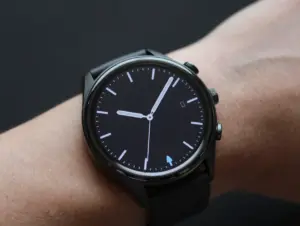
The first of the 6 watch design concepts shaping the future of wearable tech is the radical slimming and reshaping of the watch case itself. For years, smartwatches were criticized for looking like miniature smartphones strapped to a wrist. That era is ending fast.
Manufacturers and independent concept designers are now pushing cases below 6mm in thickness, using aerospace-grade titanium, carbon fiber composites, and even flexible ceramic materials [1]. The goal is a profile that competes visually with the thinnest Swiss dress watches on the market while still housing the sensors and processors that make a smartwatch useful.
Why geometry matters: Beyond thickness, the shape of the case is changing. Rectangular and hexagonal cases are gaining ground on the dominant round and square formats. These new geometries allow for larger display areas relative to case size, better ergonomic fit across different wrist shapes, and a visual distinctiveness that helps brands stand out [6].
Integrated bracelets, where the strap and case are designed as a single continuous form, are another defining feature. Rather than a case sitting on top of a band, the entire watch flows as one sculptural object. This approach, borrowed from high-end Swiss watchmaking, reduces pressure points, improves comfort during extended wear, and signals a maturity in wearable design that earlier smartwatches lacked [3].
| Design Feature | Traditional Smartwatch | Next-Gen Concept |
|---|---|---|
| Case thickness | 10-14mm | Under 6mm |
| Case shape | Round or square | Hexagonal, rectangular, freeform |
| Strap integration | Separate band | Seamless integrated bracelet |
| Primary material | Aluminum alloy | Titanium, carbon fiber, flexible ceramic |
The practical payoff is significant. Thinner, lighter watches are worn more consistently, which directly improves the quality and continuity of health data they collect. A watch that stays on the wrist 24 hours a day is simply more valuable than one that gets removed because it is uncomfortable.
2. High-Definition Displays, Hidden Cameras, and Holographic Interfaces
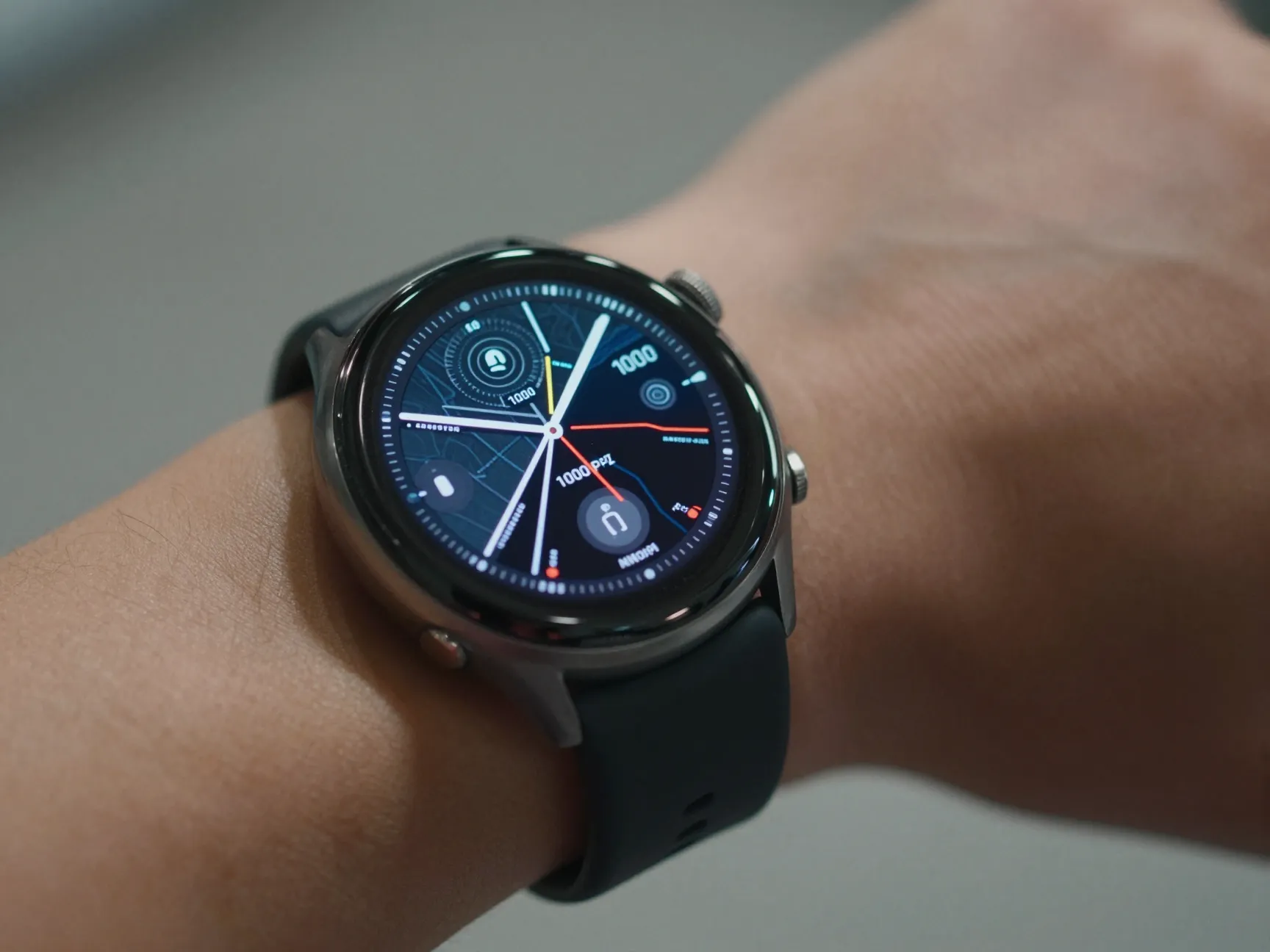
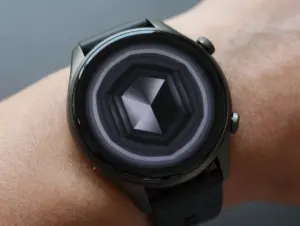
The second concept redefines what a smartwatch screen can actually do. Early smartwatch displays were functional but limited, small, dim, and readable only in certain lighting conditions. The next generation of watch displays is moving in three distinct directions simultaneously [10].
High-definition micro-displays now achieve pixel densities above 1000 PPI (pixels per inch) on watch-sized screens. This makes text sharp enough to read comfortably without squinting and enables detailed map rendering, medical chart display, and even video playback that looks clean on a small screen [10]. Manufacturers are using micro-OLED and advanced AMOLED panels to achieve this, with always-on modes that consume a fraction of the power of earlier always-on implementations.
Hidden cameras embedded within watch cases represent a more controversial but technically impressive development. These are not simply cameras bolted onto a watch body, they are integrated into the bezel or crown mechanism, invisible during casual inspection [2]. The applications range from hands-free photography and video calls to security monitoring and augmented reality input. Privacy concerns are real and ongoing, but the engineering achievement is undeniable [2].
“The watch face is becoming a portal, not just a display, a surface that can project, sense, and respond to the environment around it.”
Holographic and projected interfaces represent the furthest edge of this concept. Several research-stage designs project a usable interface onto the back of the hand or a nearby surface, effectively expanding the tiny watch screen into a much larger interaction area [1]. While fully consumer-ready holographic watches remain a few years away, the underlying projection and gesture-sensing technology is advancing rapidly. Augmented reality integration, where watch data overlays onto the physical world through paired glasses or contact lenses, is already in early commercial deployment [9].
3. Medical-Grade, Non-Invasive Health Monitoring
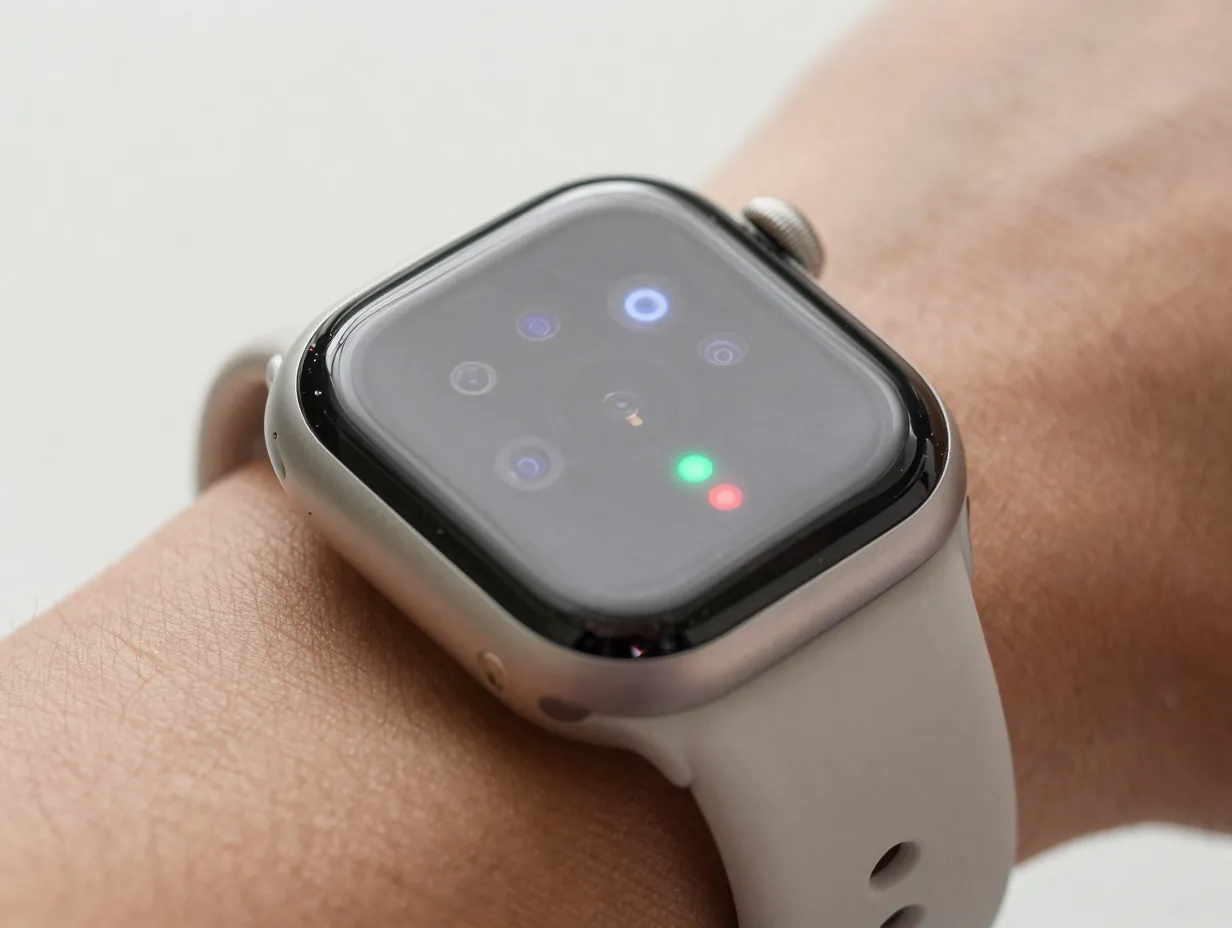
Health monitoring has been a smartwatch selling point since the first generation of devices. What is changing now is the clinical accuracy and the range of what can be measured without breaking the skin. This third concept is arguably the most consequential of the 6 watch design concepts shaping the future of wearable tech.
Current consumer smartwatches measure heart rate, blood oxygen saturation, and basic sleep patterns. The next generation is targeting continuous, non-invasive blood glucose monitoring, a capability that would transform daily life for the estimated 537 million people living with diabetes worldwide [6]. Optical sensors using near-infrared light are the leading approach, analyzing how light scatters through skin tissue to estimate glucose concentration without a finger prick.
Other health metrics entering mainstream watch design include:
- Continuous blood pressure monitoring using photoplethysmography combined with machine learning algorithms
- Atrial fibrillation and arrhythmia detection with clinical-grade accuracy
- Skin temperature tracking for early illness detection and fertility monitoring
- Stress and cortisol level estimation through electrodermal activity sensors
- Hydration status monitoring via bioimpedance analysis
The design challenge is significant. Packing this many sensors into a sub-10mm case while maintaining battery life and waterproofing requires careful engineering trade-offs. Many manufacturers are solving this by moving some sensing functions to the band itself, distributing sensors across a larger contact area with the skin [6].
Regulatory approval is another critical factor. Devices that make clinical health claims must pass medical device certification in most markets, which adds cost and development time but also builds consumer trust. The watches that achieve this certification will command premium prices and strong brand loyalty.
4. AI-Driven Coaching and Deep Ecosystem Integration
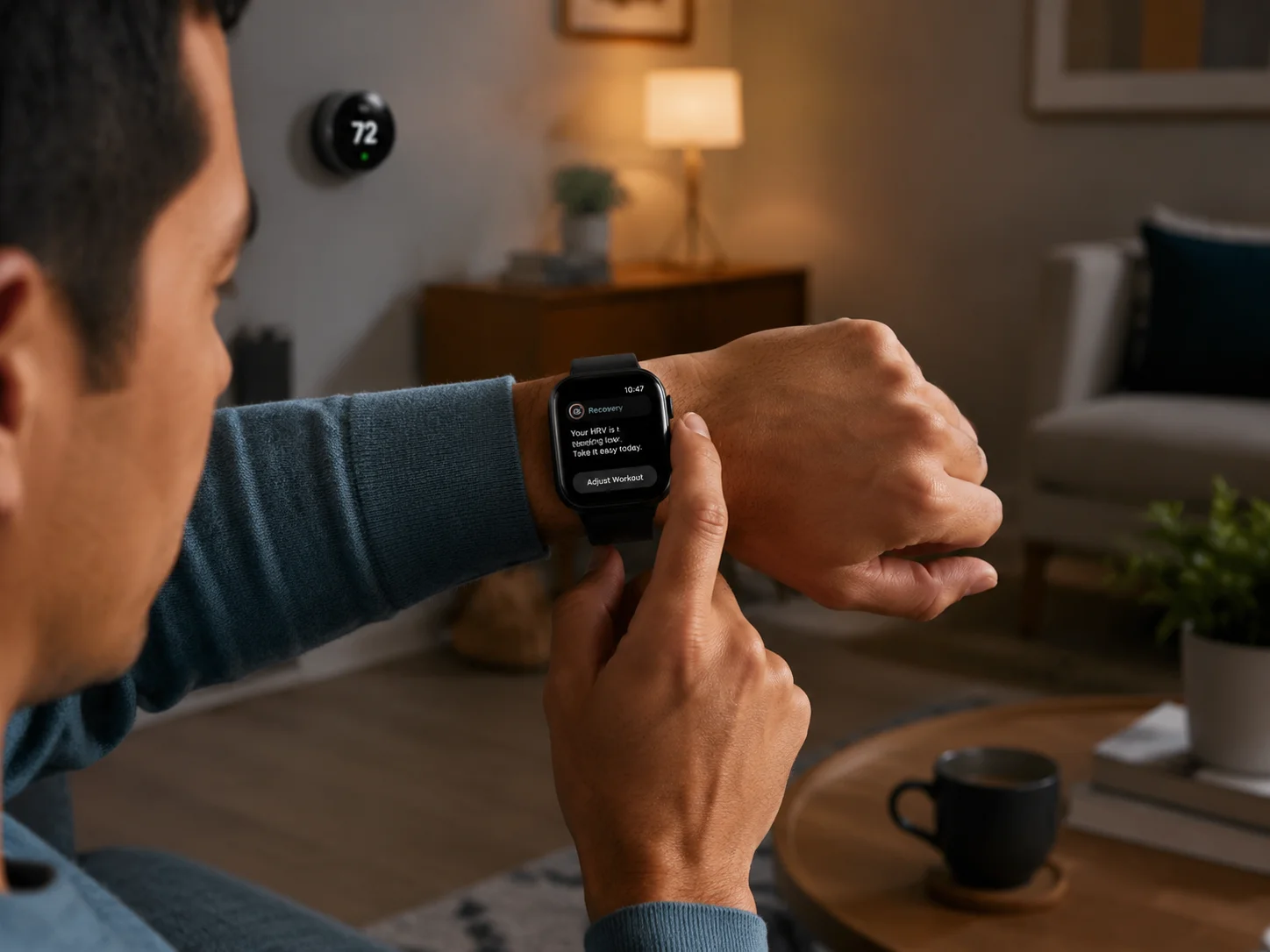
The fourth concept shifts focus from hardware to intelligence. Artificial intelligence is not being added to future watches as a feature, it is being designed in as the operating assumption from the first sketch [6]. This distinction matters enormously for how these devices are built and what they can do.
An AI-first watch does not simply display data. It interprets patterns across weeks and months of continuous sensing, identifies anomalies before they become problems, and delivers personalized coaching that adapts to the user’s actual behavior rather than generic population averages [1]. A fitness coaching algorithm that knows a user’s sleep quality, stress levels, menstrual cycle, and training history can give advice that a generic step counter simply cannot match.
Key AI capabilities being designed into next-generation watches:
- Predictive health alerts that flag potential issues days before symptoms appear
- Dynamic workout optimization that adjusts intensity recommendations based on recovery data
- Contextual notification filtering that learns which alerts are genuinely important to each user
- Natural language voice interaction that works without a phone connection
- Federated learning that improves AI models using anonymized data without compromising privacy
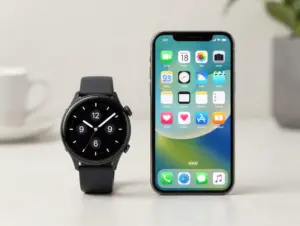
Ecosystem integration is the other side of this concept. A watch that operates in isolation is less useful than one that connects seamlessly with smart home systems, medical records platforms, insurance providers, and professional sports coaching software [9]. The design implication is that future watches need robust, secure connectivity protocols and open APIs, not just Bluetooth and Wi-Fi.
The competitive advantage in this space will belong to companies that build the most useful AI models, not necessarily the most powerful processors. Raw computing power is increasingly handled by cloud infrastructure, while the watch itself focuses on sensing, display, and user interaction.
5. New Form Factors: Smart Rings, Pocket Watches, and Beyond
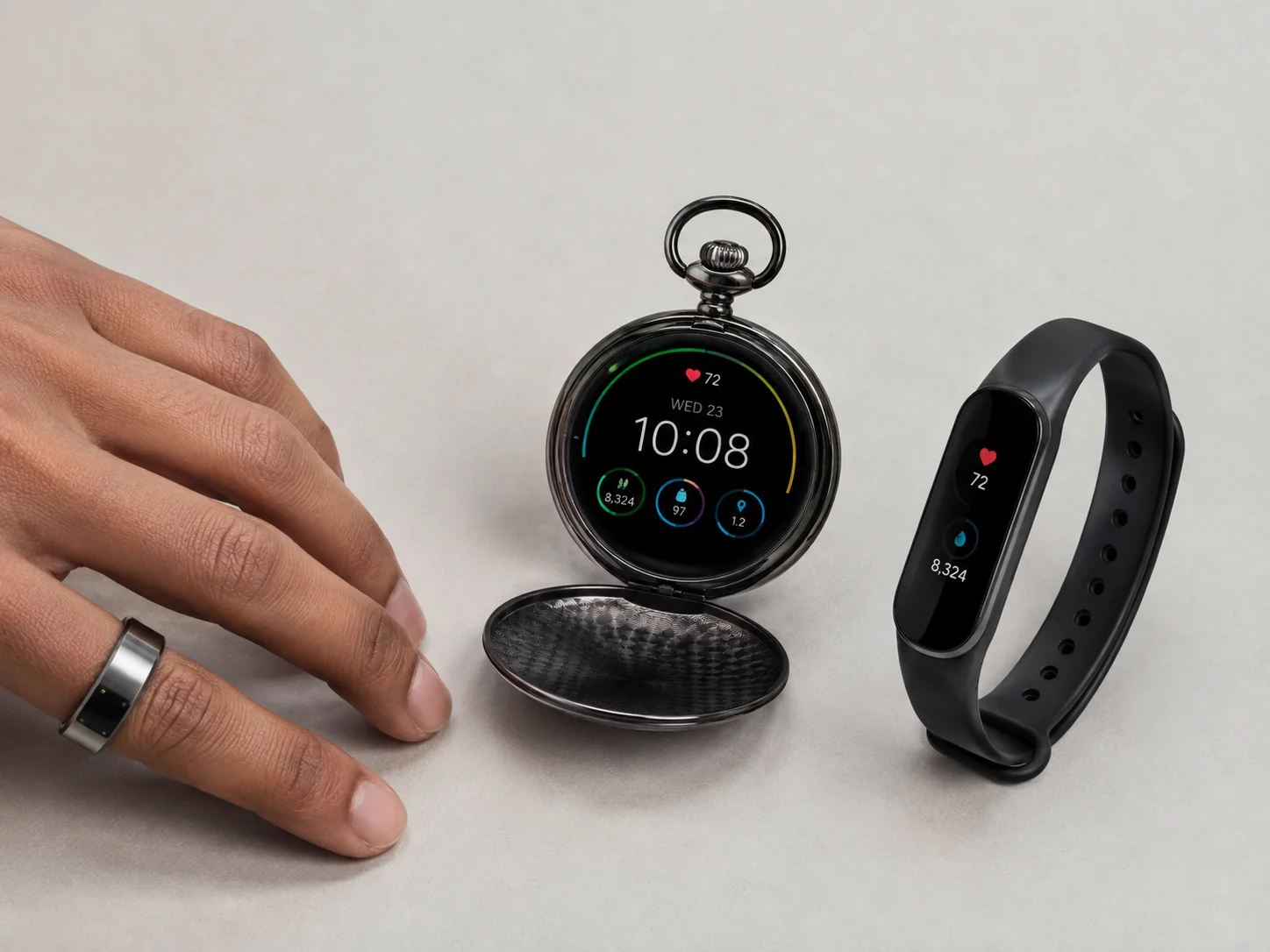
The fifth concept challenges the most basic assumption of wearable tech: that a watch must be worn on the wrist. The 6 watch design concepts shaping the future of wearable tech include a genuine expansion of what “watch” means as a product category.
Smart rings are the most commercially advanced alternative form factor. Devices like the Oura Ring have demonstrated that a ring-sized device can deliver meaningful health data, sleep tracking, heart rate variability, temperature, with exceptional battery life and near-invisible form factor [8]. The next generation of smart rings is adding display elements, haptic feedback, and NFC payment capability, moving them from passive sensors toward active interaction devices [8].
The appeal is clear: rings are worn constantly, are socially acceptable in virtually every setting, and do not carry the “tech bro” aesthetic baggage that some smartwatches still project. For users who want health data without a screen on their wrist, smart rings are a compelling answer.
Smart pocket watches represent a more unexpected revival. Several concept designers and small manufacturers are reimagining the pocket watch format for the smartphone era, a larger-screened, higher-battery device that lives in a pocket or bag rather than on a wrist [7]. The larger form factor allows for bigger displays, more powerful processors, and longer battery life than any wrist-worn device can achieve [5]. Use cases include navigation, detailed health dashboards, and even mobile payment terminals for professionals who work with their hands.
Smart bands occupy the space between a traditional fitness tracker and a full smartwatch, slimmer than a watch, more capable than a basic pedometer, and increasingly accurate in their health sensing. The category is growing as consumers seek devices that are less obtrusive for sleep and exercise [9].
The expansion of wearable form factors means that by 2026, “choosing a watch” increasingly means choosing where on, or near, the body the device will live.
6. Sustainability, Eco-Friendly Materials, and Repairability
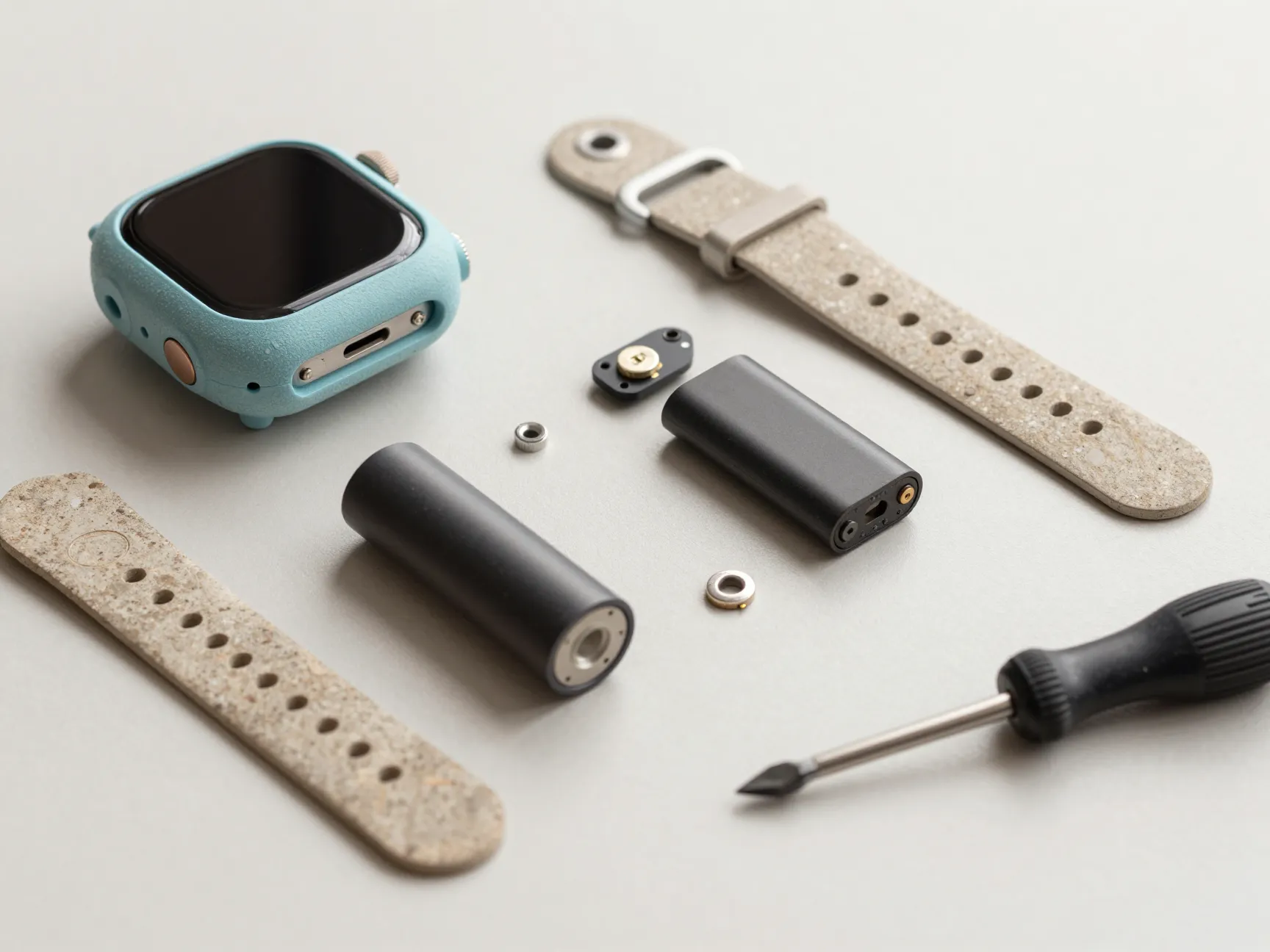
The sixth and final concept in this overview of 6 watch design concepts shaping the future of wearable tech addresses the environmental cost of constant hardware upgrades. The wearable tech industry generates significant electronic waste, and consumers, regulators, and investors are all applying pressure to change that.
Leading design concepts in 2026 treat sustainability not as a marketing checkbox but as a genuine engineering constraint [3]. This manifests in several concrete ways.
Materials innovation is the most visible change. Recycled ocean plastics, bio-based polymers, reclaimed aluminum, and lab-grown sapphire glass are replacing virgin materials in case and strap construction. Some manufacturers are partnering with textile companies to create watch bands from recycled fishing nets or agricultural waste fibers [3]. These materials often perform comparably to their conventional equivalents while dramatically reducing the carbon footprint of production.
Repairability is equally important. The “glued-shut, replace-the-whole-unit” approach that defined early smartwatches is being challenged by modular designs where batteries, sensors, and displays can be replaced independently [6]. The European Union’s Right to Repair legislation, which is expanding in scope, is accelerating this shift by creating legal requirements for spare parts availability and repairability scores.
Longevity by design means building watches that remain useful for five to seven years rather than two to three. This requires software support commitments from manufacturers, hardware that can be upgraded incrementally, and aesthetic designs that do not look dated after one product cycle. The hybrid analog-smart category, mechanical watches with embedded smart sensors, is particularly well positioned here, because a quality mechanical movement can last decades [3].
Sustainability benchmarks entering watch design:
- Minimum 50% recycled or bio-based materials by case weight
- Published repairability scores on a standardized scale
- Take-back and recycling programs for end-of-life devices
- Carbon-neutral or carbon-negative manufacturing commitments
- Software update guarantees of at least five years from purchase date
The commercial logic is straightforward. Consumers who buy a sustainable, repairable watch are making a longer-term investment, which builds brand loyalty and reduces the churn that plagues the consumer electronics market. Sustainability is not just ethics, it is a durable business model.
How These Concepts Intersect and Reinforce Each Other
The six concepts described above do not operate in isolation. The most compelling next-generation watch designs combine multiple concepts simultaneously. A watch that is ultra-thin (Concept 1) with a high-definition display (Concept 2), continuous glucose monitoring (Concept 3), AI coaching (Concept 4), built from recycled materials (Concept 6), and available in a ring form factor (Concept 5) is not a fantasy, it is the direction the industry’s leading designers are actively working toward.
The convergence is being driven by three forces:
- Component miniaturization, sensors, processors, and batteries are shrinking faster than ever, making it physically possible to pack more capability into smaller, thinner cases.
- Consumer expectations, users who have experienced AI personalization in other apps now expect it from their wearables, and users who recycle their household waste expect the same standards from their electronics.
- Regulatory pressure, health data regulations, right-to-repair laws, and sustainability reporting requirements are shaping design decisions at the earliest stages of product development.
The watches that succeed in the next three to five years will be those that treat all six of these concepts as baseline requirements rather than optional upgrades.
What to Watch for in 2026 and Beyond
Several specific developments are expected to reach commercial availability or significant maturity in 2026:
- The first consumer smartwatches with FDA-cleared continuous blood glucose monitoring are anticipated to reach market, pending regulatory approval timelines.
- Ultra-thin titanium smartwatches under 7mm are expected from at least two major manufacturers, following concept releases in late 2025.
- Smart ring platforms are projected to add full NFC payment and basic display capability, narrowing the gap with wrist-worn devices [8].
- AI health coaching that integrates with electronic health records is moving from pilot programs to general availability in several major markets [6].
- The first mainstream modular smartwatch, where the sensor module can be upgraded independently of the case, is expected to launch from a European manufacturer focused on the sustainability segment [3].
These are predictions based on current design trajectories and announced product roadmaps, not confirmed launches. The pace of innovation in wearable tech means timelines can shift, but the directional trends are clear.
Conclusion
The 6 watch design concepts shaping the future of wearable tech, ultra-thin and geometrically bold cases, next-generation displays and cameras, medical-grade health sensing, AI-driven intelligence, expanded form factors, and sustainable design, collectively define a transformation that goes far beyond incremental improvement. The watch on a wrist in 2028 will likely be thinner, smarter, healthier, more personalized, and more environmentally responsible than anything available today.
Actionable next steps for different audiences:
- Consumers considering a smartwatch purchase in 2026 should prioritize devices with open ecosystems, published software support timelines, and modular or repairable designs, these will deliver better long-term value than closed, disposable platforms.
- Designers and engineers entering the wearable space should study the intersection of medical device regulation and consumer electronics design, as this is where the most significant product opportunities are emerging.
- Investors and brand strategists should track companies that are building AI health models and sustainability credentials simultaneously, these are the two dimensions most likely to drive durable competitive advantage in the wearable tech market over the next decade.
- Health-conscious users should pay close attention to the non-invasive glucose and blood pressure monitoring space, the first devices to achieve clinical-grade accuracy in these metrics will represent a genuine step-change in preventive health management.
The future of wearable tech is not a single device. It is an ecosystem of form factors, sensors, and intelligent software that fits into life rather than demanding that life fits around it.
References
[1] High Tech Watch Concepts That Are Redefining Wearable Tech – https://www.accio.com/blog/high-tech-watch-concepts-that-are-redefining-wearable-tech
[2] Futuristic Watch With Camera Designs Redefining Wearables – https://www.accio.com/blog/futuristic-watch-with-camera-designs-redefining-wearables
[3] Five Watch Trends To Look Out For In 2026 – https://www.wallpaper.com/watches-jewellery/five-watch-trends-to-look-out-for-in-2026
[5] Smart Pocket Watch Designs That Prove The Future Of Tech Is In Your Pocket – https://fr.accio.com/blog/smart-pocket-watch-designs-that-prove-the-future-of-tech-is-in-your-pocket
[6] Design Trends Shaping Modern Smartwatches – https://techsandesh.in/2026/02/05/design-trends-shaping-modern-smartwatches/
[7] Smart Pocket Watch Designs That Prove The Future Of Tech Is In Your Pocket – https://www.accio.com/blog/smart-pocket-watch-designs-that-prove-the-future-of-tech-is-in-your-pocket
[8] Futuristic Ring Watch Designs Defining S Fashion Tech Wave – https://www.accio.com/blog/futuristic-ring-watch-designs-defining-s-fashion-tech-wave
[9] Watch Trends In 2026 India 10 Emerging Styles Buyer Guide – https://canonquartz.com/blogs/blogs/watch-trends-in-2026-india-10-emerging-styles-buyer-guide
[10] High Definition Watches That Redefine What A Smartwatch Can Do – https://www.accio.com/blog/high-definition-watches-that-redefine-what-a-smartwatch-can-do