8 Must-Know Facts About Every Samsung Galaxy S Series Phone
Samsung has shipped more than one billion Galaxy devices since the original Galaxy S launched on June 4, 2010, a number that makes the S series one of the most consequential product lines in consumer electronics history [1]. Yet most buyers choose an S-series phone based on spec sheets alone, missing the deeper story of engineering choices, software commitments, and design philosophies that define every model in the lineup. These 8 must-know facts about every Samsung Galaxy S series phone give buyers, enthusiasts, and tech professionals a clearer picture of what they are actually getting, and why it matters.
Disclosure: This post contains affiliate links. As an Amazon Associate, we earn from qualifying purchases, and at no extra cost to you.
Key Takeaways
- The Galaxy S series has run continuously since 2010, making it one of the longest-running Android flagship lines ever produced [1].
- Starting with the Galaxy S24, Samsung now guarantees seven years of Android OS updates and security patches, a major shift from the previous four-year policy [2][3].
- Every generation of the S series has introduced at least one flagship-class hardware or software innovation, from Super AMOLED displays to Space Zoom cameras [4].
- The Galaxy S22 Ultra effectively absorbed the Galaxy Note line, bringing S Pen support into the mainstream S-series identity [9].
- The three-model lineup, base, Plus, and Ultra, has become the standard structure for each annual release [10].
1. The Galaxy S Series Has Run Without Interruption Since 2010
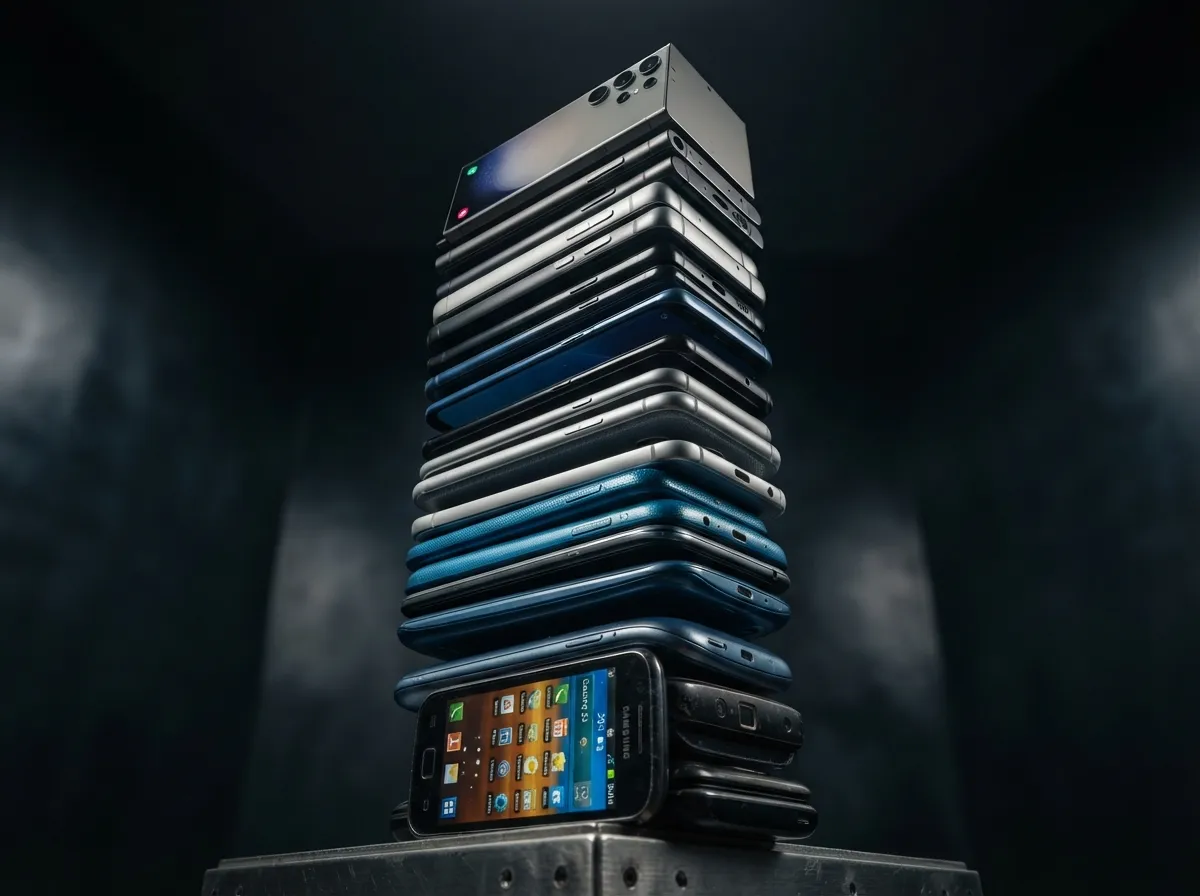
The Samsung Galaxy S series launched globally on June 4, 2010, with a device that was, by the standards of that era, genuinely impressive: a 4-inch Super AMOLED display, a 1 GHz processor, and a 5-megapixel camera in a slim plastic body [1][4]. What followed was an unbroken chain of annual flagship releases that now stretches to the Galaxy S26 family, announced on February 26, 2026, with U.S. availability beginning March 11, 2026 [9].
That continuity is not trivial. Many smartphone lines have been discontinued, rebranded, or merged into other product families. The S series has survived multiple shifts in the mobile industry, the rise of Chinese competitors, the transition from 4G to 5G, and the emergence of foldable phones, while maintaining its identity as Samsung’s primary Android flagship. No other Android manufacturer has sustained a single flagship line at this level of consistency for as long [1][9].
The series also serves as a benchmark for the broader Android ecosystem. When Samsung introduces a new chip, display technology, or camera feature in an S-series phone, competing manufacturers typically respond within one to two product cycles. This makes the S series not just a consumer product but a signal of where Android hardware is heading.
2. Every S-Series Generation Introduces at Least One Flagship-Class Innovation
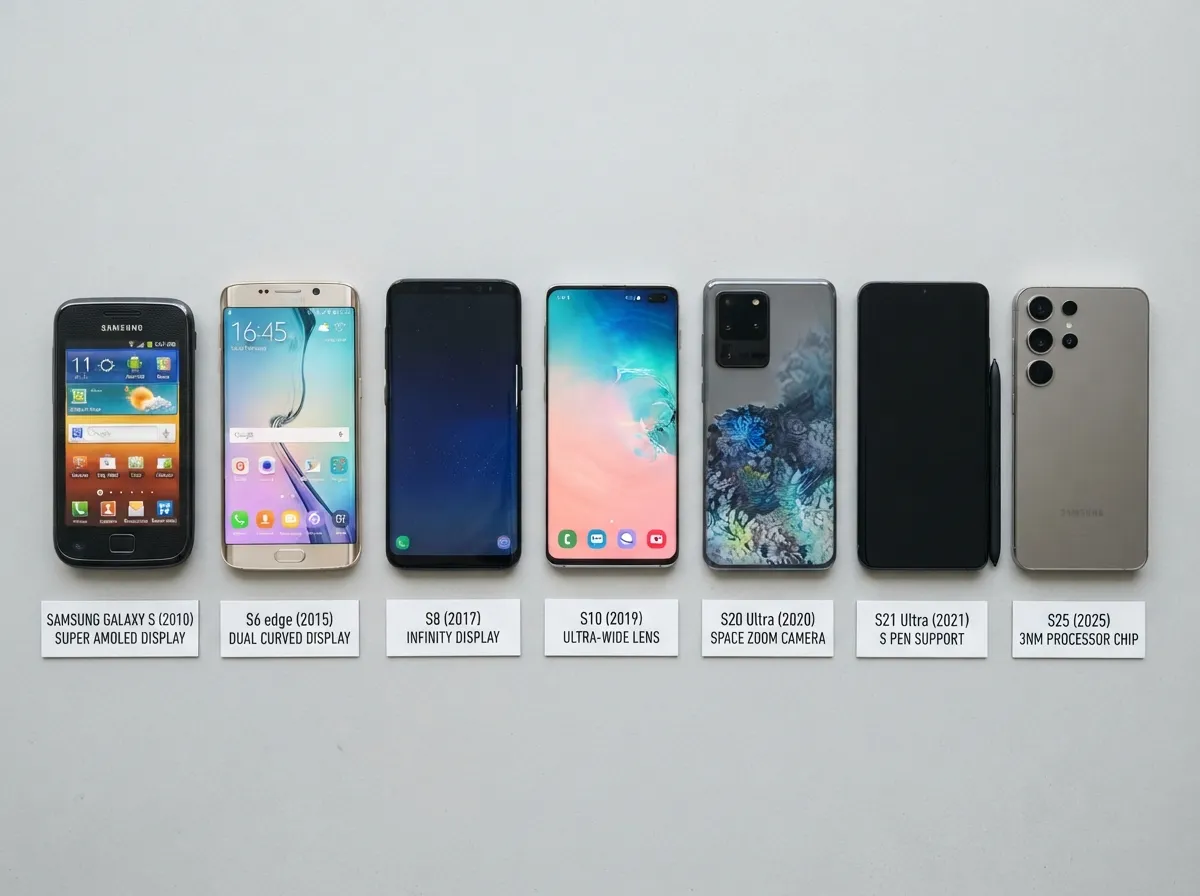
One of the clearest patterns across the entire S-series history is that Samsung uses each new generation to introduce or popularize at least one major technology. This is not marketing language, it is a documented pattern visible across every major release [4][11].
| Generation | Year | Key Innovation |
|---|---|---|
| Galaxy S | 2010 | Super AMOLED display |
| Galaxy S6 / S6 edge | 2015 | Metal-and-glass build, dual-edge curved display |
| Galaxy S8 | 2017 | Infinity Display (near-bezel-free design) |
| Galaxy S10 | 2019 | Ultra-wide camera lens |
| Galaxy S20 | 2020 | Space Zoom (up to 100x) |
| Galaxy S21 Ultra | 2021 | S Pen support in S series |
| Galaxy S25 | 2025 | Snapdragon 8 Elite for Galaxy (3 nm chip) |
The Galaxy S5, for example, introduced IP67 water and dust resistance in 2014, setting an expectation that every S-series phone would be durable enough for real-world conditions [4][9]. The Galaxy S6 and S6 edge followed in 2015 with metal-and-glass construction and a dual-edge curved display, establishing the premium materials template that later generations refined [4]. Samsung Pay also debuted with the Galaxy S6 family in 2015, integrating mobile payments into the S-series experience [4].
By the Galaxy S8 in 2017, Samsung had introduced the Infinity Display, a near-bezel-free design with rounded corners that became the visual template for modern smartphones across the industry [9][11]. Each of these moves was first demonstrated in an S-series phone before becoming standard across the broader market.
3. The Three-Model Lineup Is Now a Defining Structural Feature
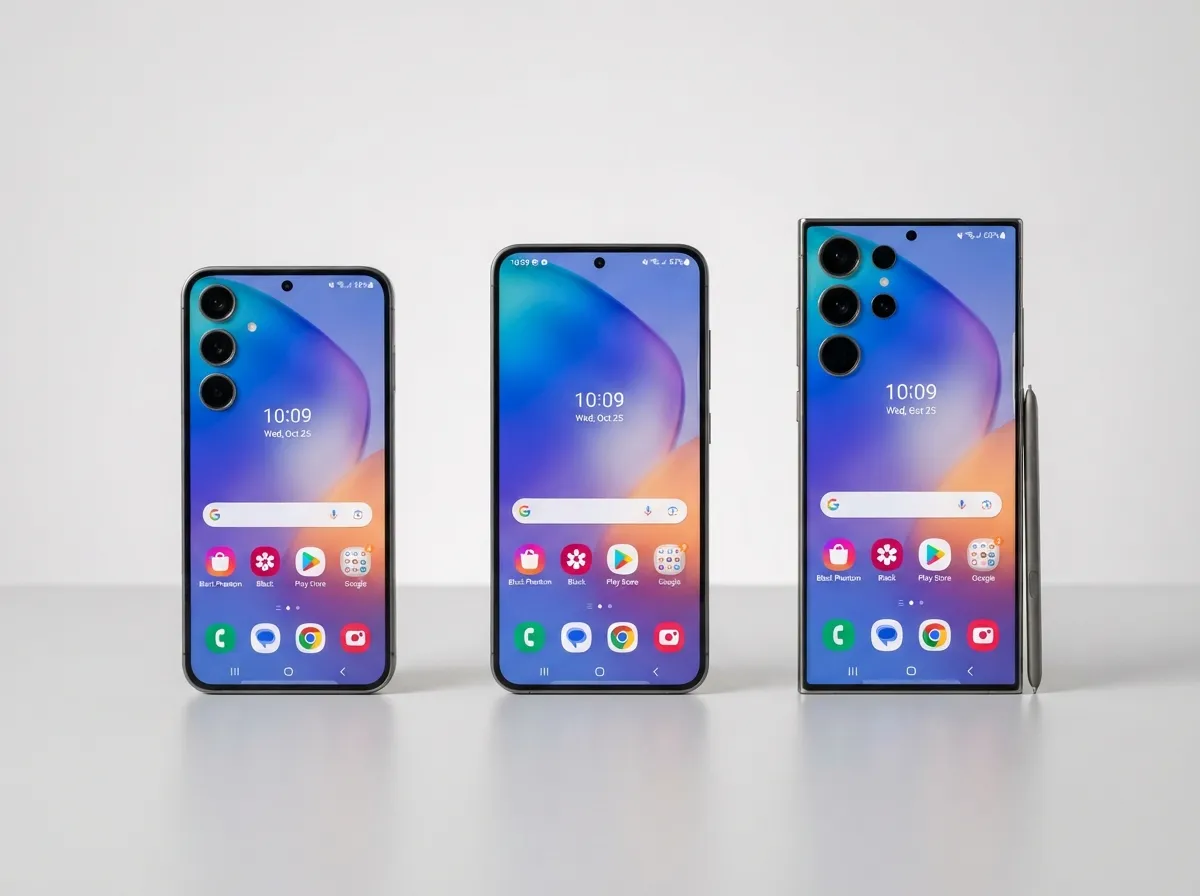
For most of the S series’ early history, Samsung released one or two models per year. That changed as the lineup matured. Today, each annual S-series launch consists of three distinct models: the base model, the Plus, and the Ultra [10].
The Galaxy S25 series is a clear example of this structure. Samsung’s official buying guide describes the lineup as consisting of the Galaxy S25, S25+, and S25 Ultra, with each tier targeting a different type of buyer [10]:
- Base model (S25): Designed for mainstream buyers who want flagship performance in a compact, manageable form factor.
- Plus model (S25+): Offers a larger screen and bigger battery for users who want more without moving to the Ultra tier.
- Ultra model (S25 Ultra): Targets power users and professionals with the most advanced camera hardware, the largest display, and premium productivity features.
This three-tier structure is not just a marketing exercise. Each model uses different components, sensor sizes, battery capacities, zoom capabilities, and in some cases different processors or memory configurations, to justify the price differences between tiers. Buyers who understand this structure can make more informed decisions rather than defaulting to the most expensive option.
Pull quote: “The Ultra is not simply a bigger S-series phone, it is a different category of device designed for a different kind of user.”
4. Display Technology Has Been a Consistent Differentiator Across Every Generation
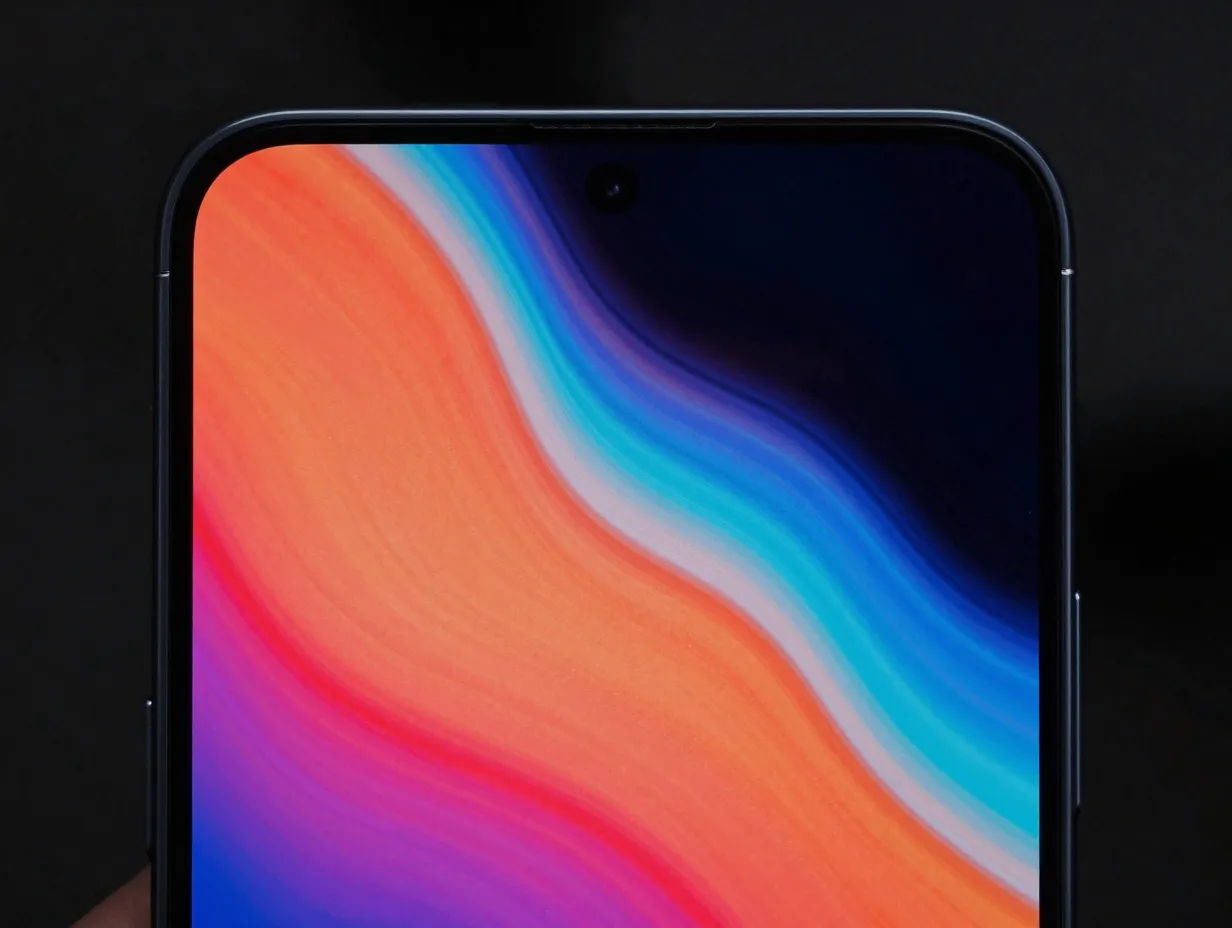
Display quality has been central to the S-series identity since the very first model. The original Galaxy S introduced Super AMOLED technology in 2010, which offered better contrast, deeper blacks, and improved outdoor visibility compared to the LCD panels that dominated the market at the time [1][11].
Each subsequent generation pushed display technology further. The Galaxy S8’s Infinity Display in 2017 eliminated most of the bezel around the screen, dramatically increasing the screen-to-body ratio and setting a design direction that competitors quickly adopted [9][11]. The Galaxy S10 introduced a punch-hole camera cutout, which allowed the display to extend even further across the front of the device [9].
Later generations added high refresh rates (90 Hz and then 120 Hz adaptive), improved peak brightness for outdoor use, and more accurate color calibration. By 2026, S-series displays are widely considered among the best panels available on any smartphone, regardless of manufacturer.
This consistent investment in display technology matters for buyers because the display is the primary interface through which every other feature is experienced. A faster processor or a better camera is only as useful as the screen that presents the results.
5. Camera Systems Have Evolved from Single Sensors to Multi-Lens Arrays with Space Zoom
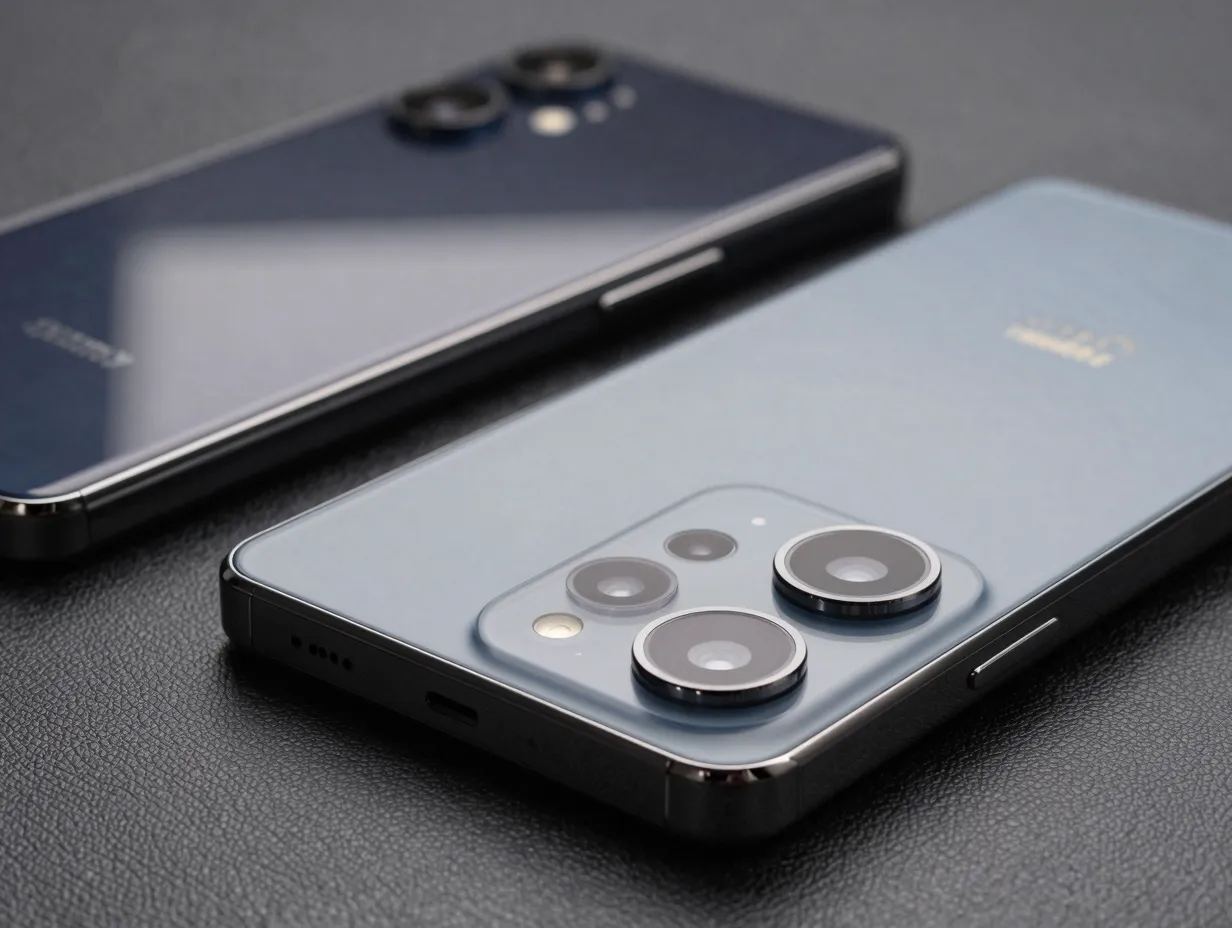
The original Galaxy S shipped with a 5-megapixel rear camera, respectable for 2010, but a far cry from what the series would eventually become [4]. The evolution of S-series camera systems is one of the most dramatic hardware progressions in smartphone history [6].
By the Galaxy S10, Samsung had introduced a triple-camera system with an ultra-wide lens, a standard lens, and a telephoto lens, a configuration that became the new baseline for flagship smartphones [9]. The Galaxy S20 generation took this further with Space Zoom, a marketing term for Samsung’s multi-stage zoom system that combined optical zoom with digital enhancement to reach 100x zoom on the S20 Ultra [11][6].
PhoneArena’s analysis of the S-series evolution notes that Ultra variants are specifically designed to push imaging hardware to its limits each year, with sensor size, aperture, and computational photography improvements that often outpace competing flagships [6].
Key camera milestones in the S series include:
- Galaxy S4 (2013): Introduced dual-camera features and early computational photography tools.
- Galaxy S7 (2016): Added optical image stabilization and a larger aperture (f/1.7) for low-light performance.
- Galaxy S10 (2019): Triple-camera system with ultra-wide lens.
- Galaxy S20 Ultra (2020): 108-megapixel sensor and 100x Space Zoom.
- Galaxy S23 Ultra (2023): 200-megapixel main sensor.
- Galaxy S25 Ultra (2025): AI-assisted photography with on-device processing.
6. The Galaxy Note Line Was Absorbed Into the S Series
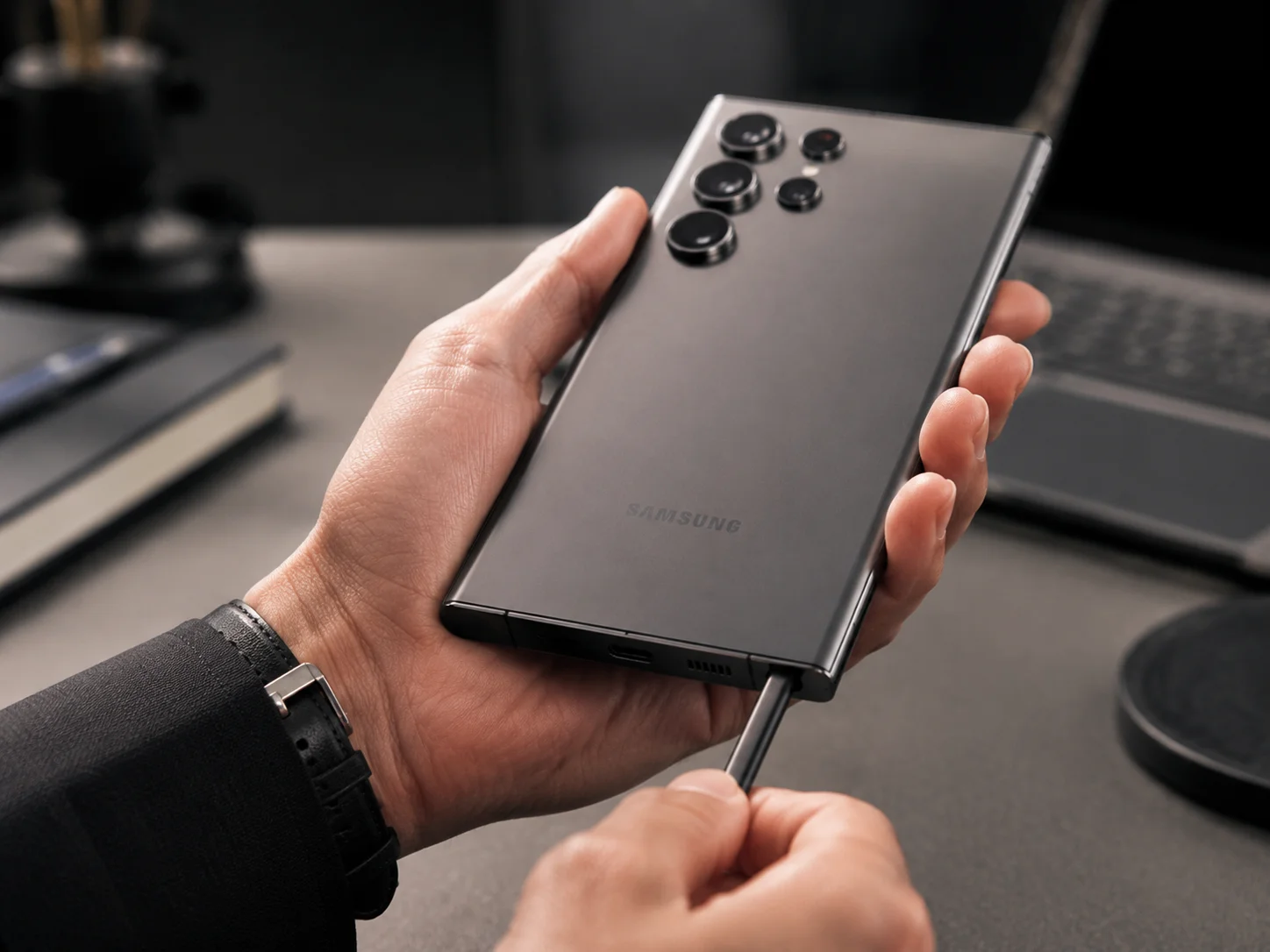
One of the most significant structural changes in Samsung’s smartphone lineup happened quietly between 2021 and 2022. The Galaxy Note series, which had run since 2011 and was famous for its large display, built-in S Pen stylus, and productivity focus, was effectively merged into the Galaxy S family [9].
The transition began with the Galaxy S21 Ultra in 2021, which became the first S-series phone to support the S Pen stylus (sold separately). In 2022, the Galaxy S22 Ultra went further: it integrated an S Pen slot directly into the body of the phone, adopted the Note’s squared-off design language, and was positioned as a direct replacement for the Note line [9].
This merger matters for several reasons:
- Buyers who previously chose the Note series for its S Pen and productivity features now find those capabilities in the S22 Ultra and later Ultra models.
- Samsung discontinued the Note line after the Note 20 series, consolidating its premium lineup around the S series and the Z-series foldables.
- The S Ultra models now carry a dual identity, flagship camera phone and productivity device, that makes them the most versatile (and most expensive) phones in the lineup.
For anyone considering an Ultra model, understanding this history explains why the Ultra tier looks and behaves differently from the base and Plus models. It is not just a larger version of the same phone.
7. Starting with the Galaxy S24, Samsung Guarantees Seven Years of Software Updates
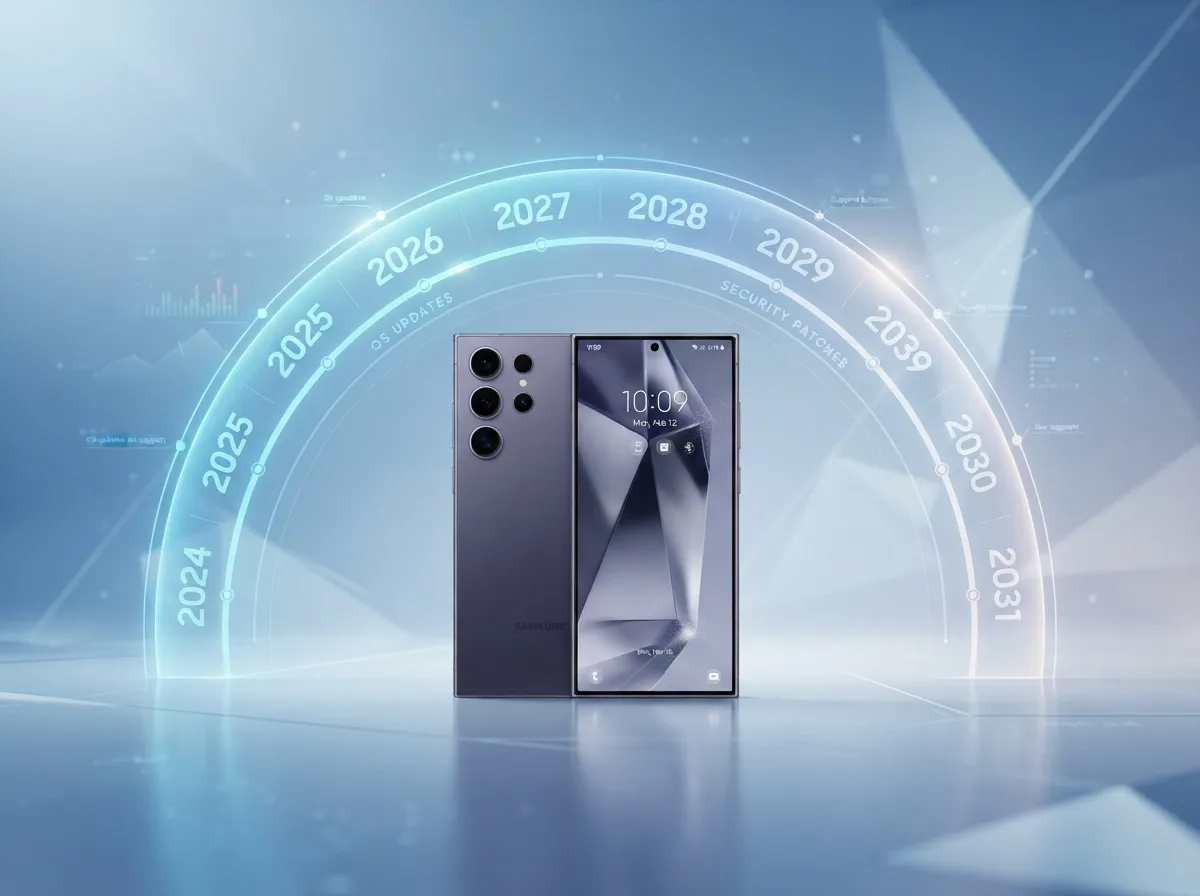
This is arguably the most important practical fact for anyone buying an S-series phone in 2026. Beginning with the Galaxy S24 series, launched in January 2024, Samsung committed to providing seven generations of Android OS upgrades and seven years of security patches for all three models in the lineup [2][3].
Coverage from 9to5Google, Android Authority, and other major outlets confirmed that the Galaxy S24, S24+, and S24 Ultra ship with Android 14 (One UI 6.1) and are planned to receive updates through approximately Android 21 (One UI 13), with support running until roughly 2031 [2][3][5][7].
What the seven-year commitment actually covers:
- Seven major Android OS version upgrades (e.g., Android 14 through Android 21)
- Seven years of monthly or quarterly security patches
- One UI feature updates aligned with each Android version
This policy extends to the Galaxy S25 series as well, meaning a Galaxy S25 purchased in early 2025 should receive software support well into the 2030s [8][5].
Why this matters: Smartphone longevity is increasingly tied to software support rather than hardware durability. A phone that stops receiving security updates becomes a security liability, even if the hardware still functions perfectly. Seven years of support means an S24 or S25 buyer can reasonably keep their device for five to six years without worrying about running unsupported software.
8. The Seven-Year Update Policy Is Not Retroactive, Older S-Series Phones Have a Different Guarantee
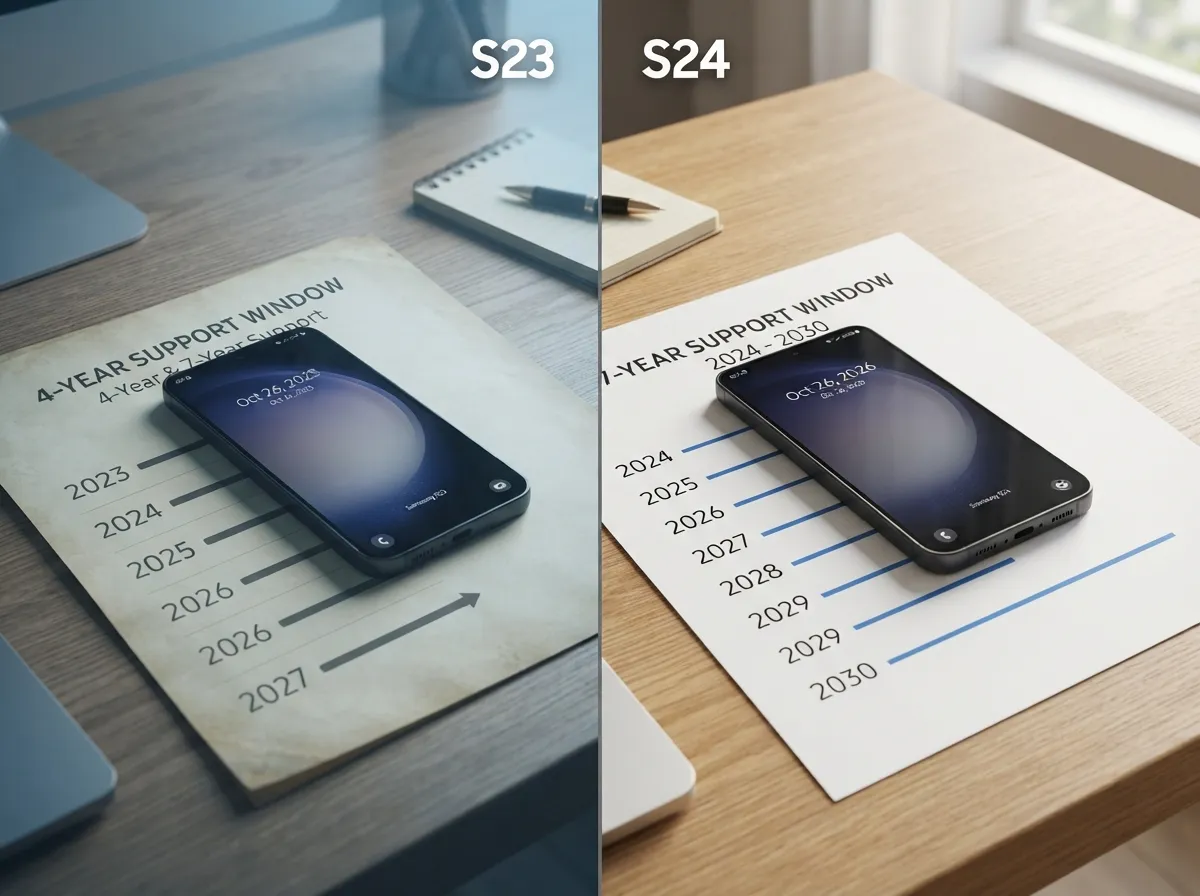
Understanding the 8 must-know facts about every Samsung Galaxy S series phone requires clarity on what the seven-year update policy does not cover. Samsung’s previous update policy, which applies to Galaxy S22 and S23 series phones, promised four years of Android OS upgrades and five years of security updates [7][14][8].
This is a meaningful difference:
| S-Series Generation | OS Upgrade Years | Security Patch Years | Policy Type |
|---|---|---|---|
| Galaxy S21 / S22 / S23 | 4 years | 5 years | Previous policy |
| Galaxy S24 / S25 / S26 | 7 years | 7 years | New extended policy |
Pocket-lint’s breakdown of Samsung’s update policy explicitly distinguishes the S24 series from earlier S phones, confirming that the new seven-year guarantee is not applied retroactively to older devices [14]. Owners of a Galaxy S22 or S23 still benefit from a competitive update policy compared to many Android manufacturers, but they should not expect seven years of support.
This distinction is critical for buyers in the used and refurbished market. A Galaxy S23 purchased secondhand in 2026 may have only one to two years of security support remaining under Samsung’s previous policy, while a Galaxy S24 purchased at the same time would still have several years ahead.
Samsung’s own confirmation, reported by SamFW, specifies that the seven-year commitment covers both One UI feature updates and security patches, mapping the S24 from One UI 6.1 on Android 14 all the way through One UI 13 on Android 21 [7]. This level of specificity is unusual for a smartphone manufacturer and reflects competitive pressure from Google’s Pixel line, which also moved to seven-year update commitments.
Industry analysis in 2026 widely expects future S-series phones beyond the S26 to maintain this multi-year software support standard and to deepen on-device AI integration as a core selling point, given the trajectory established by the S24 through S26 generations [9].
9. (Bonus): Processor Leadership Has Been a Recurring Theme Across Every Generation
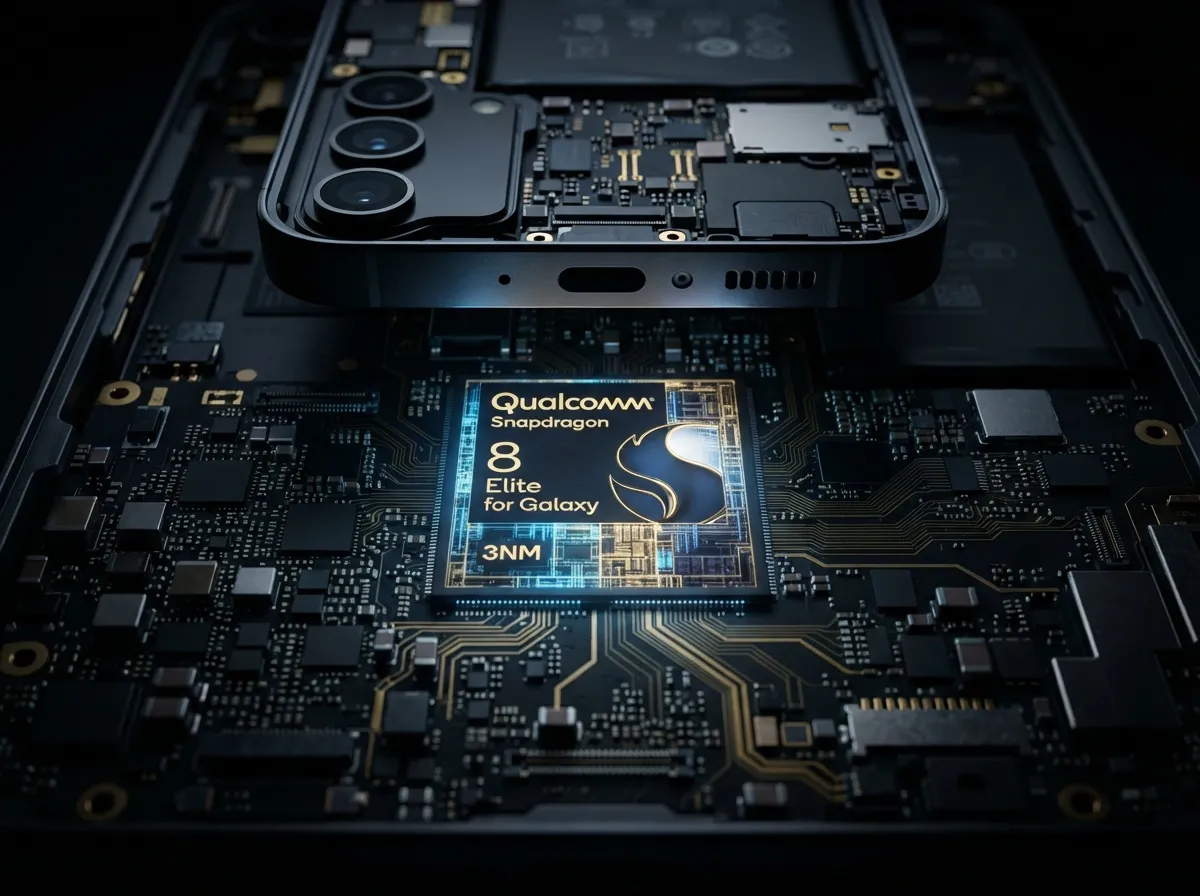
While the eight core facts above cover the most essential knowledge for S-series buyers, one additional pattern deserves attention: Samsung has consistently positioned each new S-series generation as a showcase for the most advanced mobile processor available at launch [6][10].
The Galaxy S25 series, announced in early 2025, became the first S-series lineup to ship with the Snapdragon 8 Elite for Galaxy chip, built on a 3-nanometer process [6][10]. Samsung’s official S25 guide positions this silicon as central to improved performance and power efficiency across all three models, base, Plus, and Ultra [10].
This pattern of processor leadership has practical implications:
- Each new S-series generation typically delivers measurable performance gains in CPU and GPU benchmarks.
- The “for Galaxy” designation on Snapdragon chips indicates a custom-tuned variant with higher clock speeds than the standard version sold to other manufacturers.
- Improved efficiency from smaller process nodes (e.g., 3 nm vs. 4 nm) translates directly to better battery life, even as display sizes and brightness levels increase.
For buyers evaluating whether to upgrade from an older S-series phone, processor generation is one of the most reliable indicators of real-world performance improvement.
Conclusion
The 8 must-know facts about every Samsung Galaxy S series phone reveal a product line that is far more deliberate and structured than a typical annual smartphone refresh. From its unbroken run since 2010 to the absorption of the Note line, from the three-tier model structure to the landmark seven-year software update commitment, every major decision in the S series reflects a long-term strategy rather than short-term market reactions.
Actionable next steps for buyers and enthusiasts in 2026:
- If long-term software support is a priority, choose a Galaxy S24 or newer, these are the only S-series phones covered by the seven-year update guarantee.
- If productivity and S Pen use are important, focus on Ultra models from the S22 generation onward, which carry the Note line’s legacy.
- If camera performance is the deciding factor, compare the specific camera hardware across the three tiers rather than assuming the Ultra is always necessary, the base and Plus models have closed the gap significantly in recent generations.
- If buying used or refurbished, verify which update policy applies to the specific model year before purchasing.
- For those who upgrade every two to three years, the three-model structure means the base or Plus tier often delivers 90% of the Ultra’s real-world performance at a lower price point.
The S series will continue to evolve, but the patterns documented here have proven durable across more than 15 years of flagship releases. Understanding them makes every future purchase decision sharper.
References
[1] Samsung Galaxy S Series – https://en.wikipedia.org/wiki/Samsung_Galaxy_S_series
[2] Samsung Galaxy S24 Android Updates Policy – https://9to5google.com/2024/01/17/samsung-galaxy-s24-android-updates-policy/
[3] Samsung Galaxy S24 Series Seven Years Software Updates 3402991 – https://www.androidauthority.com/samsung-galaxy-s24-series-seven-years-software-updates-3402991/
[4] gadgetsnow.indiatimes – https://gadgetsnow.indiatimes.com/featured/from-an-upstart-to-one-of-the-most-popular-android-flagship-the-journey-of-samsung-galaxy-s-series/articleshow/80191332.cms
[5] Samsung Galaxy S24 Series Update Malaysia – https://hitechcentury.com/samsung-galaxy-s24-series-update-malaysia/
[6] Samsung Galaxy S Series History Evolution Id78382 – https://www.phonearena.com/news/Samsung-Galaxy-S-series-history-evolution_id78382
[7] Samsung Confirmed That The Galaxy S24 Will Receive Seven Years Of One Ui Updates And Security Patches – https://samfw.com/blog/samsung-confirmed-that-the-galaxy-s24-will-receive-seven-years-of-one-ui-updates-and-security-patches
[8] Samsung Galaxy Software Update Support Years – https://drfone.wondershare.com/android-samsung/samsung-galaxy-software-update-support-years.html
[9] The Timeline Of Samsungs Galaxy Flagship Phones 2010 2026 – https://www.itechguides.com/the-timeline-of-samsungs-galaxy-flagship-phones-2010-2026/
[10] Introducing Samsung Galaxy S25 – https://www.samsung.com/uk/mobile-phone-buying-guide/introducing-samsung-galaxy-s25/