6 Reasons a KNX Home Automation System Is Worth the Investment
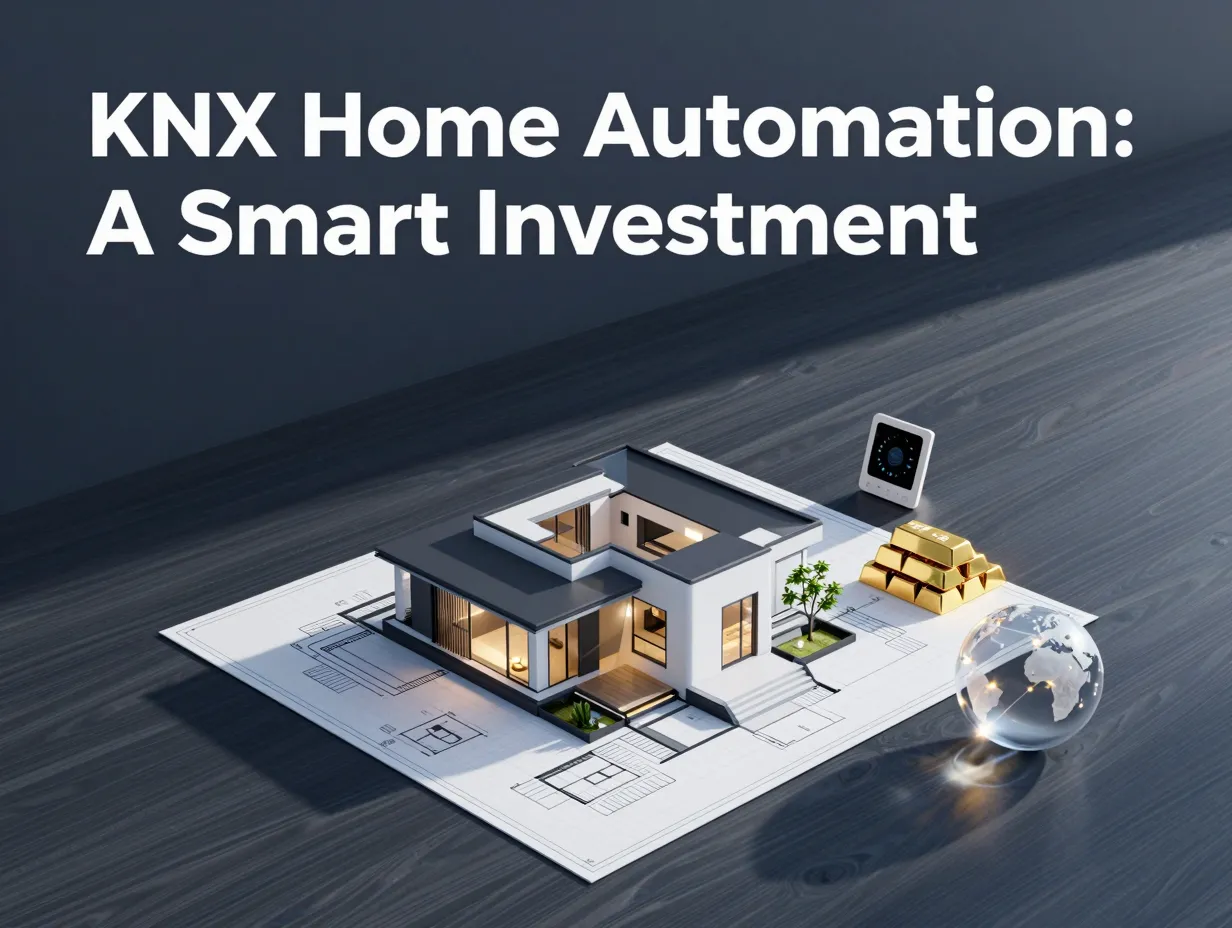
Smart home technology fails most homeowners not because it is too complex, but because it is built on fragile, proprietary foundations that lock users into a single brand’s ecosystem. KNX breaks that pattern entirely. As a globally standardized, open protocol ratified by ISO, IEC, and CENELEC, KNX has been installed in more than 700,000 projects across 190 countries, and the ecosystem continues to expand. For anyone evaluating whether a KNX home automation system justifies its upfront cost, the 6 reasons a KNX home automation system is worth the investment outlined below make a compelling, evidence-backed case.
Disclosure: This post contains affiliate links. As an Amazon Associate, we earn from qualifying purchases, and at no extra cost to you.
Key Takeaways
- KNX is a vendor-neutral, open international standard, giving homeowners genuine freedom of choice across hundreds of certified manufacturers.
- Energy monitoring and automated load control can deliver measurable reductions in household energy consumption and utility bills.
- Local processing and encrypted communication protect privacy and ensure the system keeps working even when internet connectivity fails.
- KNX Standard 3.0.4 and the growing KNX IoT framework ensure the platform remains compatible with emerging technologies for decades.
- Professional installation, combined with the ETS6 configuration tool, produces a reliable, low-maintenance system that adds quantifiable value to a property.
1. Interoperability: A Truly Open Ecosystem With No Vendor Lock-In
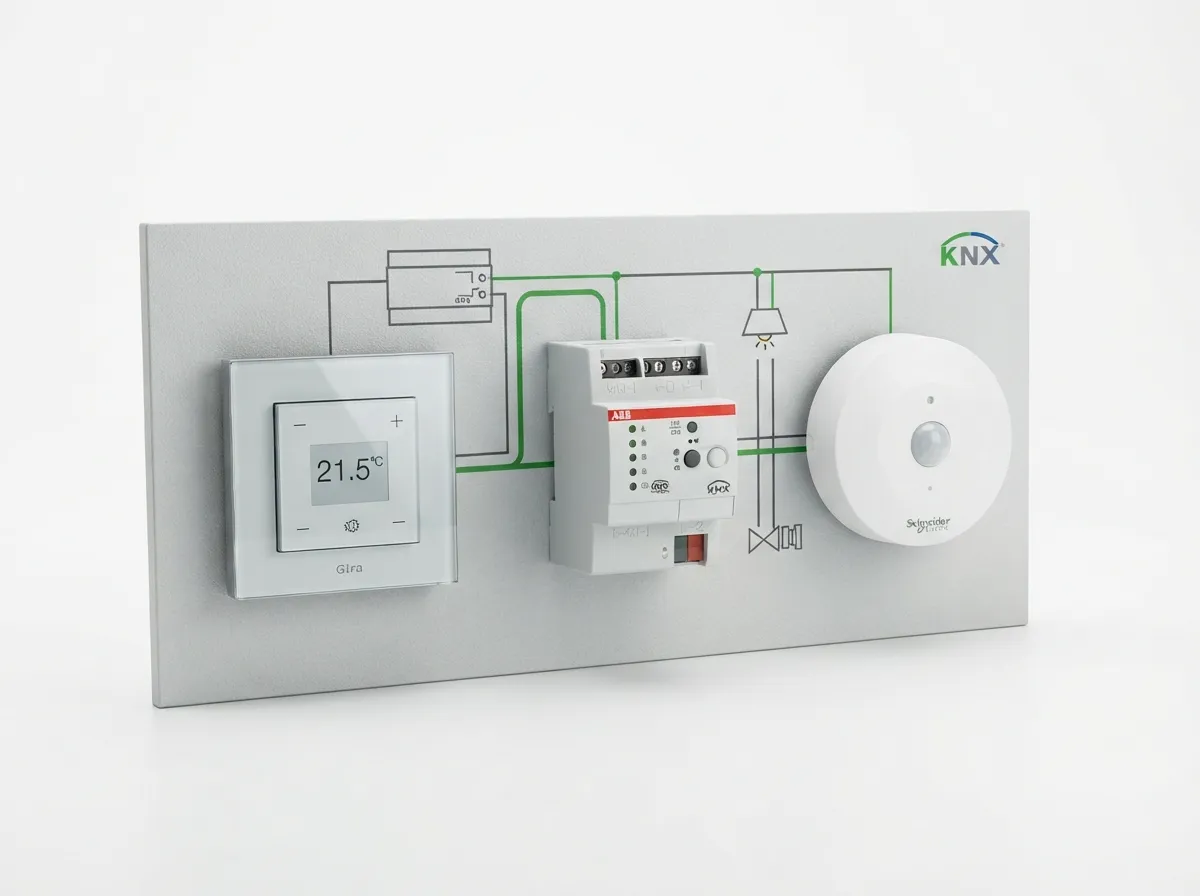
One of the most financially significant 6 reasons a KNX home automation system is worth the investment is its commitment to genuine interoperability. Unlike proprietary platforms that force homeowners to purchase every device from a single manufacturer, KNX operates as a certified open standard. More than 500 manufacturers produce KNX-certified products, meaning a thermostat from one brand can communicate natively with a lighting controller from another without custom middleware or cloud bridges [1].
This vendor neutrality has real financial consequences. When a specific product is discontinued or a manufacturer exits the market, the homeowner is not stranded. Any certified replacement device from any KNX manufacturer will integrate directly into the existing installation. That kind of long-term flexibility is rare in consumer technology and is one of the primary reasons architects, system integrators, and premium property developers specify KNX over competing platforms.
What interoperability means in practice:
- Sensors, actuators, and controllers from different brands share a common communication language
- Existing KNX infrastructure can be extended without replacing the entire system
- Integrators can select best-in-class components regardless of brand affiliation
- Homeowners are protected from single-vendor price increases or product discontinuations
The KNX Association actively certifies products to ensure compliance, so every device bearing the KNX mark has passed rigorous interoperability testing [4]. This governance structure is a critical differentiator from loosely coupled smart home ecosystems where “compatible” often means “sometimes works.”
“A KNX installation is not a product purchase, it is an investment in a standardized infrastructure that outlasts any individual device or brand.”
2. Energy Efficiency and Lower Operating Costs
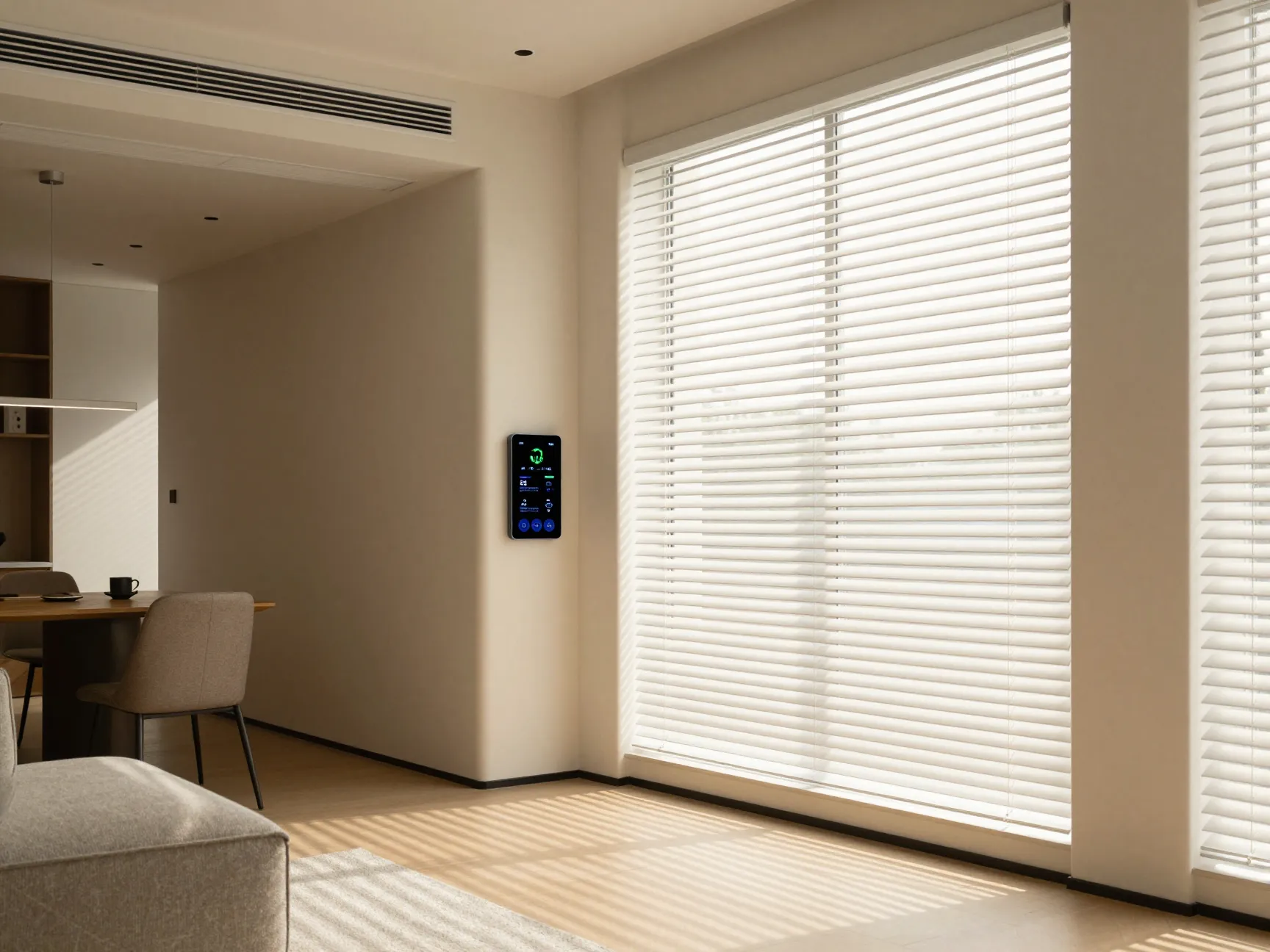
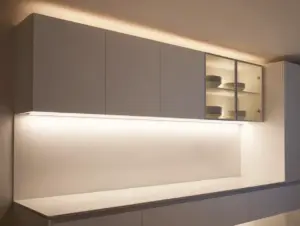
Energy savings are among the most quantifiable returns on a KNX investment. A KNX system integrates lighting, heating, ventilation, air conditioning, and shading into a single coordinated control layer. Rather than managing these systems independently, KNX allows them to respond to each other intelligently, closing blinds when solar gain threatens to raise cooling demand, dimming lights in response to daylight sensors, and reducing HVAC output in unoccupied rooms.
Legrand, one of the world’s largest electrical infrastructure manufacturers, has highlighted how smart automation systems in markets like India are transforming energy consumption patterns in residential and commercial buildings [5]. The principle applies globally: automated load management consistently outperforms manual control because it operates without the behavioral inconsistencies that make human-managed energy use inefficient.
Typical energy-saving mechanisms in a KNX installation:
- Presence-based lighting control that switches off lights in empty rooms automatically
- Demand-controlled ventilation that adjusts airflow based on CO2 sensor readings
- Blind and shading automation that reduces solar heat gain and artificial lighting demand
- Time-scheduled HVAC setback during sleeping hours or periods of absence
- Real-time energy monitoring that identifies high-consumption devices and circuits
The ETS6 software tool used by KNX installers allows precise configuration of energy logic, ensuring that every automation rule is tailored to the specific building’s layout and usage patterns. Over a system lifetime of 20 to 30 years, which is realistic for a properly installed KNX system, the cumulative energy savings frequently offset a significant portion of the initial installation cost.
3. Security, Privacy, and the Resilience of Local Control
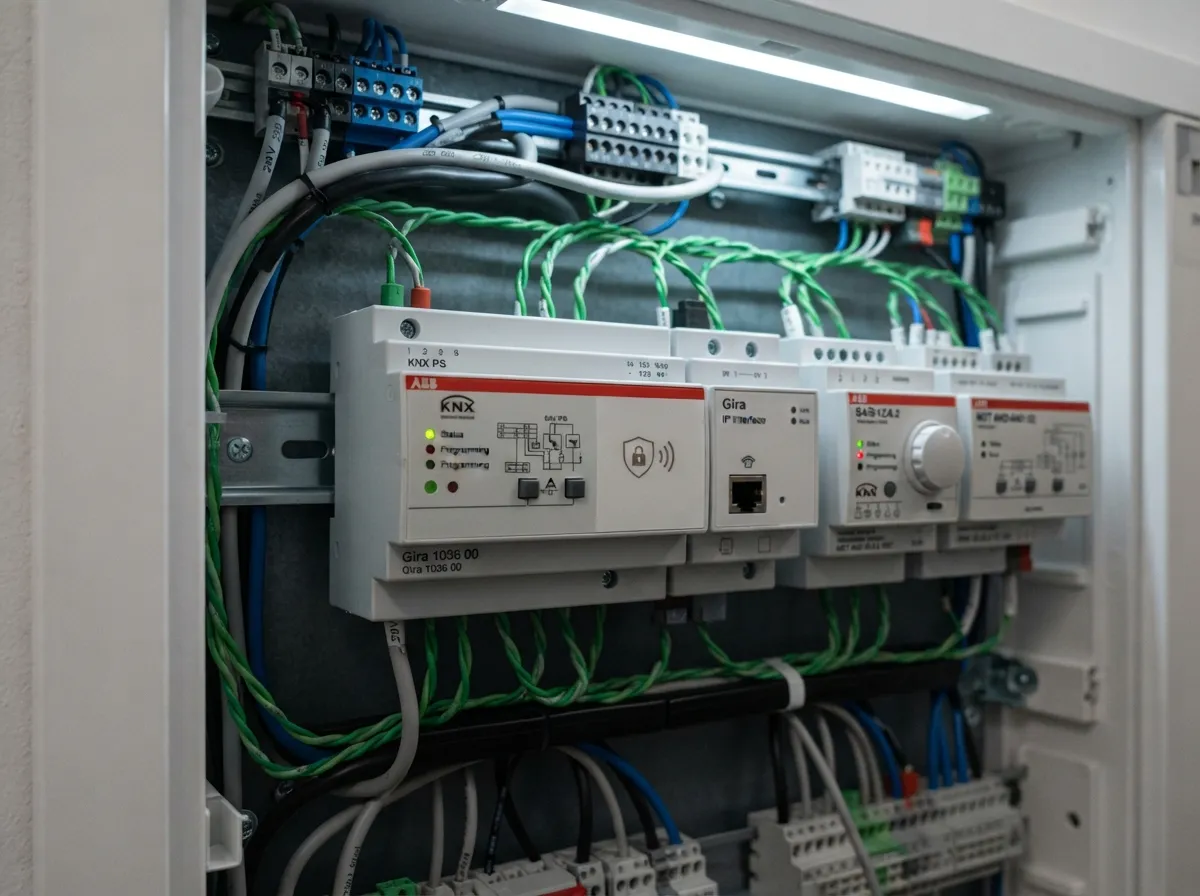
Most consumer smart home platforms depend on cloud servers operated by third parties. When those servers experience outages, are discontinued, or are compromised, the connected devices in the home stop functioning or become vulnerable. KNX is architecturally different: the intelligence resides in the installation itself, not in a remote data center.
KNX systems process commands locally on the bus. A homeowner can control every function in the building, lighting, locks, heating, shading, without any internet connection. This local-first architecture is a fundamental security and reliability advantage that cloud-dependent systems cannot replicate.
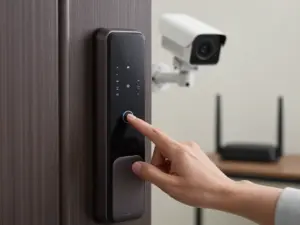
KNX has also expanded its capabilities in integrated security and surveillance. Smart surveillance integration allows KNX systems to coordinate video monitoring with other building functions, such as triggering recording when motion is detected, activating lighting when a camera detects movement at an entry point, or sending alerts through the building’s notification system [8]. This tight integration between surveillance and automation is only possible because KNX controls the entire building layer, not just isolated subsystems.
Security advantages of a KNX installation:
- Local processing: No dependency on third-party cloud servers for core functions
- Encrypted communication: KNX Secure (based on AES-128 encryption) protects bus communication from interception or manipulation
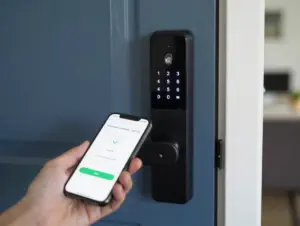
- Access control integration: Door stations, electronic locks, and access readers connect natively to the KNX bus
- Surveillance coordination: Camera systems trigger automated responses across lighting, HVAC, and alert systems [8]
- Resilience: The system continues to operate during internet outages
For homeowners who value privacy, the absence of a mandatory cloud dependency means personal behavioral data, when lights are switched on, when rooms are occupied, is not transmitted to or stored by external servers by default. That is a meaningful privacy benefit that is increasingly valued as data awareness grows.
4. Future-Proofing Through KNX IoT and Standard Evolution
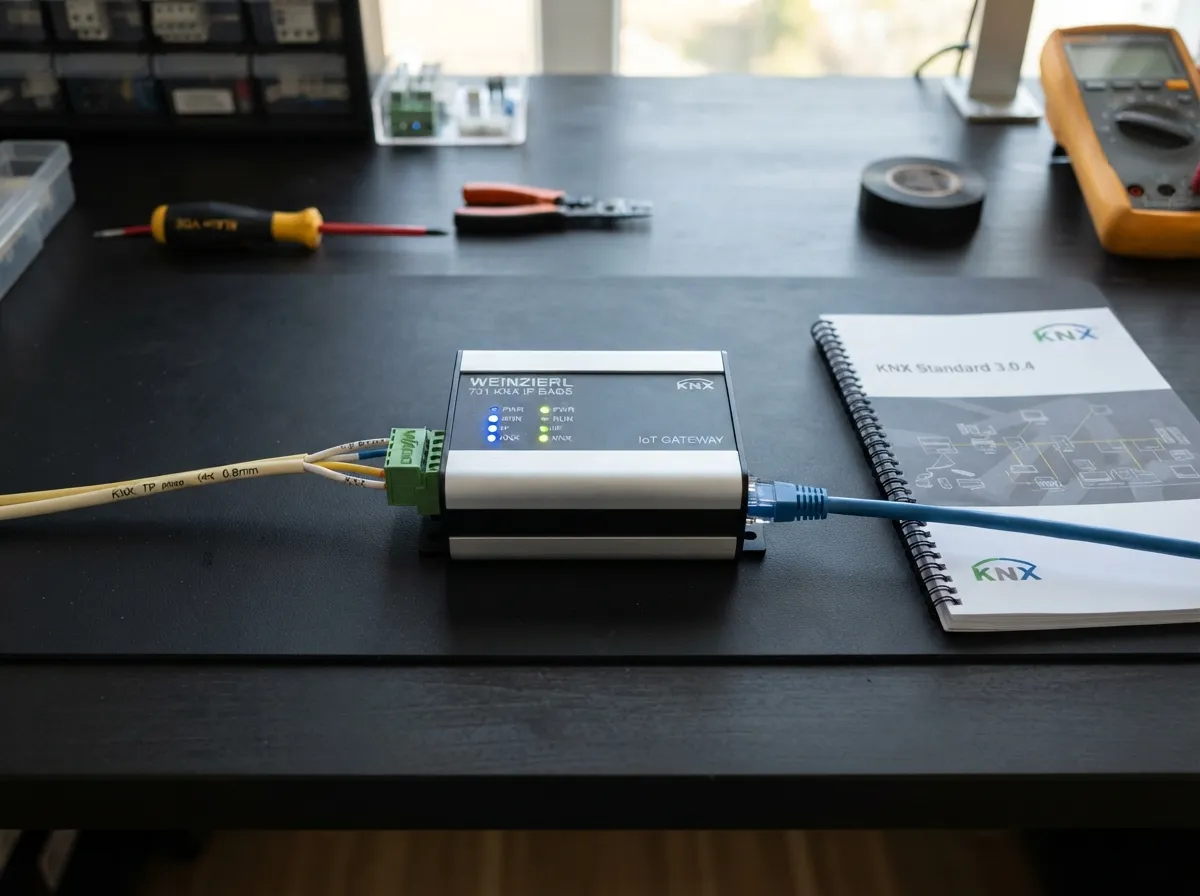
Technology standards that fail to evolve become obsolete. KNX has demonstrated a consistent ability to adapt without abandoning backward compatibility, and 2025 marked a significant milestone in that trajectory. The KNX Association launched KNX Standard Version 3.0.4, a technical update that refines the protocol’s specifications and maintains alignment with the latest requirements of building automation and smart home integration [3].
More strategically, the rise of KNX IoT represents the protocol’s deliberate expansion into IP-based, cloud-connected, and edge-computing architectures [10]. KNX IoT does not replace the traditional KNX TP (twisted pair) bus, it extends it. Devices and gateways using KNX IoT can communicate over standard IP networks, enabling integration with modern building management systems, energy management platforms, and even emerging AI-driven control layers, while remaining fully interoperable with legacy KNX installations.
What KNX IoT means for homeowners and professionals:
- Existing KNX TP installations gain IP connectivity through KNX IoT gateways without rewiring
- New installations can be designed as hybrid systems combining bus and IP topologies
- Integration with third-party platforms (energy management, building dashboards, voice control) becomes more straightforward
- The protocol’s evolution is governed by a global association, not a single corporate entity, ensuring decisions are made in the interests of the broader ecosystem [10]
The KNX Journal 2025, released by the KNX Association, documents the technical and strategic direction of the platform, providing transparency about where the standard is heading [9]. For property developers and homeowners making long-term infrastructure decisions, this kind of published roadmap is a meaningful assurance that the investment will remain relevant.
“KNX IoT is not a replacement for the existing ecosystem, it is the bridge that connects decades of proven bus technology to the next generation of IP-based building intelligence.”
The combination of a stable, mature bus protocol and a forward-looking IoT extension makes KNX uniquely positioned among building automation standards. Competing platforms often force a binary choice between legacy reliability and modern connectivity. KNX offers both simultaneously.
5. Professional Installation, Reliability, and Property Value
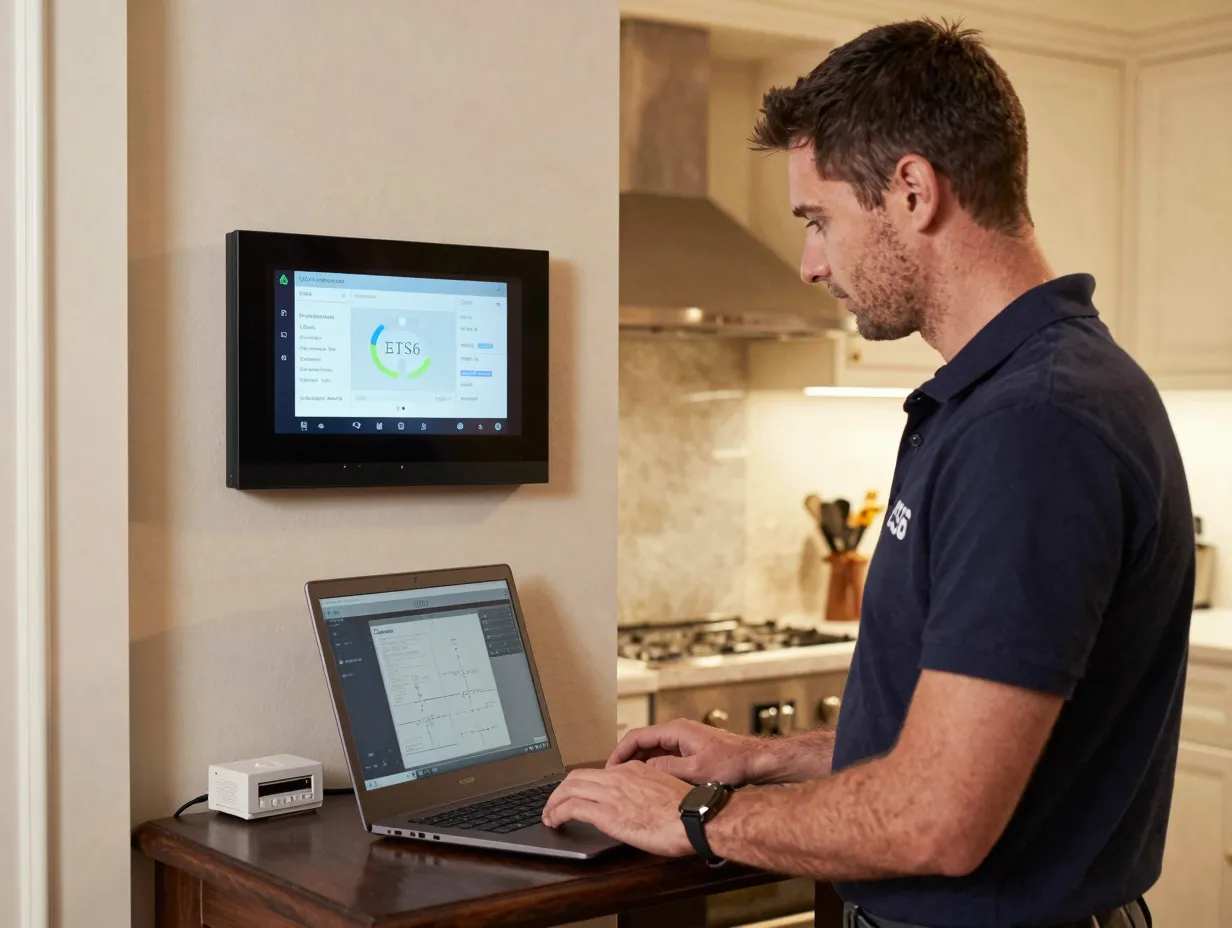
A KNX system is not a DIY product. It is designed to be specified, installed, and commissioned by trained professionals using the ETS6 (Engineering Tool Software) platform. While this requirement adds to the initial cost, it is also the primary reason KNX installations are significantly more reliable than consumer-grade smart home systems.
ETS6 is the industry-standard configuration tool for KNX. Every device in the installation is programmed through ETS6, which creates a documented, reproducible configuration. If a device needs to be replaced, the installer loads the saved project file and reprograms the new device in minutes. This professional ecosystem dramatically reduces lifecycle maintenance costs and eliminates the configuration drift that plagues consumer smart home systems over time [4].
Comparing KNX professional installation to consumer smart home systems:
| Factor | KNX Professional System | Consumer Smart Home Platform |
|---|---|---|
| Configuration tool | ETS6 (professional, documented) | Consumer app (variable quality) |
| Device replacement | Any certified KNX device | Often brand-specific only |
| System lifespan | 20-30+ years typical | 3-7 years before platform changes |
| Cloud dependency | Optional / local-first | Mandatory for most functions |
| Property value impact | Recognized premium by buyers | Minimal or neutral |
The property value dimension deserves particular attention. In premium residential and commercial real estate markets, a documented KNX installation is increasingly recognized as a value-adding feature. Buyers and tenants in the luxury segment are familiar with KNX as a mark of quality infrastructure, in the same way that underfloor heating or triple-glazed windows signal a premium specification. Estate agents in European markets, where KNX penetration is highest, regularly cite building automation as a factor in achieving above-average sale prices for well-specified properties.
The KNX Association’s governance updates and leadership investments in 2025 and 2026 further reinforce the professional ecosystem’s stability [4], giving installers and property developers confidence that the certification framework and training infrastructure will remain robust.
6. A Growing Global Market That Validates the Investment
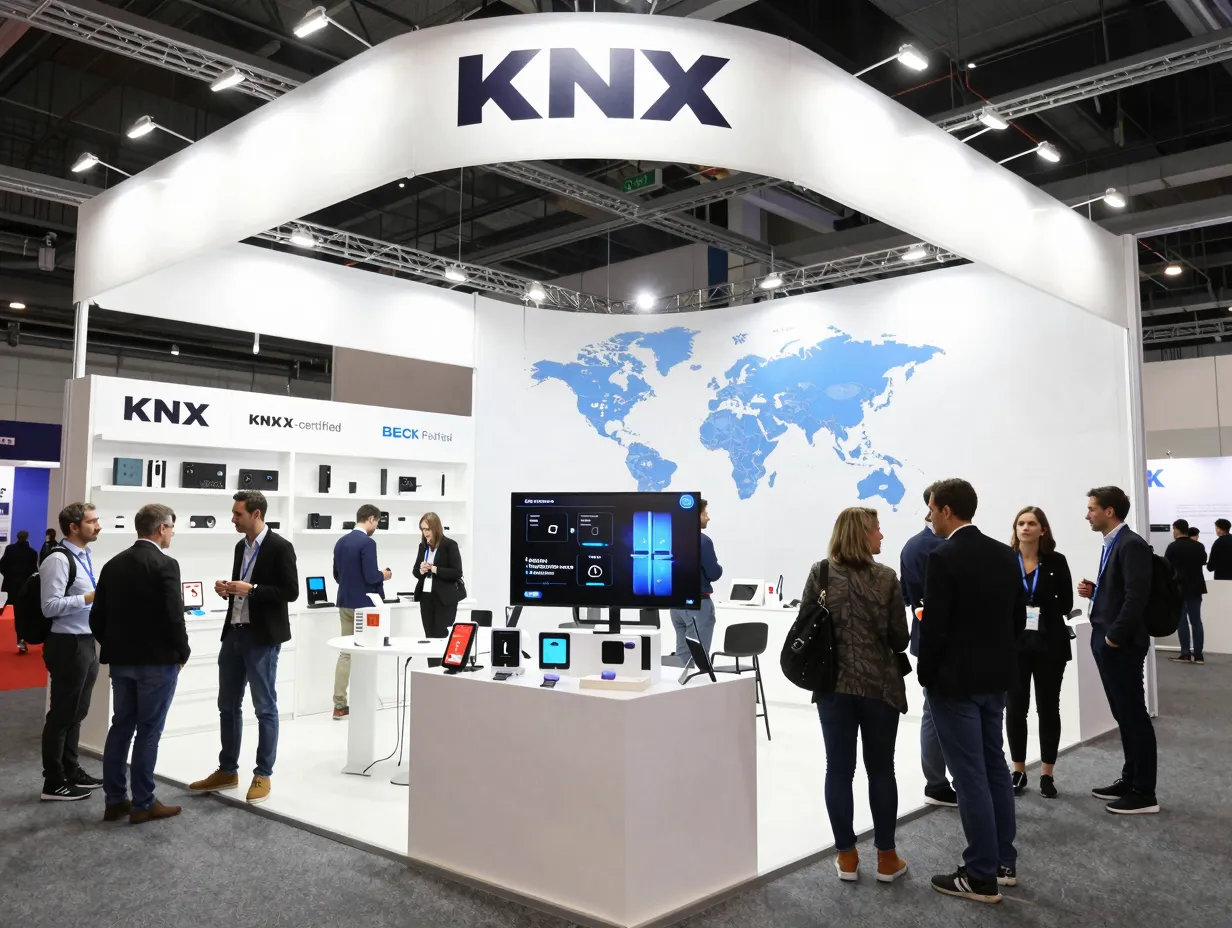
The sixth of the 6 reasons a KNX home automation system is worth the investment is perhaps the most strategic: the global market context validates the decision. KNX is not a niche regional protocol, it is the world’s only open standard for home and building control that carries ISO, IEC, and CENELEC certification simultaneously. The breadth of that standardization means KNX installations are recognized and serviceable in virtually every developed market on the planet.
The global smart home and building automation market continues to expand rapidly. Regional adoption is accelerating in markets that were previously dominated by proprietary systems. In India, for example, manufacturers like Legrand are actively promoting KNX-compatible automation systems as the quality benchmark for residential and commercial projects [5]. Similar trends are visible across the Middle East, Southeast Asia, and Latin America, where urbanization and premium construction activity are driving demand for reliable, scalable building automation.
Key market indicators supporting KNX as a sound investment:
- More than 700,000 KNX projects completed globally across residential, commercial, and industrial segments
- Over 500 certified manufacturers producing more than 8,000 certified KNX products
- Active national KNX associations in more than 100 countries providing local installer training and certification
- Continuous standard development, including KNX Standard 3.0.4 [3] and the KNX IoT framework [10], ensuring ongoing relevance
- The KNX Journal 2025 documents the association’s strategic direction and market development initiatives [9]
The scale of the ecosystem has a direct practical benefit for homeowners: a large, competitive market of certified manufacturers keeps product prices competitive and ensures that replacement components will be available for the foreseeable future. A homeowner who installs KNX today is not betting on a startup or a proprietary platform, they are connecting to a 30-year-old standard with deep roots in the professional construction and building services industry.
Regional growth signals in 2026:
The KNX Association’s news channels and regional partners have reported continued growth in installer certifications and new product launches throughout 2025 and into 2026 [2] [4] [7]. This sustained momentum is a reliable indicator that the ecosystem will continue to attract investment from manufacturers, developers, and integrators, all of which benefits end users through greater product choice, competitive pricing, and improved technical support.
Conclusion
The 6 reasons a KNX home automation system is worth the investment, interoperability, energy efficiency, security and privacy, future-proofing through KNX IoT, professional reliability and property value, and a validated global market, collectively make a case that extends well beyond the appeal of convenience features. KNX is infrastructure, not gadgetry. It is designed to last decades, to integrate with whatever technology emerges next, and to be maintained by a global network of trained professionals rather than a single corporate support line.
Actionable next steps for anyone considering a KNX installation:
- Consult a KNX-certified installer or system integrator to assess the specific requirements of the property and obtain a detailed specification.
- Review the KNX Journal 2025 [9] to understand the platform’s technical roadmap and planned developments.
- Request that the installer use ETS6 for all configuration and provide a copy of the project file as part of the handover documentation.
- Specify KNX Secure from the outset to ensure encrypted bus communication is built into the installation rather than retrofitted.
- Evaluate the KNX IoT gateway options available to future-proof the installation for IP-based integration without requiring rewiring.
A KNX home automation system is not the cheapest option at the point of purchase. It is, however, consistently the most cost-effective option over the full lifetime of the building, and that is the only timeframe that matters when evaluating infrastructure investment.
References
[1] 7 Advantages Connecting Your Current Smart Home Setup Knx Ecosystem – http://www.knx.org/news/7-advantages-connecting-your-current-smart-home-setup-knx-ecosystem
[2] News Sponsor – https://www.knxtoday.com/category/news/news-sponsor
[3] Knx Association Launches Knx Standard Version 3 0 4 – https://knx.ae/news/knx-association-launches-knx-standard-version-3-0-4/
[4] News Knx Association – https://www.knxtoday.com/news/news-knx-association
[5] Glow Into 2025 How Smart Home Switches Automation Systems Are Changing The Game In Home Automation India – https://www.legrand.co.in/smart-spaces/glow-into-2025-how-smart-home-switches-automation-systems-are-changing-the-game-in-home-automation-india
[6] Aktuelles Pressemitteilungen Interviews – https://www.knx.de/news/aktuelles-pressemitteilungen-interviews.html
[7] Nieuws Events – https://knx.nl/nieuws-events/
[8] 20250407 Smart Surveillance How Knx Systems Enhance Video Monitoring For Homeowners – https://www.knx.org/knx-en/newsroom/news/news/20250407-Smart-surveillance-How-KNX-systems-enhance-video-monitoring-for-homeowners/
[9] 20250325 Knx Journal 2025 Is Now Available – https://www.knx.org/knx-en/newsroom/news/news/20250325-KNX-Journal-2025-is-now-available/
[10] 20250926 The Rise Of Knx Iot What It Means For Homeowners And Professionals – https://www.knx.org/knx-en/newsroom/news/news/20250926-The-rise-of-KNX-IoT-What-it-means-for-homeowners-and-professionals/