7 Smart House Ideas That Harness the Latest Home Automation Technology
By 2026, the average connected home contains more than 20 smart devices, yet most homeowners use fewer than half of them to their full potential. The gap between owning smart hardware and living in a genuinely intelligent home is wider than most people realize. The 7 smart house ideas that harness the latest home automation technology covered in this guide are designed to close that gap, drawing on the most significant trends from CES 2026 and current market research to show exactly where the technology is headed and how to put it to work today.
Disclosure: This post contains affiliate links. As an Amazon Associate, we earn from qualifying purchases, and at no extra cost to you.
Key Takeaways
- AI is now the central engine of home automation, moving well beyond simple voice commands into full household routine management.
- Presence sensing using mmWave radar is replacing outdated motion sensors, enabling automation that responds even when occupants are perfectly still.
- The Matter and Thread standards are eliminating ecosystem lock-in, making multi-brand smart home setups more practical than ever.
- Local AI processing is emerging as a privacy-first alternative to cloud-dependent security cameras.
- Energy management, automated shading, and robot cleaners represent the clearest return-on-investment upgrades available to homeowners in 2026.
What Makes a Truly Smart Home in 2026
The phrase “smart home” has been stretched thin over the years. Plugging a light bulb into a Wi-Fi socket is not the same as building a home that learns, adapts, and acts on behalf of the people living in it. The distinction matters because the technology available in 2026 has crossed a meaningful threshold.
Major vendors are no longer shipping isolated gadgets. They are building home-wide intelligence layers. Samsung’s “EdgeAware AI Home” concept, unveiled at CES 2026, demonstrated a system that analyzes household sounds and behavioral patterns rather than waiting for a button press or a scheduled trigger [1]. Google has integrated Gemini into its Home architecture, and Samsung SmartThings has deepened its routine management capabilities [4]. The result is a category of automation that feels less like a remote control and more like a capable household assistant.
The 7 smart house ideas that harness the latest home automation technology outlined below are organized around this shift. Each idea addresses a specific part of the home, explains the underlying technology, and offers practical guidance for implementation.
The 7 Smart House Ideas That Harness the Latest Home Automation Technology
1. Deploy AI-Powered Home Assistants That Manage Routines, Not Just Commands
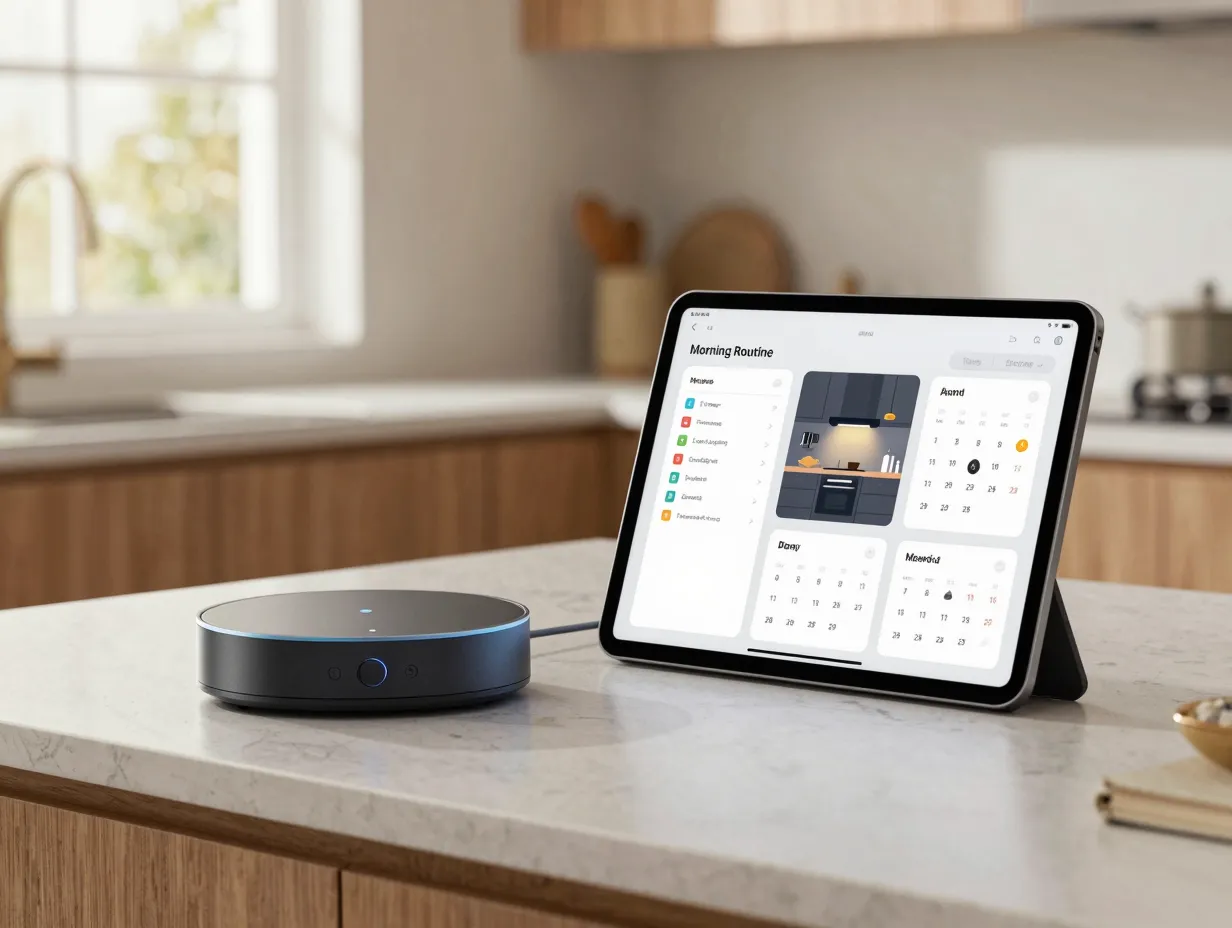
The first and most foundational upgrade is replacing reactive voice assistants with proactive AI systems that manage the flow of daily life.
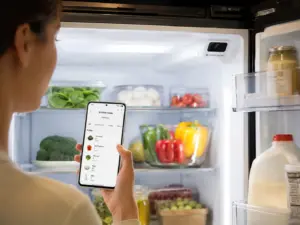
Older smart assistants waited to be asked. The new generation anticipates. AI-driven home hubs in 2026 can coordinate grocery reminders, adjust lighting based on time of day and household activity, and synchronize routines across multiple family members without requiring manual input for each action [4]. Samsung’s EdgeAware AI Home approach goes further, using audio analysis to detect events, a boiling kettle, a smoke alarm, a baby crying, and triggering appropriate responses automatically [1].
What to look for when choosing an AI home hub:
- On-device processing capability to reduce latency and protect privacy
- Compatibility with Matter-certified devices for broad interoperability
- Routine learning that adapts to actual behavior rather than fixed schedules
- Integration with energy management and security subsystems
Google Home’s Gemini integration and SmartThings’ enhanced routine engine are two of the most capable platforms available in 2026 [4]. Both support Matter, which means they can communicate with devices from competing brands without requiring separate apps or bridges.
“The shift from command-response to proactive routine management is the single biggest leap in consumer home automation since the smartphone became the remote control.”
2. Replace Motion Sensors With mmWave Presence Detection
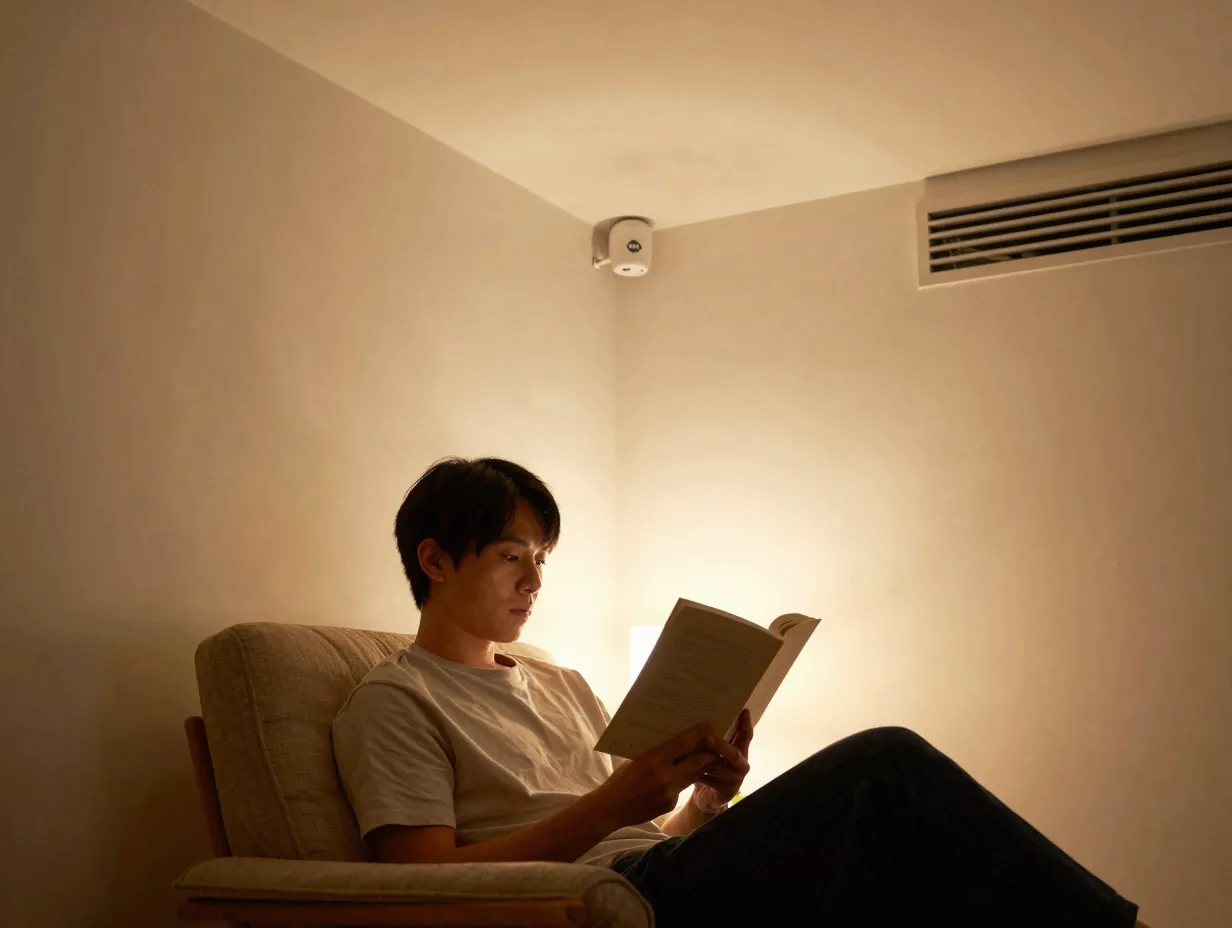
One of the most talked-about trends at CES 2026 was what industry observers called “the death of the motion sensor” [1]. Traditional passive infrared (PIR) sensors have a fundamental flaw: they only detect movement. A person sitting still reading a book, working at a desk, or sleeping is effectively invisible to them. Lights turn off. HVAC systems assume the room is empty. The automation fails at the exact moment it should be most useful.
mmWave radar sensors solve this problem. They emit millimeter-wave radio signals that can detect micro-movements, breathing, a slight shift in posture, even a heartbeat, at ranges up to several meters. The result is occupancy detection that is always accurate, regardless of whether the occupant is moving.
Comparison: PIR Motion Sensor vs. mmWave Presence Sensor
| Feature | PIR Motion Sensor | mmWave Presence Sensor |
|---|---|---|
| Detects stillness | No | Yes |
| False-off events | Common | Rare |
| HVAC integration accuracy | Moderate | High |
| Privacy (no camera) | Yes | Yes |
| Cost | Low | Moderate to high |
For lighting automation, HVAC zoning, and security systems, upgrading to mmWave presence sensors is one of the highest-impact changes available in 2026. Devices using this technology are now appearing across multiple price points and are increasingly compatible with Matter-based platforms [1].
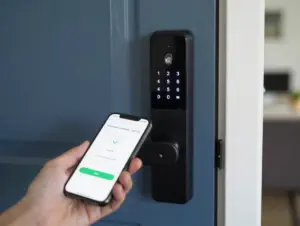
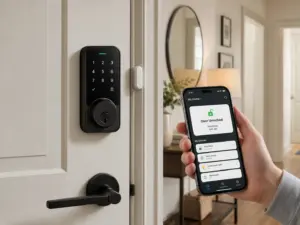
3. Upgrade Entry Points With UWB Smart Locks and the Aliro Standard
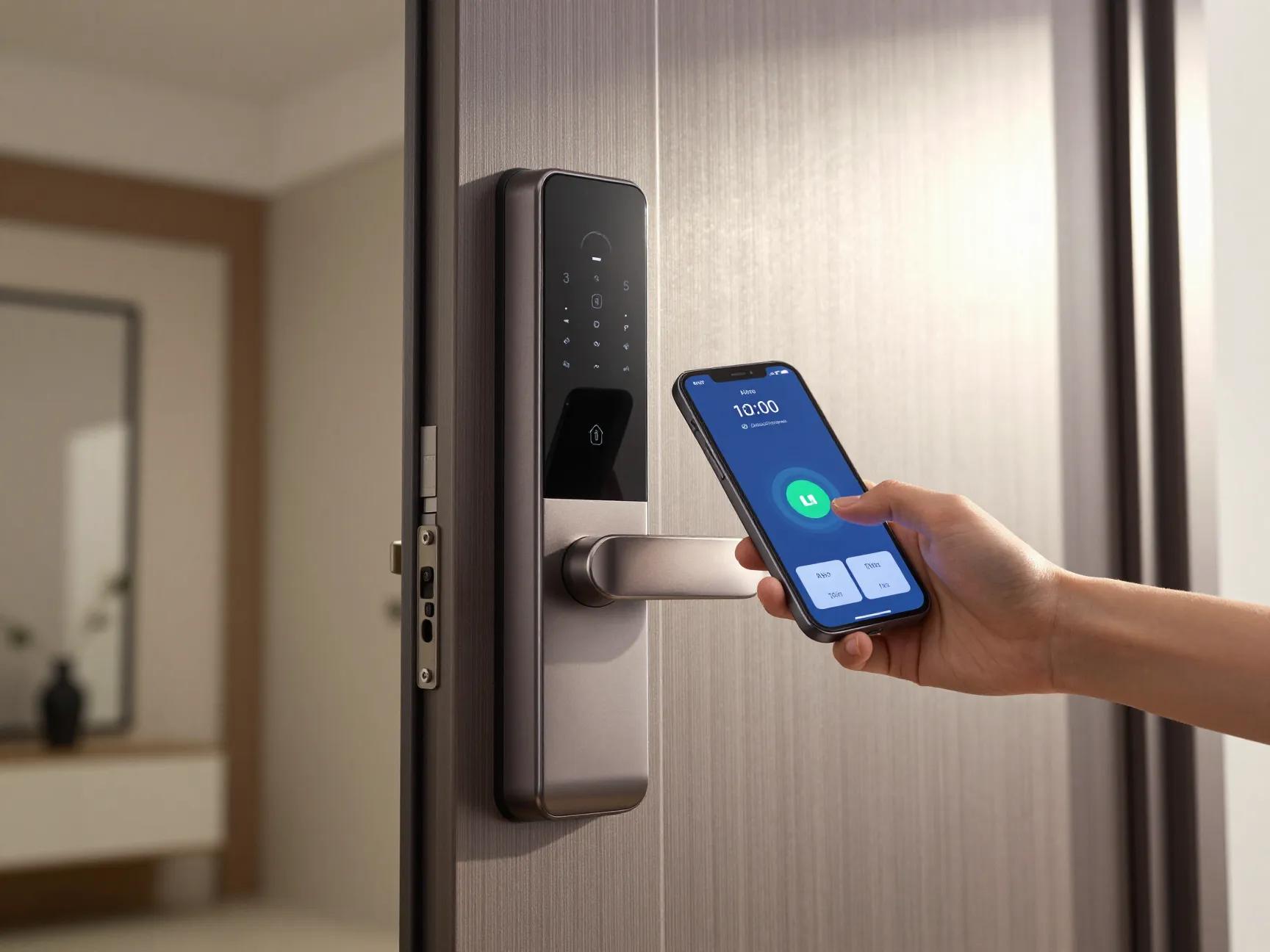
Smart locks have been available for years, but the experience of using them has often been frustrating, Bluetooth delays, unreliable geofencing, and incompatibility between brands. Two developments in 2026 are changing that picture significantly.
Ultra-wideband (UWB) technology provides centimeter-level location precision. A UWB-enabled smart lock can detect that a specific person’s phone is approaching the front door, not just nearby, but specifically within arm’s reach, and unlock automatically before they reach for the handle. CES 2026 coverage identified UWB smart locks as one of the standout access control trends of the year [1][2].
The Aliro digital key standard, developed under the Connectivity Standards Alliance (the same body behind Matter), creates a universal framework for digital keys that works across different lock brands and smartphone platforms. This means a key shared with a family member, a house cleaner, or a short-term rental guest does not depend on both parties using the same ecosystem.
Practical setup steps for a UWB smart lock:
- Confirm that the lock supports UWB and is Aliro-compatible.
- Pair the lock with a Matter-compatible hub for remote management.
- Set up proximity zones, for example, unlock at 1 meter, lock when 10 meters away.
- Create time-limited digital keys for guests or service providers.
- Enable audit logs so every entry and exit is recorded.
The combination of UWB precision and Aliro interoperability makes hands-free, keyless entry genuinely reliable for the first time [2].
4. Build a Matter and Thread Network as the Foundation for Everything Else
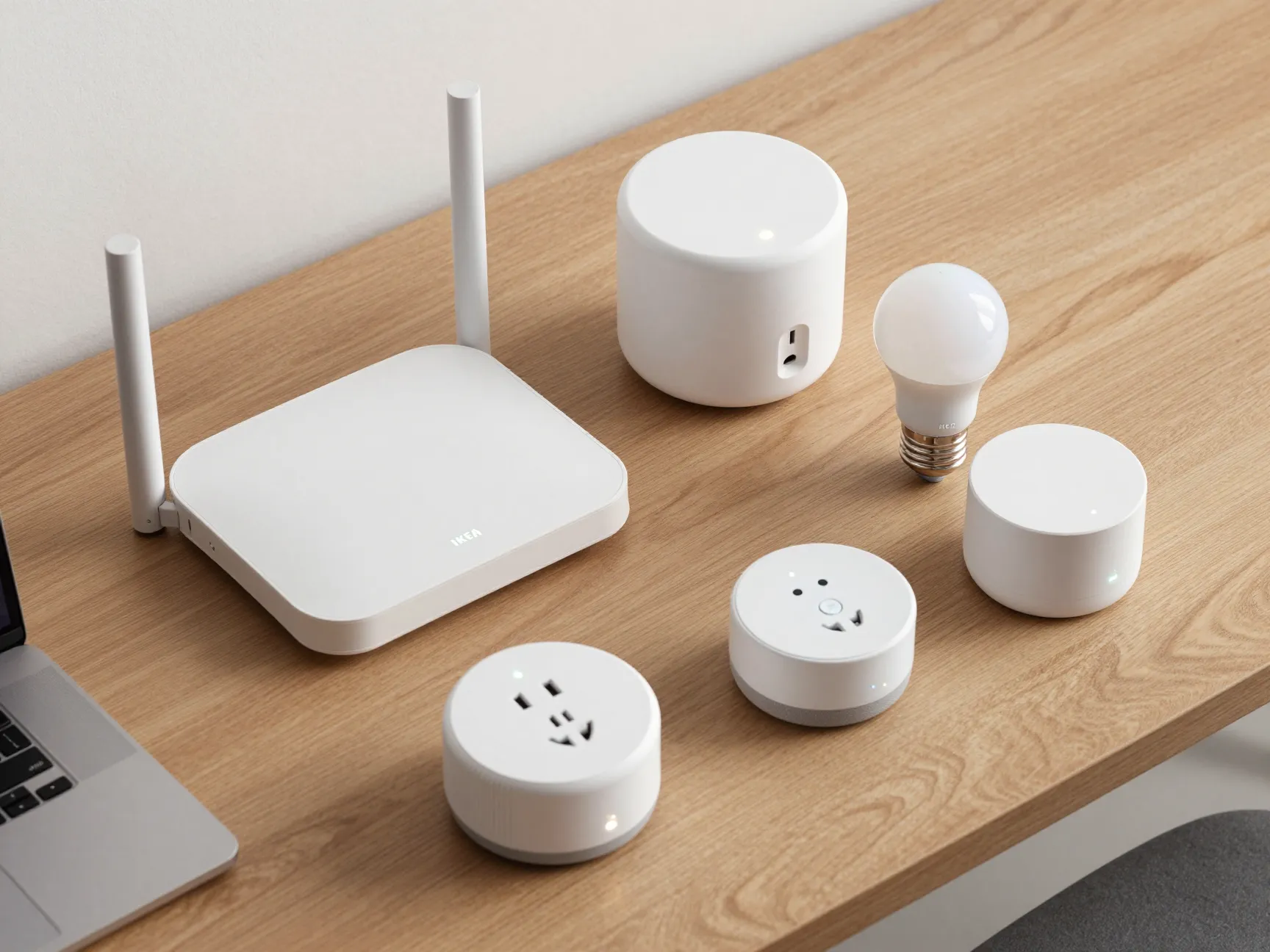
No list of 7 smart house ideas that harness the latest home automation technology would be complete without addressing the infrastructure layer. The Matter protocol and the Thread networking standard are the two most important behind-the-scenes developments in home automation, and understanding them is essential before investing in new devices.
Matter is an application-layer standard that allows smart home devices from different manufacturers to communicate with each other and with any major platform, Apple Home, Google Home, Amazon Alexa, Samsung SmartThings, without requiring brand-specific bridges or hubs [3]. A Matter-certified light switch from one brand will work with a hub from a competing brand out of the box. IKEA, among many others, has committed to Matter compatibility across its smart home range [3].
Thread is the networking protocol that runs underneath Matter for low-power devices. It creates a self-healing mesh network where every compatible device acts as a router, extending coverage and eliminating single points of failure. Samsung SmartThings’ 2026 updates include Thread network unification, allowing border routers from different brands to join a single shared mesh [4].
Why this matters for homeowners:
- Devices from different brands can be controlled from a single app.
- Adding new devices does not require replacing existing infrastructure.
- The mesh network becomes more robust as more devices are added.
- Future-proofing is significantly improved compared to proprietary ecosystems.
Before purchasing any new smart home device in 2026, checking for Matter certification is the single most important due-diligence step a homeowner can take [3][4].
5. Install a Local AI Security Hub for Privacy-First Monitoring
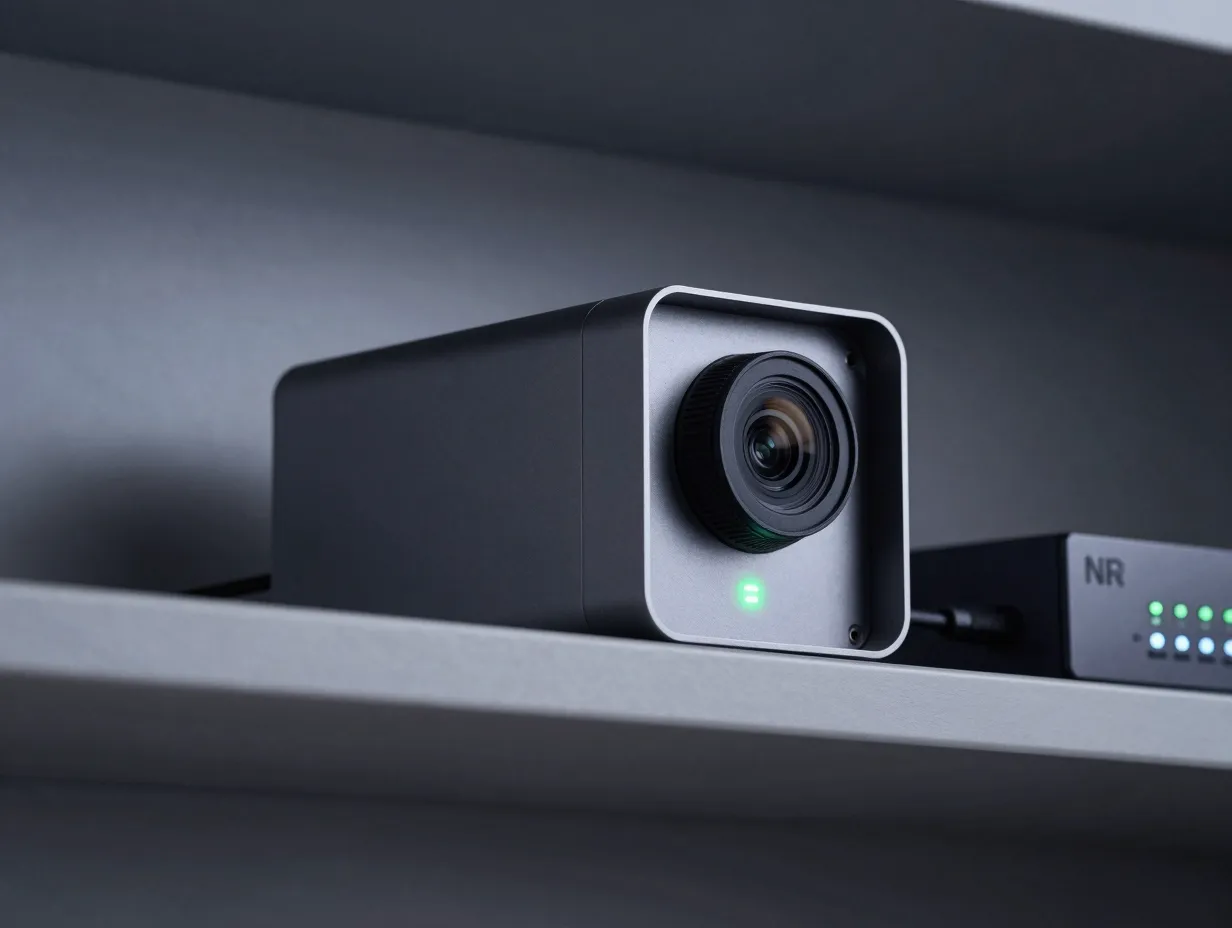
Cloud-based security cameras have a well-documented privacy problem. Video footage is transmitted to remote servers, processed by third-party AI systems, and stored in data centers that may be subject to breaches, subpoenas, or policy changes. A growing segment of the market is responding with a different approach: local AI security hubs that process everything on-site.
CES 2026 trend coverage described this category as “private security guard” style devices, compact camera boxes that run their own AI models locally, detecting faces, vehicles, and unusual activity without sending footage off-site [1]. The tradeoff is that cloud backup and remote access features may be more limited, but for homeowners who prioritize data ownership, the benefits are significant.
Key features to evaluate in a local AI security hub:
- On-device AI inference, all detection happens on the hardware itself
- Local storage, NVR or NAS integration rather than cloud subscription
- Matter compatibility, so the hub can trigger other smart home devices on detection events
- End-to-end encryption, for any remote viewing sessions
- No mandatory cloud subscription, the device should function fully without a paid plan
This category is growing quickly and represents one of the clearest examples of how the 7 smart house ideas that harness the latest home automation technology are evolving to address real consumer concerns, not just add features [1].
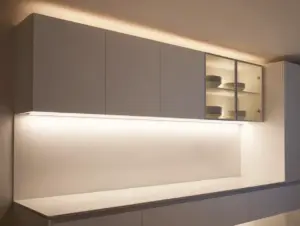
6. Automate Lighting for Mood, Media, and Ambient Response
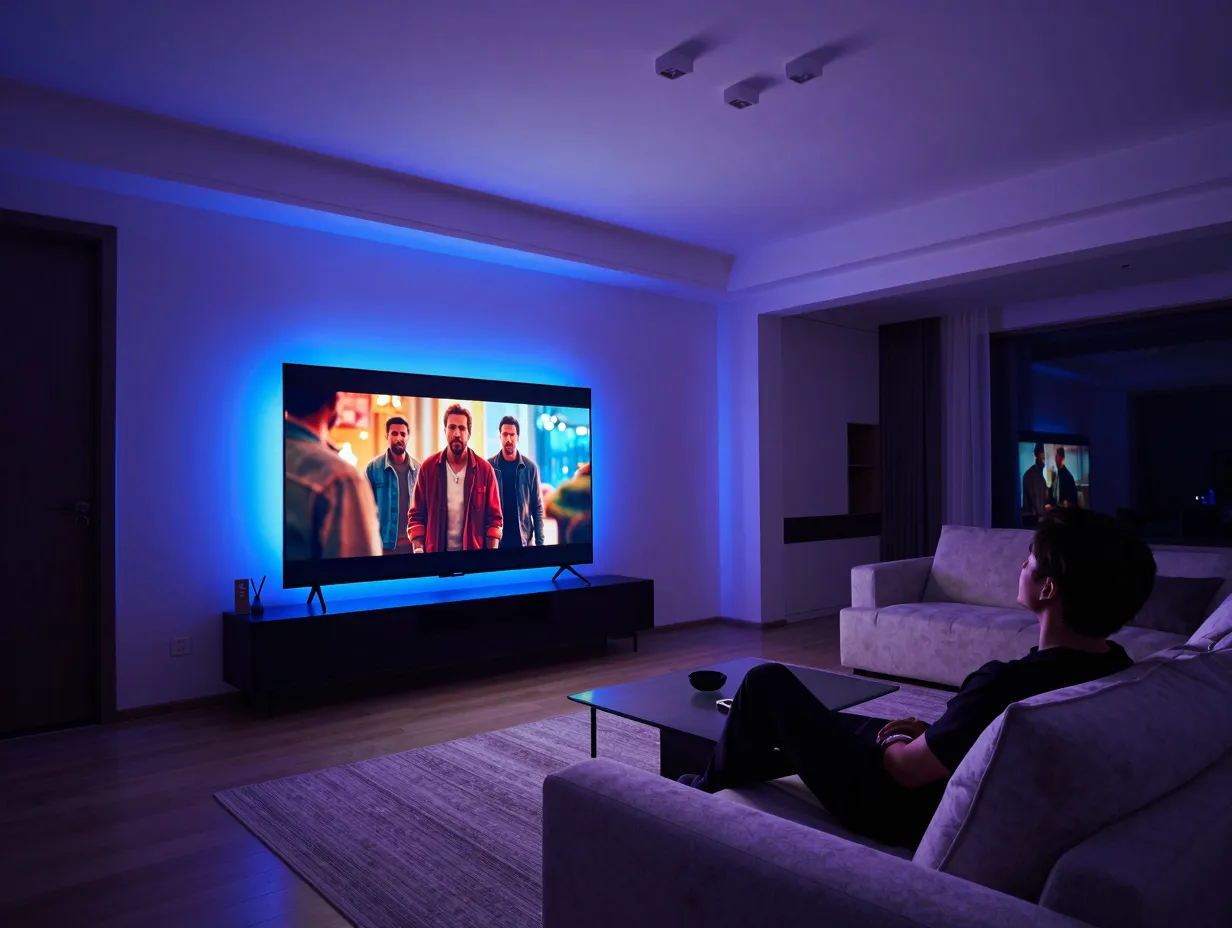
Lighting automation in 2026 has moved well beyond scheduling lights to turn on at sunset. The current generation of smart lighting systems can respond to what is happening in the room in real time, adjusting color temperature and brightness based on the time of day, the content playing on a television, the presence of specific people, or even the ambient weather outside.
CES 2026 roundups highlighted immersion lighting and media-reactive systems as mainstream trends rather than niche enthusiast products [1]. Systems that sync with streaming content to extend on-screen colors into the room are now available at consumer price points, and AI-driven lighting assistants can suggest or automatically apply scene presets based on detected activity.
Practical lighting automation tiers:
- Entry level: Scheduled scenes tied to sunrise, sunset, and bedtime routines, controlled via a Matter-compatible hub.
- Mid level: Presence-sensor integration so lights respond to occupancy rather than schedules, with color temperature adjustments for circadian health.
- Advanced level: Media-reactive lighting that syncs with television or music, combined with AI scene suggestions based on household activity patterns.
The energy efficiency benefits are also significant. Lights that respond to actual presence rather than fixed timers consume considerably less power, particularly in homes with variable daily schedules. Pairing smart lighting with mmWave presence sensors (see idea 2) creates a system that is both more comfortable and more economical.
7. Combine Automated Shading, Robot Cleaners, and Energy Routines Into a Unified System
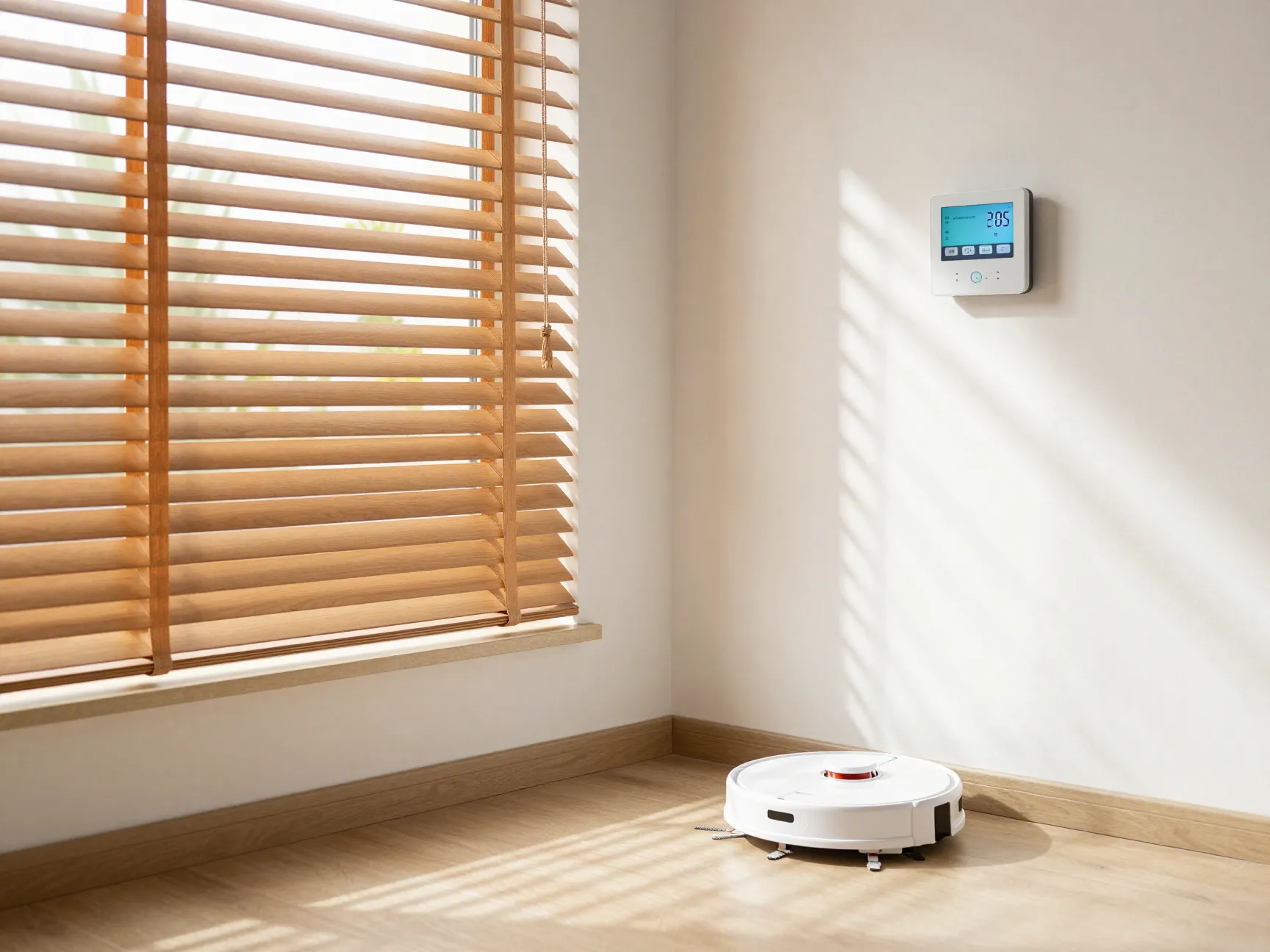
The final idea on this list is less about a single device and more about integration, the point at which individual smart home upgrades become a coherent, self-managing system.
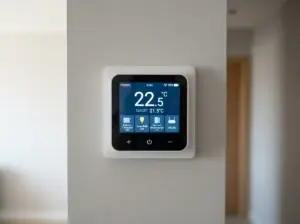
Automated shading is one of the most practical upgrades available. Motorized blinds and smart shades can be programmed to respond to sunlight intensity, time of day, indoor temperature, and weather forecasts. CES 2026 device coverage specifically cited automated wood blinds and smart shades as notable home automation products [2][4]. When integrated with a smart thermostat, automated shades can reduce solar heat gain in summer and maximize passive warming in winter, cutting HVAC energy use without any manual intervention.
Robot cleaners, including both floor vacuums and autonomous lawn mowers, have reached a level of reliability and affordability that makes them genuinely practical for most households. CES 2026 trend coverage noted robot mowers as “everywhere,” with smarter navigation and wire-free operation becoming standard [1]. Scheduling these devices to run during off-peak energy hours, or triggering them when the house is empty (detected via presence sensors), is a straightforward integration that delivers real convenience.
Energy management routines tie everything together. A well-configured smart home in 2026 can automatically:
- Close shades when direct sunlight is detected to reduce cooling load
- Shift robot cleaner and dishwasher cycles to off-peak electricity hours
- Pre-condition rooms before occupants arrive based on calendar data
- Activate storm-ready routines when severe weather is forecast, securing shades and adjusting HVAC preemptively [4]
The energy-management layer is where the return on investment for a smart home becomes most visible. Homes that combine smart shading, presence-based HVAC, and scheduled high-draw appliances consistently reduce energy consumption compared to homes where each device operates independently [4][9].
How to Prioritize These Smart Home Upgrades
Not every homeowner needs to implement all seven ideas at once. A phased approach based on budget, existing infrastructure, and personal priorities is more practical and more likely to succeed.
Recommended implementation sequence:
- Establish the Matter and Thread network foundation first (Idea 4). This ensures every subsequent purchase is interoperable.
- Deploy mmWave presence sensors in the most-used rooms (Idea 2). This improves every other automation that depends on occupancy.
- Upgrade to a UWB smart lock (Idea 3). This delivers immediate, tangible daily convenience.
- Add an AI home assistant hub (Idea 1). Once presence sensing and entry are covered, the hub can begin learning and managing routines.
- Automate lighting (Idea 6). With presence sensing already in place, lighting automation requires minimal additional hardware.
- Install automated shading and connect energy routines (Idea 7). This is where energy savings become measurable.
- Add a local AI security hub (Idea 5) once the network and automation layers are stable.
This sequence builds each layer on top of the previous one, reducing the risk of compatibility issues and making the system easier to troubleshoot at each stage.
Conclusion
The 7 smart house ideas that harness the latest home automation technology presented here represent a meaningful shift from novelty to necessity. AI-driven assistants, mmWave presence detection, UWB access control, Matter-based interoperability, local security processing, responsive lighting, and integrated energy management are not futuristic concepts, they are available, increasingly affordable, and demonstrably effective in 2026.
Actionable next steps for homeowners ready to move forward:
- Audit existing devices and identify which are Matter-compatible and which are not.
- Choose a primary hub platform (Google Home with Gemini, Samsung SmartThings, or Apple Home) and commit to it as the control layer.
- Replace the oldest, least reliable device in the home first, typically a PIR motion sensor or an outdated smart lock, with a 2026-standard alternative.
- Set a six-month review point to assess energy bills and usage patterns after each upgrade.
- Consult manufacturer compatibility lists before any purchase to confirm Matter and Thread support.
The homes that will deliver the greatest comfort, security, and efficiency over the next decade are not the ones with the most devices. They are the ones where every device works together as a single, intelligent system.
References
[1] Watch – https://www.youtube.com/watch?v=XsC_NnTBDb0
[2] Watch – https://www.youtube.com/watch?v=uaVQGpL7v7c
[3] Ces 2026 How Ai Will Power The Next Wave Of Smart Home Tech – https://www.nar.realtor/news/styled-staged-sold/ces-2026-how-ai-will-power-the-next-wave-of-smart-home-tech
[4] 7 Powerful Home Automation Market Trends Shaping Smart Living In 2026 – https://www.nextmsc.com/blogs/7-powerful-home-automation-market-trends-shaping-smart-living-in-2026
[9] Smart Home Ideas – https://race.com/resources/articles/post/smart-home-ideas