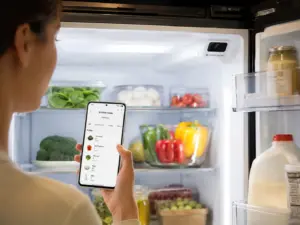
6 Home Automation Ideas to Simplify Your Daily Routine
By 2026, the average connected home contains more than 22 smart devices, yet most homeowners still manually adjust their thermostat, fumble for light switches, and worry about energy bills that never seem to shrink. The gap between owning smart devices and living in a truly smart home is wider than most people realize. The 6 Home Automation Ideas to Simplify Your Daily Routine explored in this guide close that gap with practical, proven strategies that work together rather than in isolation. Whether starting from scratch or upgrading an existing setup, these ideas are designed to reduce daily friction, cut costs, and give back the one resource no technology can manufacture: time.
Disclosure: This post contains affiliate links. As an Amazon Associate, we earn from qualifying purchases, and at no extra cost to you.
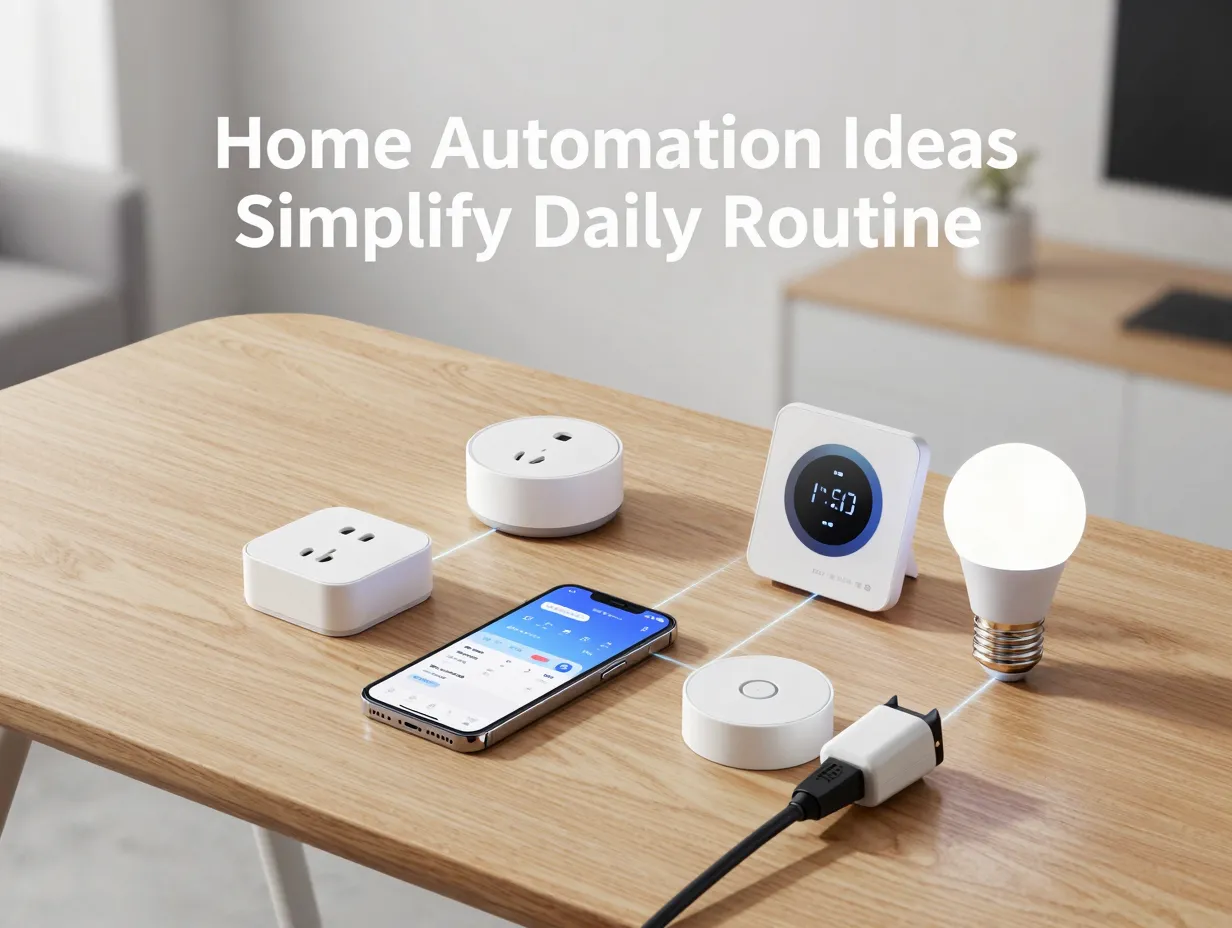
Key Takeaways
- The Matter protocol now allows devices from different brands to work together in a single, unified routine, eliminating compatibility headaches.
- Local-first AI hubs keep automations running even during internet outages, making reliability a core feature rather than an afterthought.
- Energy orchestration automations can reduce household energy bills by roughly 20 to 35 percent without sacrificing comfort.
- Predictive and presence-based automations create “invisible” routines that adjust the home environment without any manual input.
- Privacy-first design is no longer optional, secure, local automation models protect household data while maintaining full functionality.
Why Home Automation in 2026 Is Different From What Came Before
For years, smart home technology meant juggling multiple apps, dealing with devices that refused to communicate, and spending more time troubleshooting than relaxing. That era is ending. The emergence of the Matter open-source connectivity standard has fundamentally changed how devices from competing brands interact [7]. Add to that the rise of on-device AI processing and predictive automation engines, and the result is a home that genuinely learns and adapts [3].
The market reflects this shift. Smart home adoption is accelerating globally, with interoperability, energy management, and AI-driven personalization identified as the three dominant forces shaping residential automation in 2026 [4]. Consumers are no longer satisfied with remote-controlled lights. They want routines that anticipate needs, protect privacy, and deliver measurable savings.
The 6 Home Automation Ideas to Simplify Your Daily Routine outlined below are built around these exact priorities. Each idea is grounded in current technology, real-world energy data, and the latest protocol standards, not theoretical future features.
The 6 Home Automation Ideas to Simplify Your Daily Routine
1. Unify Every Device With a Matter-Based Ecosystem Scene
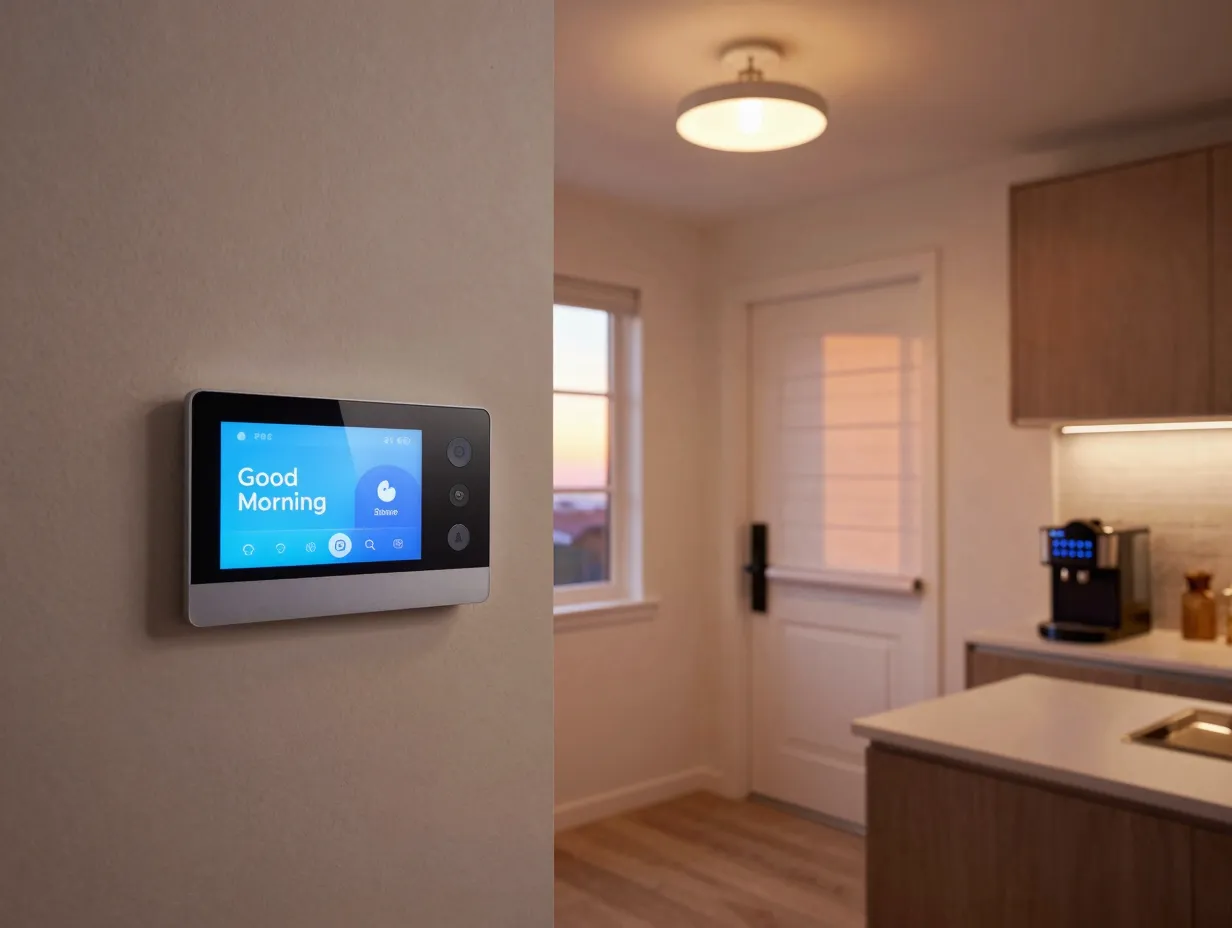
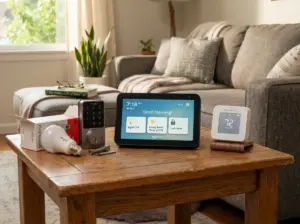
The single most impactful change a homeowner can make is consolidating all smart devices under one unified protocol. Matter, the open connectivity standard backed by Apple, Google, Amazon, and hundreds of device manufacturers, allows lights, locks, thermostats, sensors, and appliances from entirely different brands to respond to a single command [7].
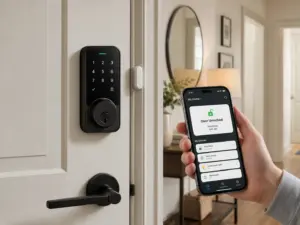
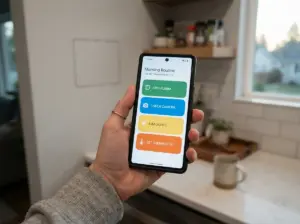
The practical application is the unified scene: one trigger, a voice command, a button press, or a scheduled time, that simultaneously adjusts lighting, temperature, door locks, window shades, and entertainment systems. A “Good Morning” scene might raise the thermostat to a comfortable temperature, gradually brighten bedroom lights to simulate sunrise, start the coffee maker, and unlock the front door for a dog walker, all without a single manual interaction [1].
Why this matters:
- Eliminates the need to open multiple apps for different device brands
- Reduces the cognitive load of managing a multi-device household
- Creates consistent, repeatable routines that run reliably every day
Matter’s latest versions continue expanding the range of supported device categories, meaning the ecosystem a homeowner builds today will accommodate new devices added in future years [9]. Cross-brand harmony is no longer a luxury feature, it is the foundation of any well-designed automation routine [5].
“Unified ecosystems are the difference between a collection of gadgets and a home that actually works for you.”
2. Simplify Setup and Troubleshooting With the Matter Service API
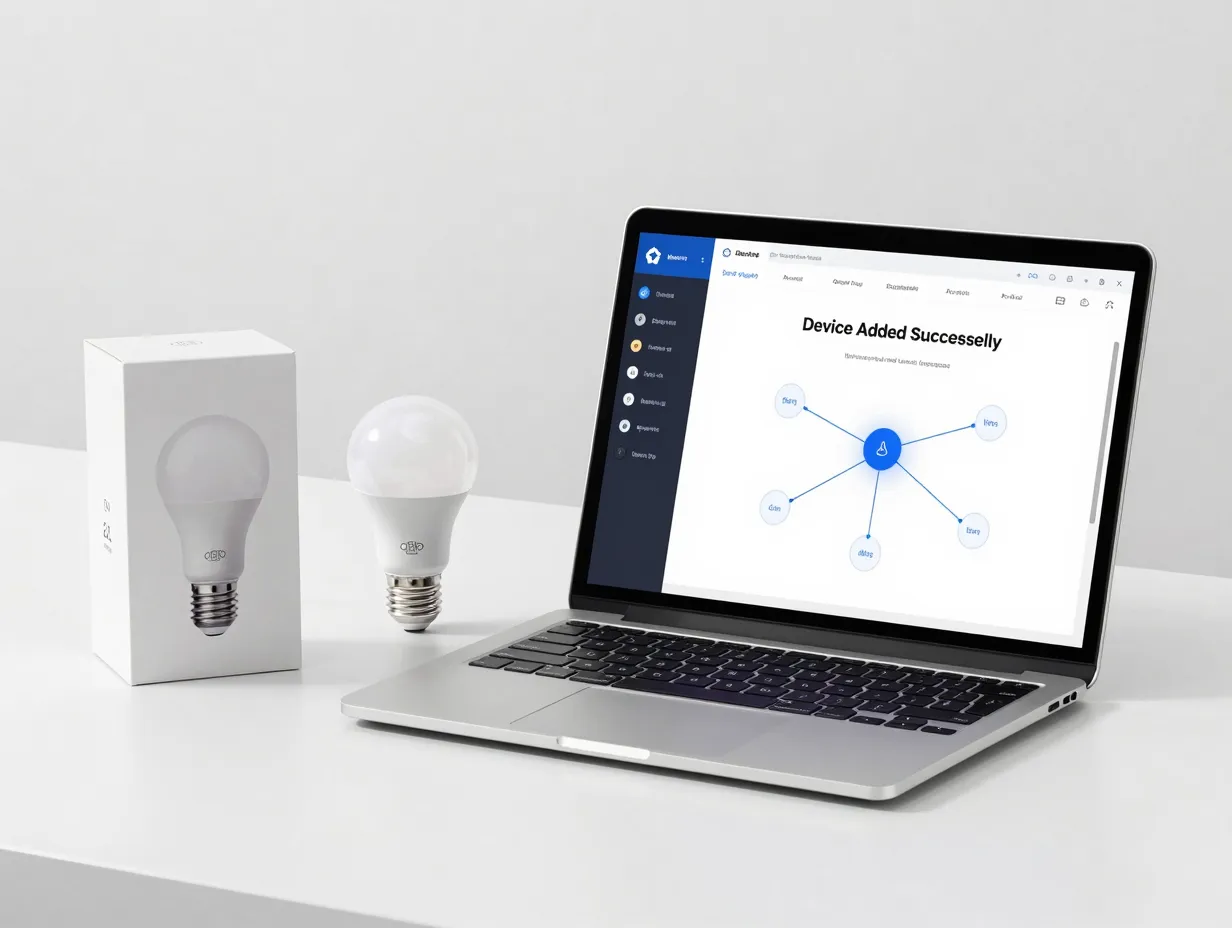
Even with Matter handling device communication, setup and ongoing maintenance have historically been a pain point. The Matter Service API, introduced by the Broadband Forum, addresses this directly by creating a standardized service layer that sits between smart home platforms and the devices themselves [10].
In practical terms, this means that when a new device is added to the home network, the Matter Service API can automatically identify it, configure it correctly, and integrate it into existing routines without manual intervention. When something goes wrong, a device drops off the network, a routine fails silently, the service layer provides diagnostic information that makes troubleshooting straightforward rather than a process of elimination [2].
Before and after the Matter Service API:
| Task | Without Service API | With Service API |
|---|---|---|
| Adding a new device | Manual configuration per app | Automatic detection and setup |
| Diagnosing a failed routine | Trial-and-error troubleshooting | Structured diagnostic data |
| Cross-brand compatibility | Frequent workarounds needed | Standardized service layer handles it |
| Firmware updates | Device-by-device manual checks | Centralized update management |
For households with ten or more smart devices, this service layer is not a minor convenience. It is the difference between a system that requires regular maintenance and one that manages itself [10]. The Broadband Forum’s initiative signals a clear industry direction: smart home infrastructure should be as invisible and reliable as the electrical grid.
3. Go Local-First With an AI Hub for Unbreakable Routines
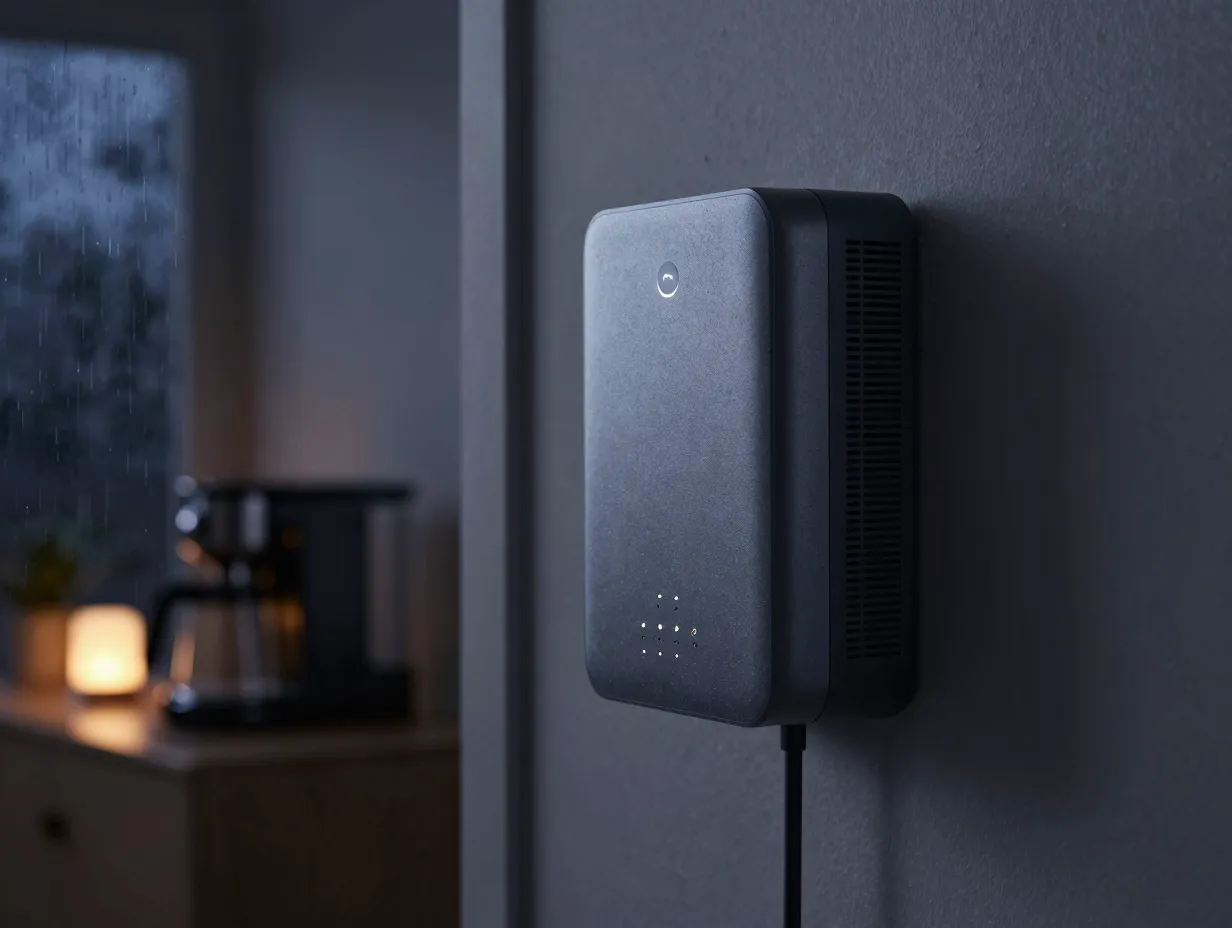
Cloud-dependent smart homes have a fundamental vulnerability: when the internet goes down, so do the automations. A local-first AI hub solves this problem by processing all automation logic on a device inside the home rather than on a remote server [3].
Modern local AI hubs, such as those running open-source platforms or proprietary edge-AI systems, can handle complex conditional logic, learn household patterns over time, and execute routines in milliseconds rather than the round-trip delay of a cloud request. The result is automation that feels instantaneous and remains fully functional during outages, ISP maintenance windows, or cloud service disruptions [6].
Core advantages of a local-first approach:
- Routines execute in under 100 milliseconds, making automations feel native to the home
- No dependency on third-party server uptime or subscription continuity
- Sensitive household data, occupancy patterns, daily schedules, behavioral habits, never leaves the home network
- Combining local processing with Matter creates what experts describe as a “supercharged” routine environment [9]
The AI component adds a layer of intelligence that static schedules cannot match. A local AI hub can detect that the household woke up 45 minutes earlier than usual on a Saturday and adjust the morning routine accordingly, without any manual reprogramming. This adaptive capability is what separates genuine home automation from simple scheduled timers [3].
4. Automate Energy Orchestration to Cut Bills by 20 to 35 Percent
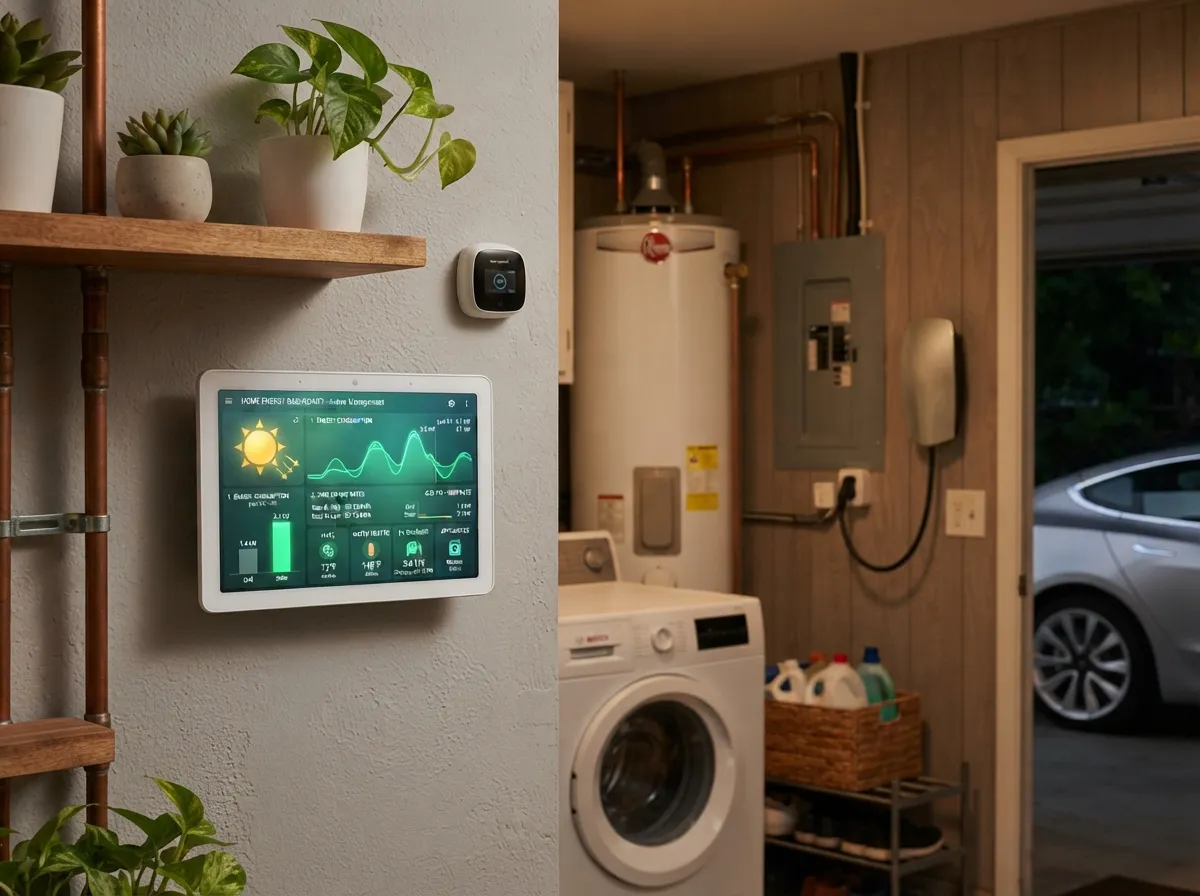
Energy management is one of the most financially rewarding applications of home automation, and it is also one of the most underutilized. Energy orchestration refers to the coordinated, automated management of all energy-consuming systems in the home, HVAC, water heating, EV charging, appliances, and lighting, to minimize consumption and cost without compromising comfort [8].
The mechanism works by integrating real-time data from three sources: utility rate schedules (including time-of-use pricing), weather forecasts, and occupancy sensors. The automation system uses this data to make continuous micro-adjustments: pre-cooling the home before peak rate hours, delaying dishwasher cycles to off-peak windows, and charging an electric vehicle overnight when electricity is cheapest [4].
Estimated savings by system:
- Smart thermostat with occupancy sensing: 10 to 15 percent reduction in HVAC costs
- Automated water heater scheduling: 8 to 12 percent reduction in water heating costs
- EV charging shifted to off-peak hours: 30 to 50 percent reduction in EV charging costs
- Combined energy orchestration across all systems: 20 to 35 percent total household energy reduction [4][8]
These are not hypothetical projections. They reflect documented outcomes from households using coordinated energy management systems rather than isolated smart devices. The key distinction is orchestration, devices working together toward a shared energy goal, versus individual devices operating independently [6].
For homeowners with solar panels, energy orchestration adds another dimension: maximizing self-consumption by running high-draw appliances during peak solar generation hours and storing excess energy for evening use [1].
5. Let Predictive Presence-Based Automation Handle Comfort Invisibly
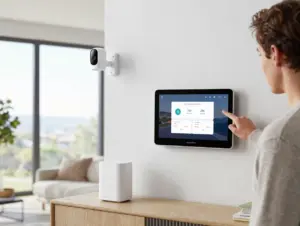
The most sophisticated of the 6 Home Automation Ideas to Simplify Your Daily Routine is also the most seamless: automation that the household never has to consciously interact with. Presence-based and predictive automation uses ambient sensors, motion detectors, door/window contacts, millimeter-wave radar, and even Wi-Fi signal analysis, to infer where people are in the home and what they are likely to need next [5].
Unlike geofencing (which only detects when someone enters or leaves the property), room-level presence sensing creates a continuous, real-time map of household activity. The automation system uses this map to:
- Adjust lighting and temperature room-by-room as occupants move through the home
- Turn off devices in unoccupied rooms automatically
- Prepare the home for anticipated activities based on historical patterns (e.g., dimming lights and lowering the thermostat at the household’s typical bedtime)
- Trigger security monitoring when presence is detected in unexpected areas
Predictive automation takes this further by incorporating machine learning. After observing household patterns for several weeks, the system begins anticipating needs rather than simply reacting to them [3]. The thermostat adjusts before the homeowner feels cold. The coffee maker starts before the first person walks into the kitchen. The evening lighting scene activates as the household’s typical dinner preparation window approaches.
This “invisible” quality is the hallmark of mature home automation. The goal is not a home that responds to commands but one that eliminates the need for commands entirely [5].
“The best automation is the kind you never notice, because everything is already exactly the way you want it.”
6. Design Every Routine Around a Privacy-First, Secure Automation Model
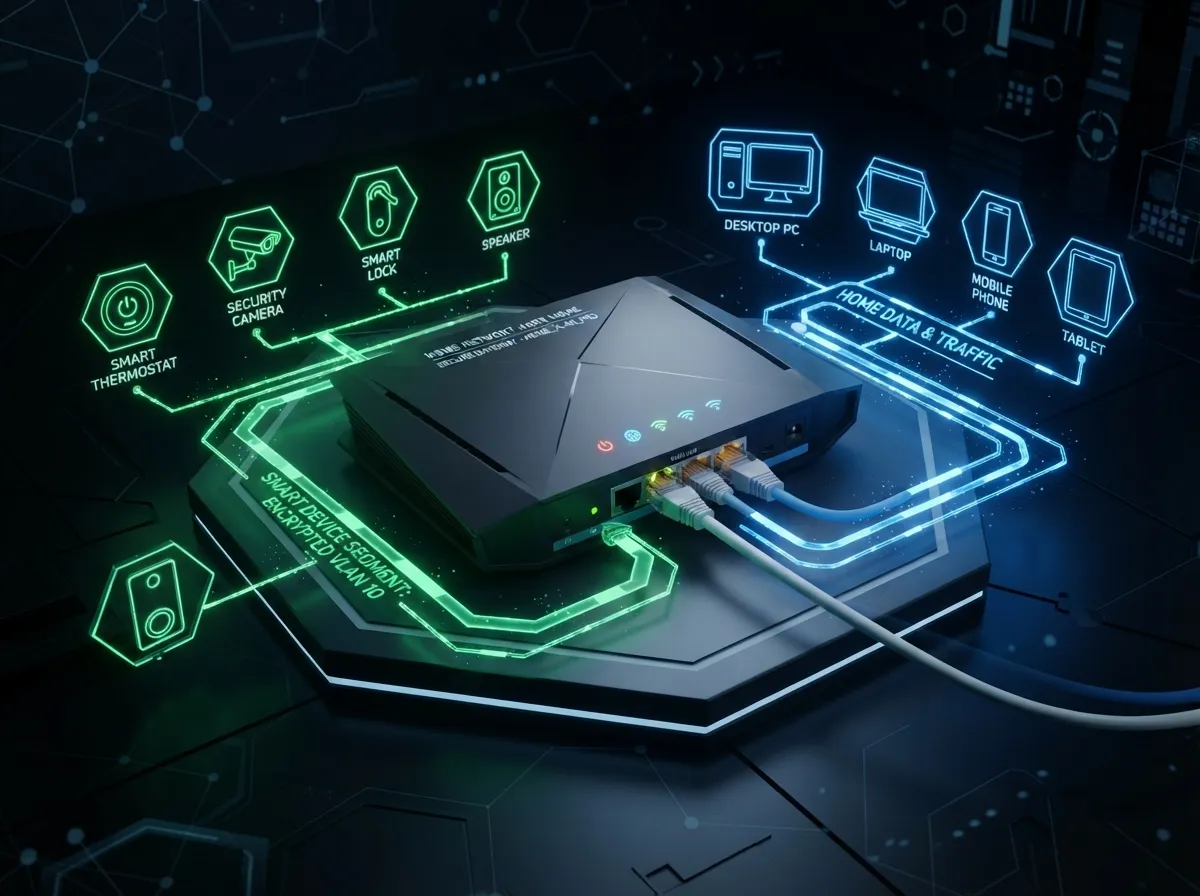
Convenience and privacy are not opposing forces in home automation, but achieving both requires deliberate design choices. A privacy-first automation model means that sensitive data about household occupancy, daily schedules, and behavioral patterns is processed and stored locally, with minimal or no transmission to external servers [6].
This approach aligns directly with the local-first AI hub strategy described in idea three, but it extends beyond hardware to encompass the entire automation architecture:
Privacy-first design principles:
- Local data processing, Occupancy data, voice commands (where applicable), and routine triggers are processed on-device rather than in the cloud
- Minimal data retention, The system retains only the pattern data necessary for predictive automation, with automatic purging of raw sensor logs
- Encrypted device communication, Matter’s built-in security model uses certificate-based authentication and encrypted communication between all devices on the network [7]
- Network segmentation, Smart home devices operate on a dedicated VLAN or network segment, isolated from computers and phones that handle sensitive personal or financial data
- Regular firmware updates, The Matter Service API’s centralized update management ensures security patches are applied promptly across all devices [10]
Security vulnerabilities in smart home systems are not theoretical. Poorly secured devices have been used as entry points for network intrusion. A privacy-first architecture reduces this attack surface significantly while also ensuring that household behavioral data is not monetized by third-party platform operators [9].
For families with children, elderly residents, or individuals with medical conditions, the privacy dimension of home automation carries additional weight. Knowing that occupancy patterns and daily routines remain within the home network, rather than residing on a corporate server, is a meaningful quality-of-life consideration [8].
How to Combine All 6 Ideas Into One Cohesive System
The true power of the 6 Home Automation Ideas to Simplify Your Daily Routine emerges when they are implemented as an integrated system rather than independent features. Each idea reinforces the others:
- A Matter-based unified ecosystem (Idea 1) provides the device foundation
- The Matter Service API (Idea 2) simplifies ongoing management of that ecosystem
- A local-first AI hub (Idea 3) provides the processing intelligence and resilience
- Energy orchestration (Idea 4) runs on top of the local hub, using real-time data from Matter-connected sensors
- Presence-based predictive automation (Idea 5) feeds occupancy data into both energy orchestration and comfort routines
- Privacy-first design (Idea 6) governs the architecture of the entire system, ensuring all of the above operates securely
Recommended implementation sequence:
- Start with a Matter-compatible hub and migrate or replace incompatible devices
- Enable the Matter Service API on the chosen platform if supported
- Add room-level presence sensors throughout the home
- Configure energy orchestration rules using utility rate data and occupancy inputs
- Allow the local AI system to observe household patterns for two to four weeks before enabling predictive routines
- Audit the network architecture for privacy compliance, segment smart home devices and verify local processing is active
This phased approach prevents the overwhelm that causes many smart home projects to stall. Each phase delivers immediate, tangible benefits while building toward the fully integrated system [1][9].
Common Mistakes to Avoid When Setting Up Home Automation
Even well-intentioned automation projects can create new friction if certain pitfalls are not anticipated.
Mistake 1: Over-automating before understanding household patterns
Automations built on assumptions rather than observed behavior often conflict with actual routines. Allow sensors and the AI hub to collect data before locking in predictive rules.
Mistake 2: Ignoring manual override design
Every automation should have a simple, accessible override. Household members who cannot easily override an automation will resent the system, regardless of how well it works most of the time.
Mistake 3: Mixing incompatible ecosystems without a bridge
Devices that predate Matter may require a bridge device or hub to integrate. Attempting to force incompatible devices into a unified scene without proper bridging creates unreliable routines [2].
Mistake 4: Neglecting network infrastructure
Smart home automations are only as reliable as the underlying Wi-Fi or Thread mesh network. Investing in a strong, well-segmented home network is a prerequisite for reliable automation.
Mistake 5: Treating security as an afterthought
Default passwords, unpatched firmware, and unsegmented networks are the three most common security failures in smart home installations. The privacy-first model described in Idea 6 addresses all three [9].
Conclusion
The 6 Home Automation Ideas to Simplify Your Daily Routine, unified Matter ecosystems, Matter Service API management, local-first AI hubs, energy orchestration, predictive presence-based automation, and privacy-first design, represent a complete framework for transforming a collection of smart devices into a genuinely intelligent home.
The technology to implement all six ideas exists today, is available at accessible price points, and is supported by a growing ecosystem of compatible devices and platforms. The barrier is not technological; it is the absence of a clear, structured approach.
Actionable next steps:
- Audit current smart devices for Matter compatibility and identify any that require a bridge or replacement
- Research local-first hub platforms (Home Assistant, Apple HomePod with local automation, or dedicated edge-AI hubs) that match the household’s device ecosystem
- Contact the utility provider to obtain time-of-use rate schedule data for energy orchestration configuration
- Install at least two room-level presence sensors in the highest-traffic areas of the home as a starting point for presence-based automation
- Review the home network configuration and create a dedicated VLAN for smart home devices
A home that anticipates needs, reduces energy waste, and protects household privacy is not a future aspiration. With the right framework, it is an achievable reality in 2026.
References
[1] Smart Home Trends 2026 – https://haznos.org/2026/smart-home-trends-2026/
[2] Interface Simplifies Management Matter Powered 090000160 – https://finance.yahoo.com/technology/articles/interface-simplifies-management-matter-powered-090000160.html
[3] 7 Mind Blowing Ai Smart Home Automation Trends For 2026 – https://techfelts.com/7-mind-blowing-ai-smart-home-automation-trends-for-2026/
[4] Smart Home Trends 2026 – https://promwad.com/news/smart-home-trends-2026
[5] Five Smart Home Trends 2026 How Nice Shaping Future Smart Living – https://www.niceforyou.com/en/magazine/five-smart-home-trends-2026-how-nice-shaping-future-smart-living
[6] The Future Of Smart Home Automation Trends To Watch In 2026 – https://holakay.com/the-future-of-smart-home-automation-trends-to-watch-in-2026/
[7] Overview – https://developers.home.google.com/matter/overview
[8] Smart Home Trends 2026 The Future Of Smart Home Tech – https://yalehome.co.uk/news/2026-articles/smart-home-trends-2026-the-future-of-smart-home-tech/
[9] Smart Home Trends For 2026 – https://nerdyhometech.com/guides/smart-home-trends-for-2026/
[10] Broadband Forums Matter Service Api Wants To Simplify Your Smart Home – https://www.forbes.com/sites/paullamkin/2026/08/18/broadband-forums-matter-service-api-wants-to-simplify-your-smart-home/